
Unique stories to inspire everyone to #LOVEYOUREYES

Subash Pokharel

Location:Nepal
Photographer: Team NDEH

Precious moment of vision restoration

Read Story

Ronald Kefa

Organisation: Peek Vision
Location: Kenya

“When I was young, my grandfather developed blindness and eye care services were nowhere to be found. Unfortunately, he died blind. As I grew up and got involved in eye care work, for me, it became a personal mission, to prevent other people from suffering the fate of my grandfather.”

Read Story

Dr Andrew Low

Location: Malaysia
Photographer: @dr.andrewlow

Every day, I witness life-changing moments, but this one stayed with me.
He carried a marker pen everywhere, rewriting his world when his vision faded.
But after cataract surgery, he dropped the marker into the bin and walked out free.
That’s not just vision restored, it’s life restored.
Read Story

Alyssa Callaghan

Organisation: World Council of Optometry
Location: USA

As an employee of WCO and someone who received early intervention from an optometrist at the age of two, I understand the importance of having my child’s eyes tested. Keeping her eyes healthy will set her up for success in her development and her future.

Read Story

Rachel Ghatasheh

Organisation: World Council of Optometry
Location: USA

As someone who has had glasses since the 5th grade, it was easy to take my eyesight for granted. However, my grandmother's lack of eye care reminded me how important it is to advocate for global access to quality eye care so everyone can have the opportunity to see

Read Story

Ginny

Organisation: World Council of Optometry

Location: USA

Eye health is so important as it is one of the key ingredients to having a great quality of life - coming from someone like me who suffered from undiagnosed BVD

Read Story

Yazan Gammoh

Organisation: World Council of Optometry
Location: Jordan
Photographer: Yazan Gammoh

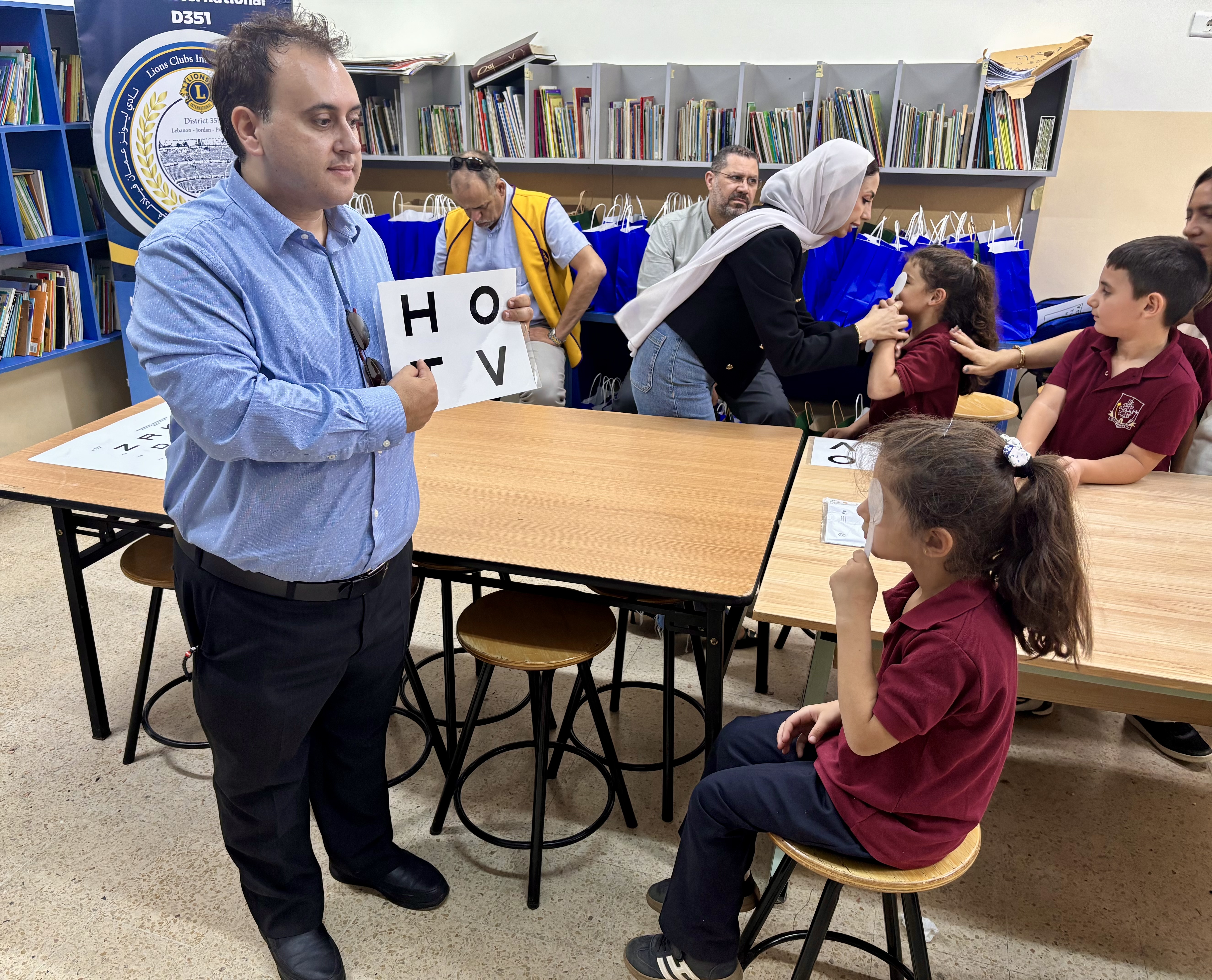
Utilizing research to support school eye health programs

Read Story

Ernest Mwaipopo

Location: Tanzania
Photographer: Cletus Sanga

I was uncertain and very worried about my health, but my child told me about the treatment available at the hospital. When I went and received care, I immediately noticed a big difference — my pain started to ease, and now my life has greatly improved," said one of the patients.

Read Story

Samuel Hendrickson

Location: USA
Photographer:Dr. Christine Capaci

Losing my sight was sudden and devastating, but it didn’t take away my love for life or laughter. I now use comedy to share my story and bring light into dark places. Even in blindness, I’m learning that hope and humor can keep us moving forward.

Read Story

Caitlin Holland

Organisation:Restoring Vision
Location: USA

When my toddler was diagnosed with strabismus, I felt the fear of not knowing what was wrong—and the relief of expert care. Millions lack that access. Joining RestoringVision lets me help restore sight and dignity to those who need it most. Vision shouldn’t be a barrier to thriving.

Read Story

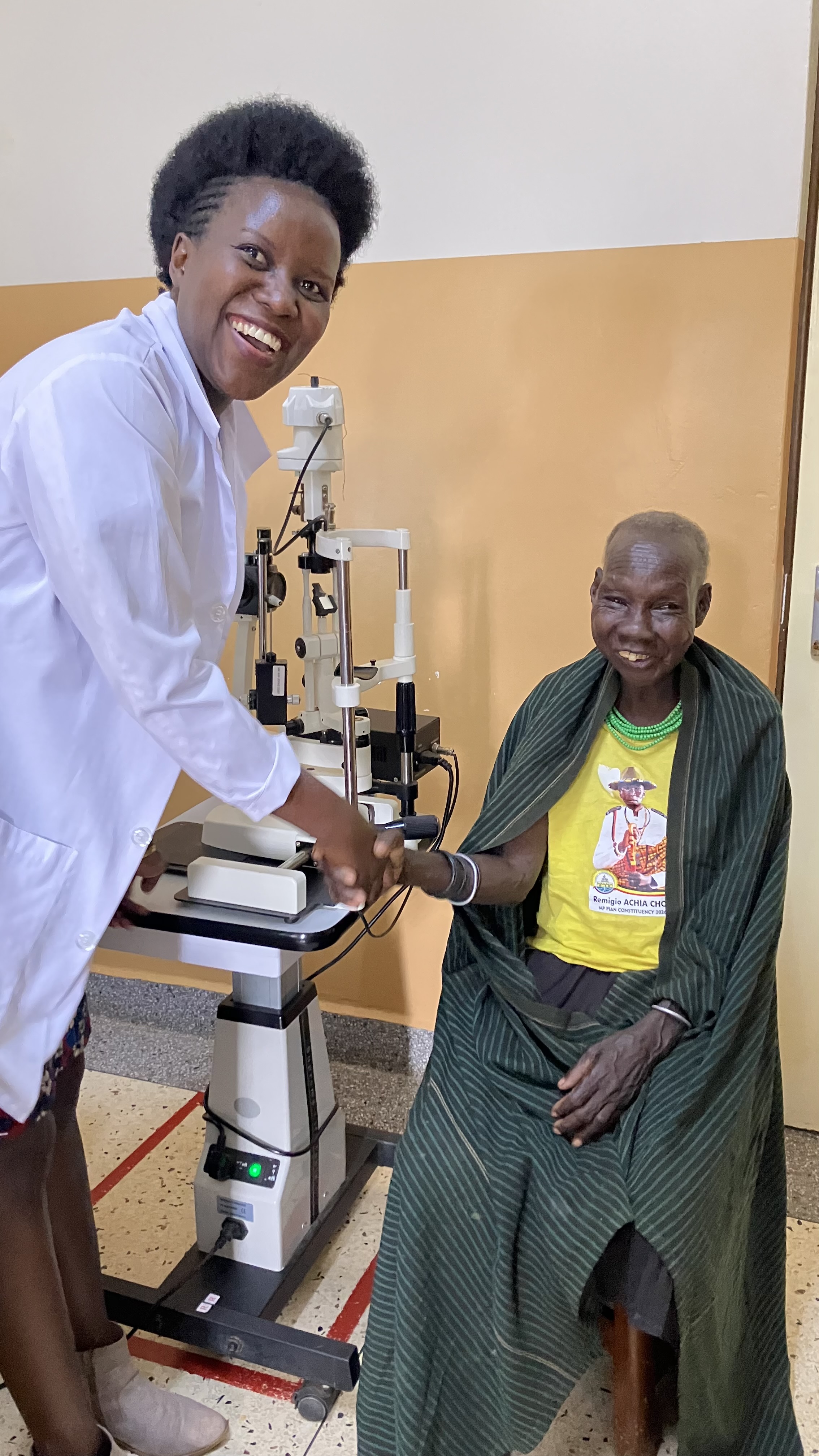
Maria Anuesa

Organisation:Moroto Regional Referral Hospital
Location: Uganda
Photographer: Gladys Atto

Cataract surgery restored dignity and independence for Maria

Read Story

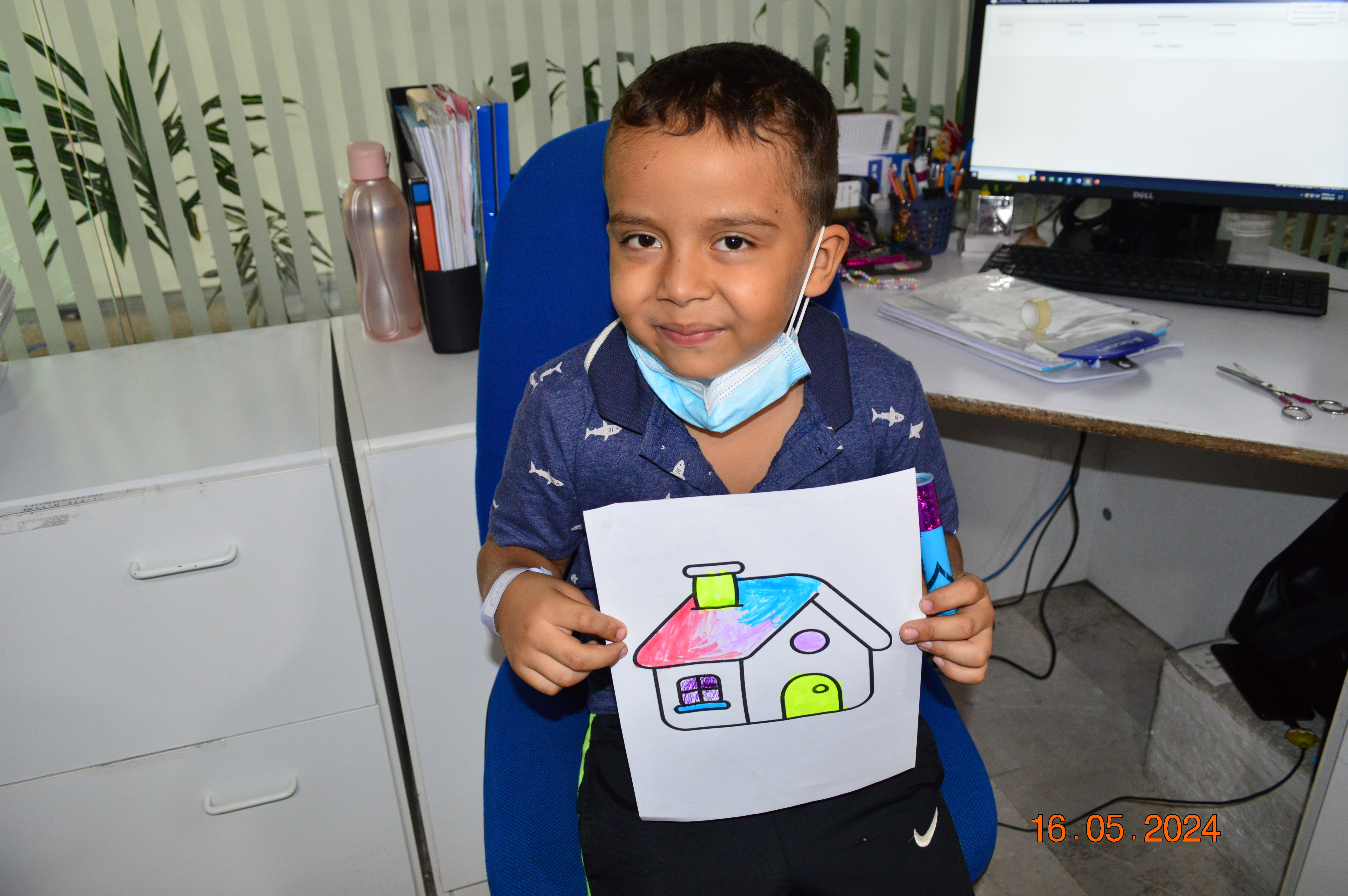
Marco Emmanuel

Organisation:Fundacion de Asistencia Privada Conde de Valenciana 
Location: Mexico
Photographer: Juan Emmanuel Jimenez Aguilar

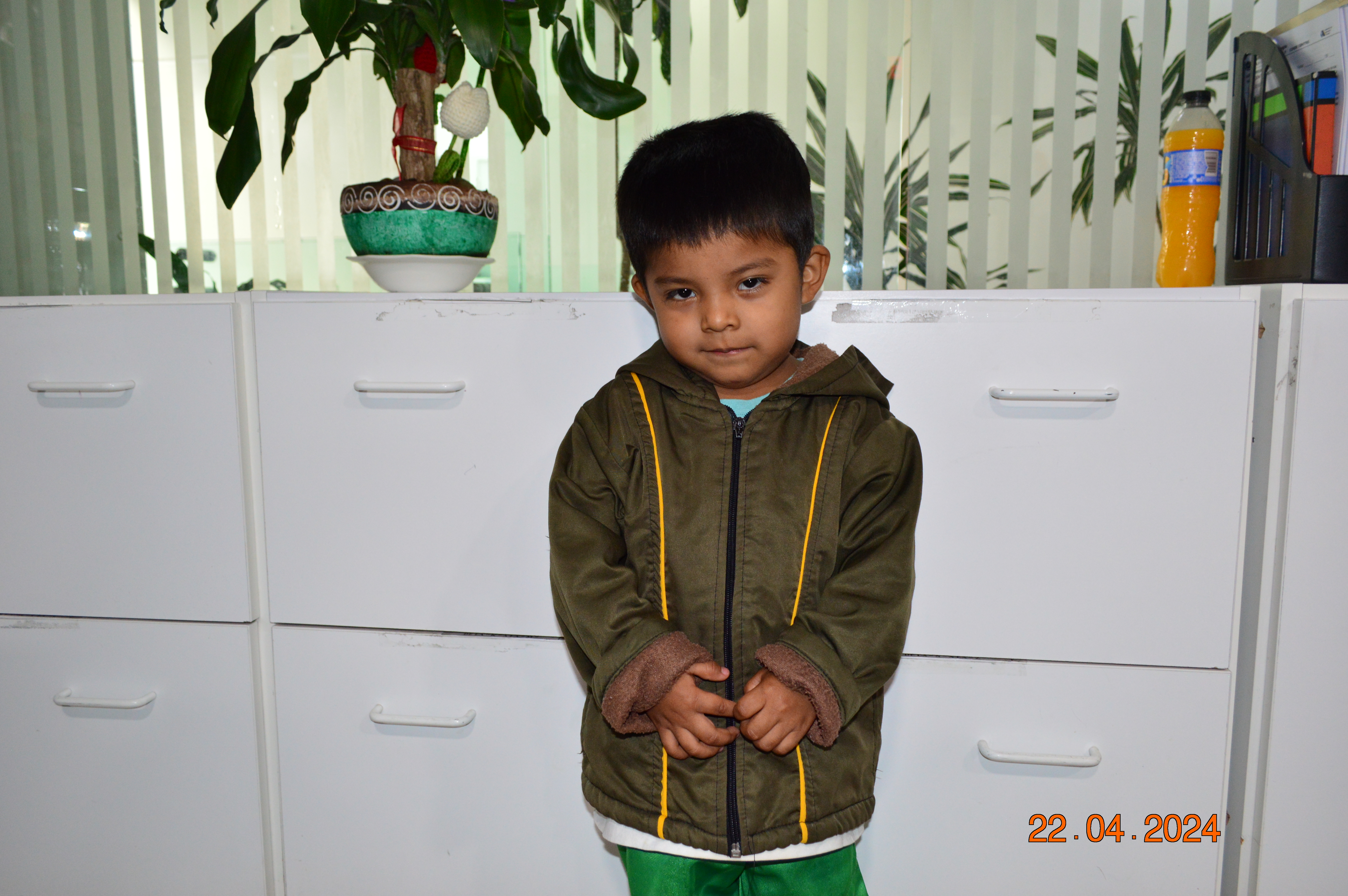
Marco, un niño de 6 años de edad, originario de Ometepec, Guerrero, México, fue sometido a un procedimiento quirúrgico para corregir un estrabismo.

Read Story

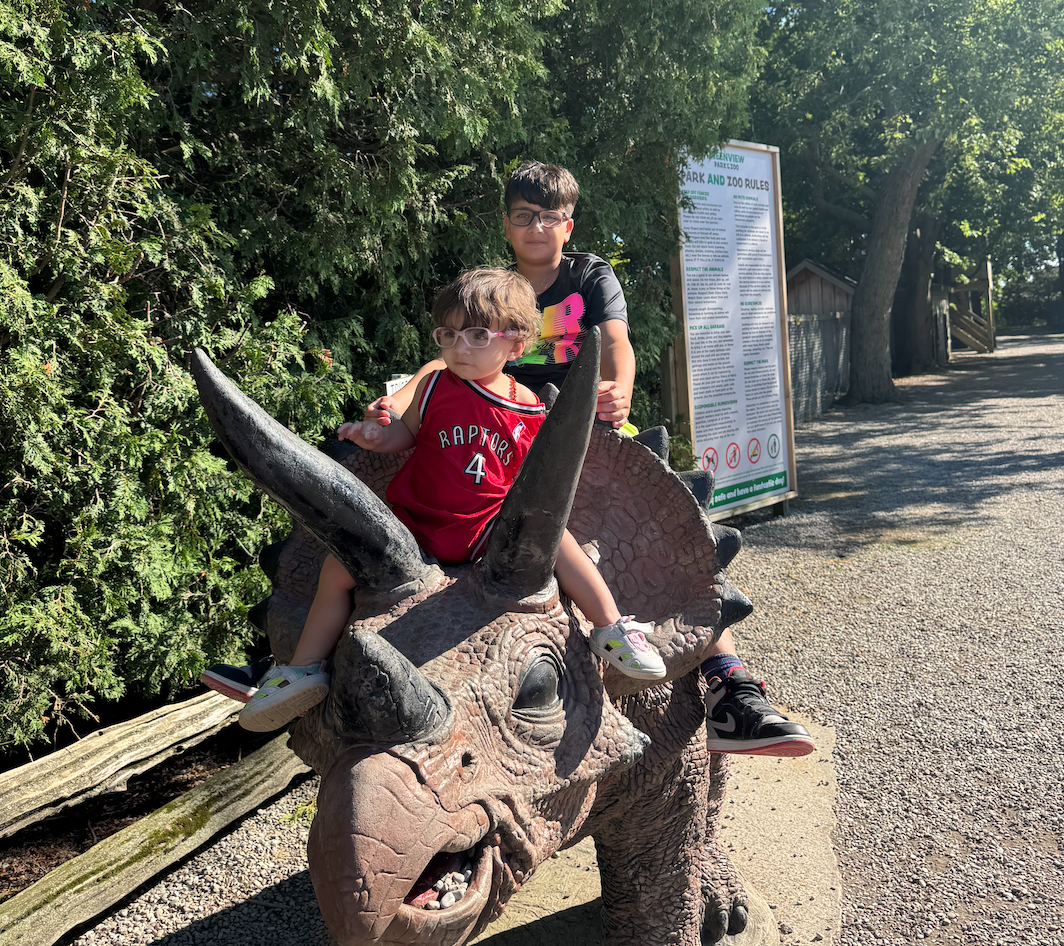
Zaid and LeMeese

Location: Alberta, Canada

Regular eye tests are so important because not all vision problems are visible, and what feels “normal” might not be healthy.


Read Story

Holo Makanisa

Organisation: Sighsavers
Location: Tanzania
Photographer: Michael Goima

Having her cataracts removed and sight restored was "quite joyful" for Holo.

Read Story

Oscar Zaid

Organisation: Fundacion de Asistencia Privada Conde de Valenciana 
Location: Mexico
Photographer: Juan Emmanuel Jimenez Aguilar

Oscar Zaid, un niño de 3 años de edad originario de San Juan Bautista Cuicatlán, Oaxaca, México, fue sometido a un procedimiento quirúrgico para la corrección de Catarata Congénita.

Read Story

Twinde Tishuma

Organisation: Sightsavers
Location: Zimbabwe
Photographer: Cynthia Matonhodze

Twinde's pain has stopped and his school performance has improved after an operation on a traumatic cataract.

Read Story

Bourama Sacko

Organisation: SightSavers
Location: Mali
Photographer: Harandane Dicko

"It's going to have a big impact on my future because I'm going to be able to write well and see well.”

Read Story

Sadaf

Location: Pakistan

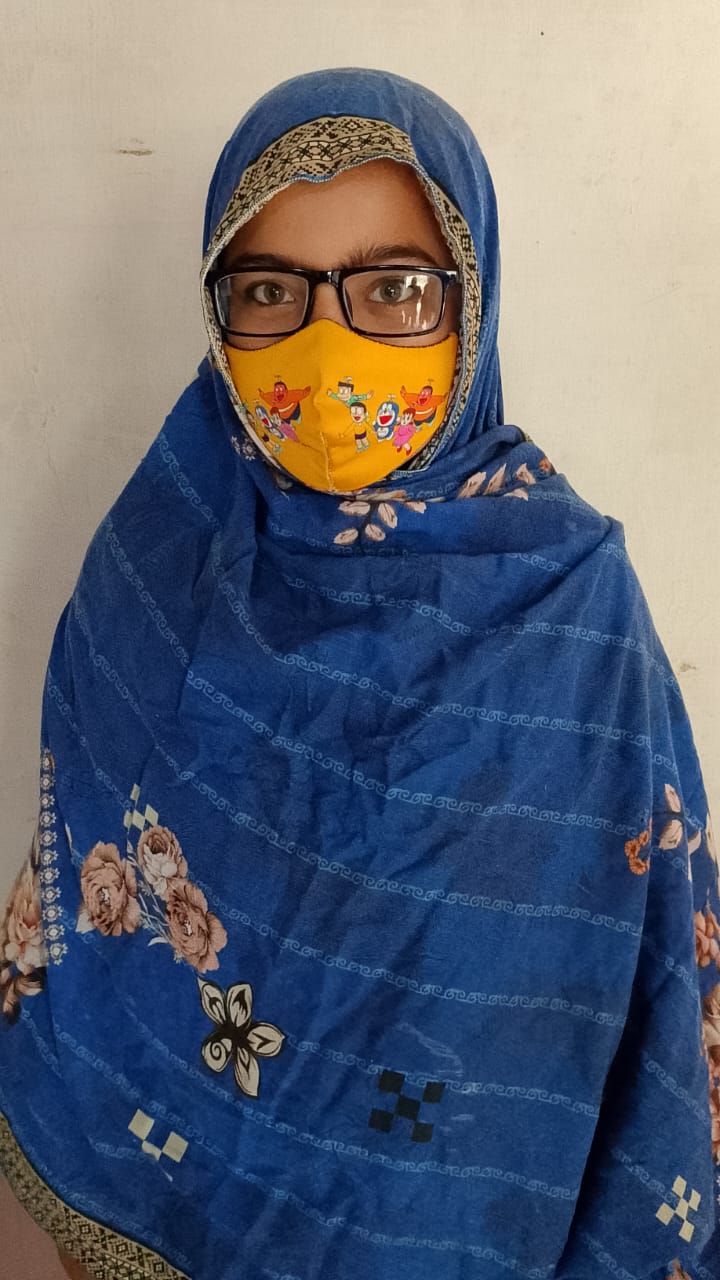
Sadaf’s new glasses gave her back the ability to read, study, and dream. Her story shows how free, accessible eye care can transform a child’s future, turning blurred vision into bright opportunities.

Read Story

Merhan Memon

Location: Pakistan

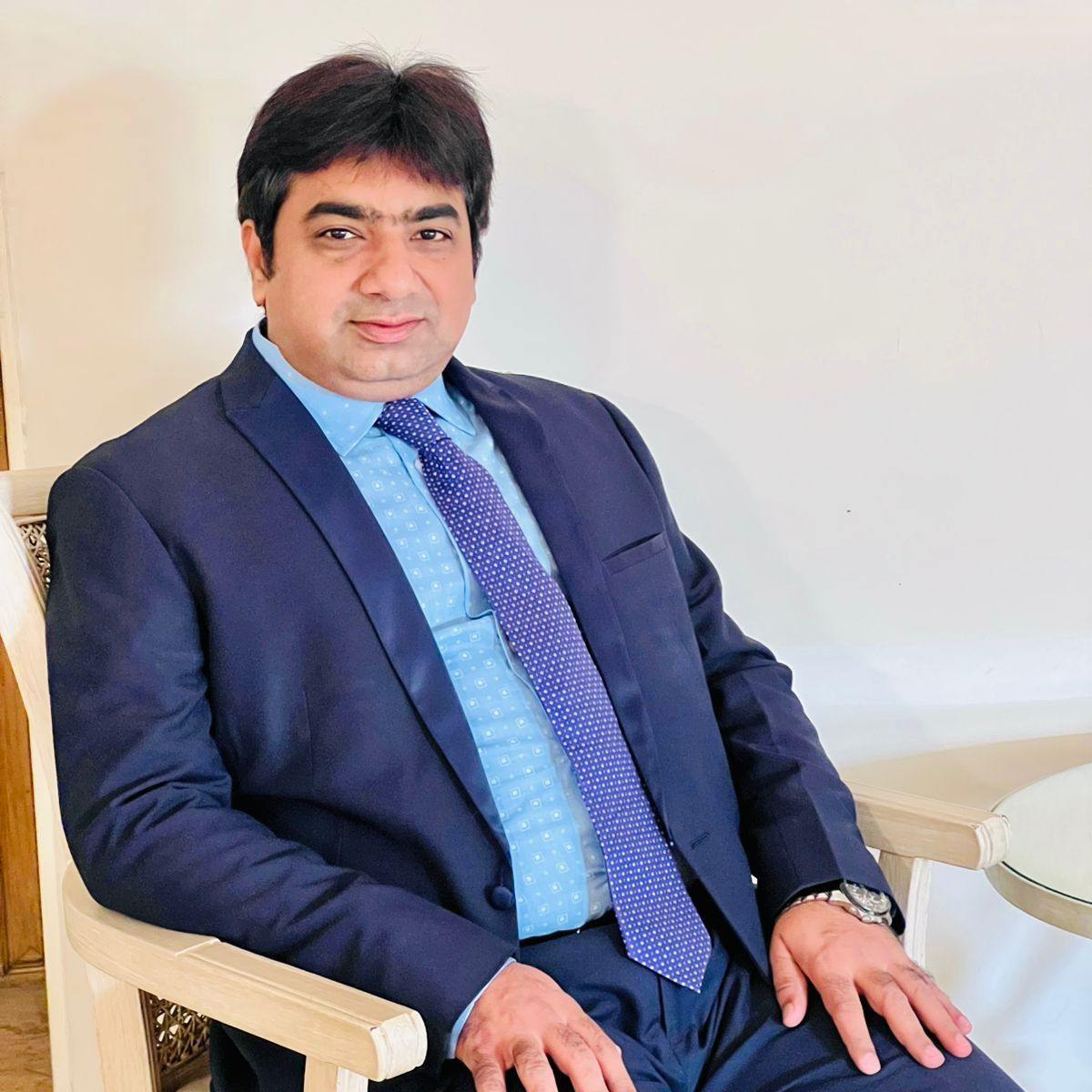
As an IT leader in eye health, I have seen how technology and data transform lives — from children learning in classrooms to drivers regaining independence. My journey is a reminder that protecting vision safeguards dignity, opportunity, and the future. That’s why we must all #LoveYourEyes.

Read Story

Fekadu Merga

Location: Ethiopia

Double challenge: blindness in both eyes and a hearing impairment. Without resources for treatment.

Read Story
Close window

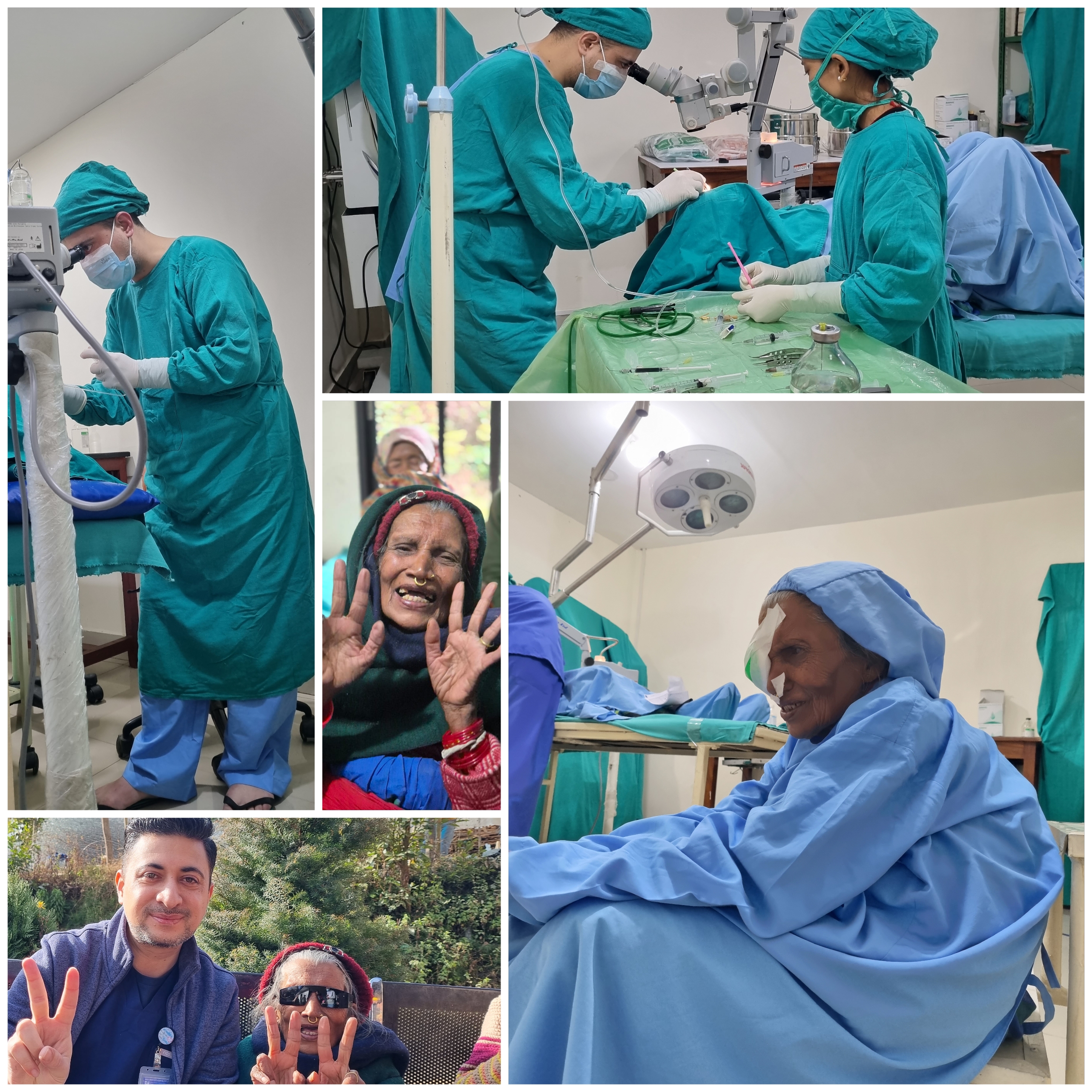
During the Surgical Eye Camp at Diktel, Khotang (27th–29th December 2024), we experienced a deeply moving moment of vision restoration. Among the patients was 56-year-old Mrs. Sabimaya Sarki, who had been completely blind in both eyes for years, with only perception of light remaining. She was carried to the camp, unable to walk or see, and also suffered from severe scoliosis, preventing her from lying flat for surgery.

Despite these challenges, we were determined to help her. I, Dr. Subash Pokharel, Consultant Ophthalmologist and Vitreo-Retina Surgeon at Nawa Dristi Eye Hospital, performed her cataract surgery in a standing position, adapting the microscope and technique to her posture. The operation demanded great care and adjustment, but our focus was on restoring her sight.

The next day, as her bandage was removed, Sabimaya’s world lit up — she could see again after years of darkness. Her tears of joy and heartfelt blessings touched everyone present. This unforgettable experience reaffirmed our purpose as eye surgeons: restoring not just sight, but dignity, hope, and independence. In remote regions like Khotang, such moments remind us that compassion and teamwork truly bring light to those living in darkness.

Subash Pokharel

Location:Nepal
Photographer: Team NDEH

Precious moment of vision restoration

Close window

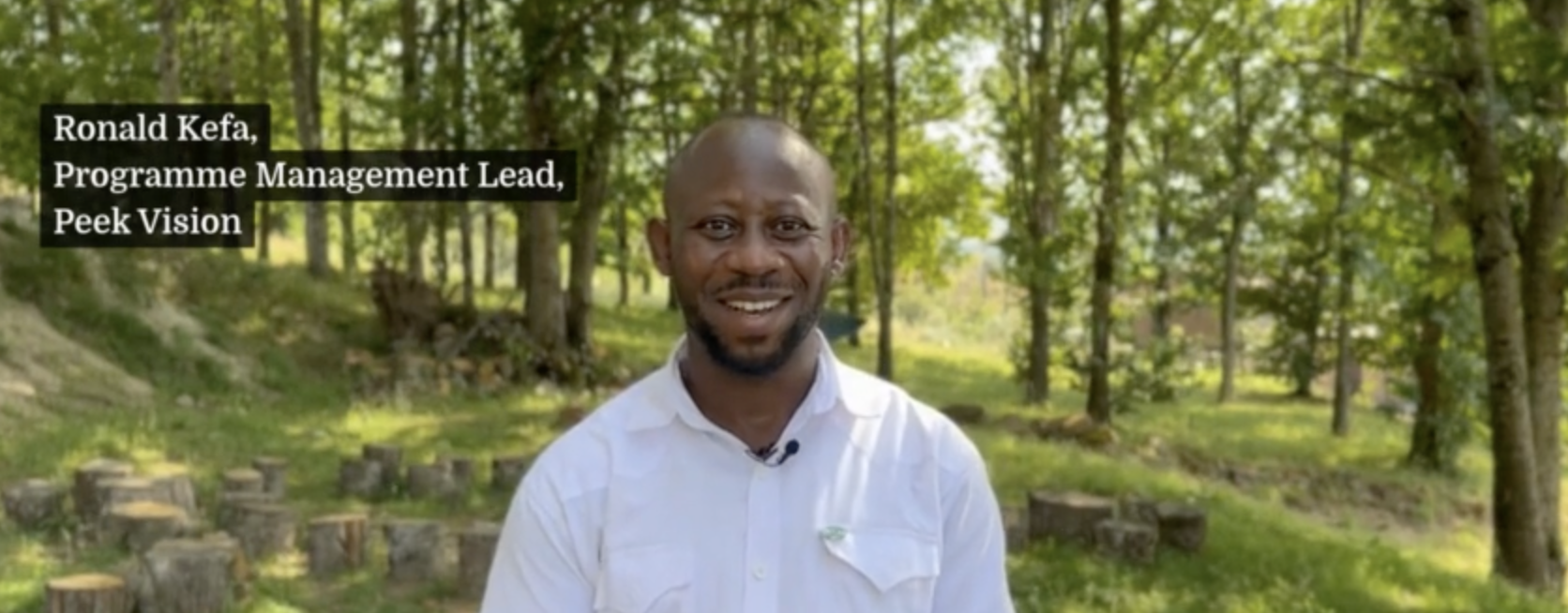
Ronald Kefa is a Programme Management Lead at Peek Vision. Based in Kenya, he works with NGOs and eye hospitals to help them deliver greater impact. With Peek’s software and data insights, they are streamlining vision screening and improving access to treatment.

Ronald’s commitment to eye health is deeply personal. As a child, he watched his grandfather slowly lose his sight. Living in rural Uganda, his grandfather longed for treatment that never came. With eye care services far out of reach, he died blind - a tragedy that is repeated for millions of people worldwide.

In this video, Ronald explains how that experience left a lasting impression on him, and today fuels his determination to ensure that others don’t lose their sight for lack of treatment.

At Peek, Ronald works with partners including CBM Christian Blind Mission, Sightsavers, and The Fred Hollows Foundation to embed Peek technology into their eye health programmes. He has played a key role in CBM’s Vision Impact Project, which in just over three years has screened 5.7 million people across seven counties in Kenya, and connected more than 930,000 with life-changing eye care.

Ronald Kefa

Organisation: Peek Vision
Location: Kenya

“When I was young, my grandfather developed blindness and eye care services were nowhere to be found. Unfortunately, he died blind. As I grew up and got involved in eye care work, for me, it became a personal mission, to prevent other people from suffering the fate of my grandfather.”

Close window

The Last Marker is not just a story about sight, it’s a story about renewed life.

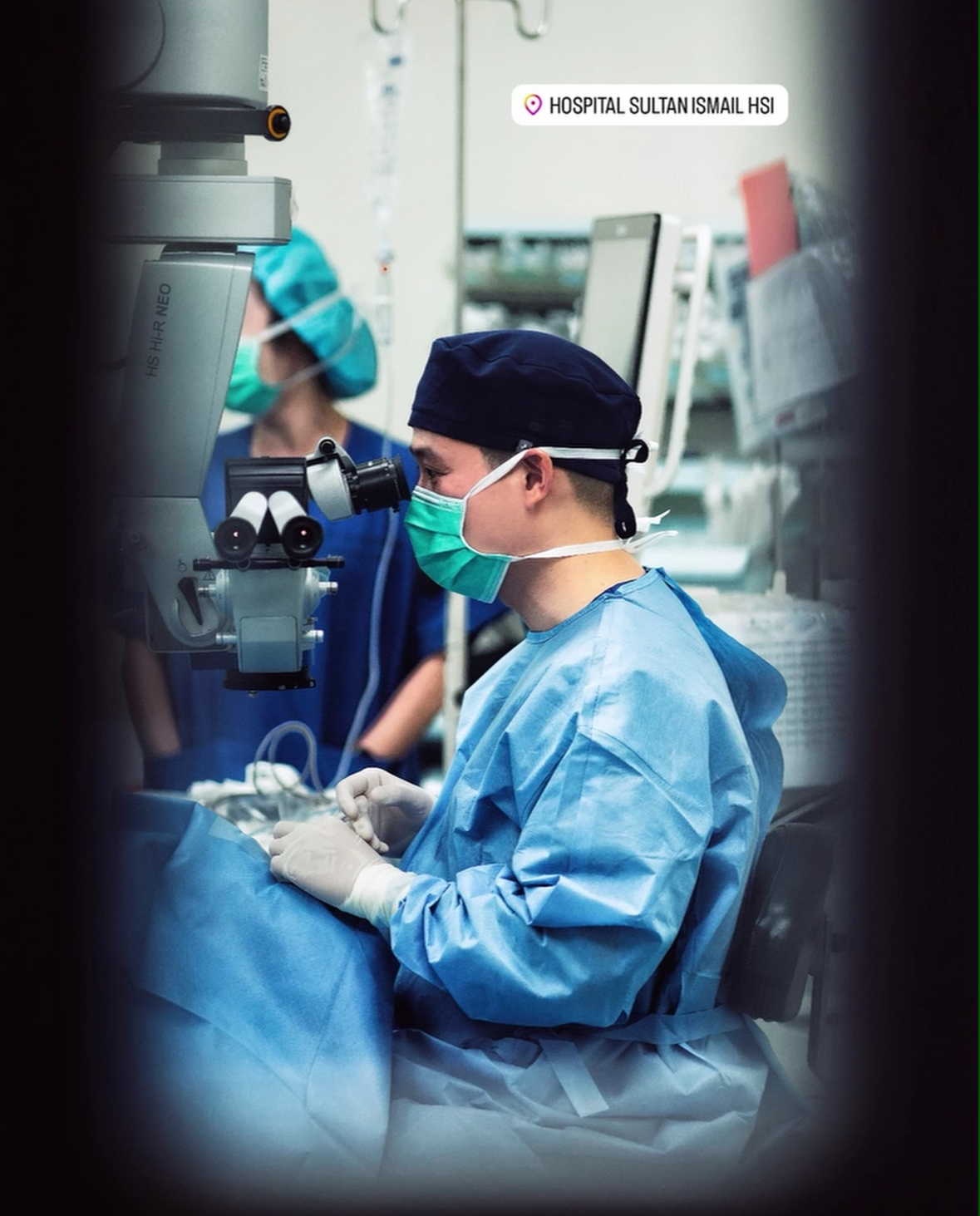
As an ophthalmologist, I meet patients every day who remind me that vision is not something we see with our eyes alone. It’s how we live.

One man, in particular, carried a black marker pen everywhere he went. Not to write notes, but to rewrite his world. Cataracts had stolen his clarity, words on paper had faded into fog, numbers into ghosts. So, he made them bold again, line after line, he rewrites everything, just to stay connected to the life he was slowly losing sight of.

Then came his cataract surgery. One week later, he returned, eyes bright and spirit lighter. Out of habit, he still carried his marker until he realized he didn’t need it anymore. He smiled, dropped it into the dustbin, and walked out free.

That moment wasn’t just about vision restored. It was life restored.

Dr Andrew Low

Location: Malaysia
Photographer: @dr.andrewlow

Every day, I witness life-changing moments, but this one stayed with me.
He carried a marker pen everywhere, rewriting his world when his vision faded.
But after cataract surgery, he dropped the marker into the bin and walked out free.
That’s not just vision restored, it’s life restored.
Close window
At the age of two, a community program called Parents as First Teachers had a representative stop by and was able to help my mother catch a suspected sight issue. I was then referred to an optometrists where I was diagnosed with anisometropic amblyopia, which could have been gone undetected. Because of this intervention and treatment, my success in school was not deterred. Now that I have a 3 year old daughter, I know the importance of getting her eyes checked. 

Alyssa Callaghan

Organisation: World Council of Optometry
Location: USA

As an employee of WCO and someone who received early intervention from an optometrist at the age of two, I understand the importance of having my child’s eyes tested. Keeping her eyes healthy will set her up for success in her development and her future.

Close window

I was in the 5th grade when I first got glasses. I still remember looking out at the trees and realizing there were individual leaves! It wasn't all just one big blob!

Since then, I've worn my glasses every day. They've helped me see so much, like waterfalls and sunsets and my family, even if only on video call. I try not to take my sight for granted, but sometimes it's easy to forget how it was before.

A few years ago, my grandmother came to the US. While she was here, we took her to get her vision checked for the first time in years. It was worse than expected; they found that she was nearly blind in one eye and had bad eyesight in the other.

This put everything into perspective for me. It made me realize that not everyone was in a position to receive the same consistent quality eye care I had since I was little. She is the reason I began working at a global optometric organization -- to help those around the globe get the same care as I did, and for everyone to have the ability to see the leaves.

Rachel Ghatasheh

Organisation: World Council of Optometry
Location: USA

As someone who has had glasses since the 5th grade, it was easy to take my eyesight for granted. However, my grandmother's lack of eye care reminded me how important it is to advocate for global access to quality eye care so everyone can have the opportunity to see

Close window

I realized the importance of eye health after being diagnosed with Binocular Vision Dysfunction. I was suffering from numerous symptoms - dizziness, nausea, frequent migraines and so much more. It affected my work, my relationships and almost every aspect of my waking moment. I was only able to get my quality of life back with the help of my optometrist who diagnosed me, getting the correct eyeglasses prescription and going through months of vision therapy.

Ginny

Organisation: World Council of Optometry

Location: USA

Eye health is so important as it is one of the key ingredients to having a great quality of life - coming from someone like me who suffered from undiagnosed BVD

Close window

A research fund from VOSH/International was an opportunity to trigger a teachers-led school eye health program in Jordan, a country struggling with hosting refugees from neighboring countries.

The teachers training and providing low cost vision screening kits through a research fund opened the door for students to be screened and vision problems to be detected early. The project also created a referral pathway for spectacles delivery. 

Yazan Gammoh

Organisation: World Council of Optometry
Location: Jordan
Photographer: Yazan Gammoh

Utilizing research to support school eye health programs

Close window

I was uncertain and very worried about my health, but my child told me about the treatment available at the hospital. When I went and received care, I immediately noticed a big difference — my pain started to ease, and now my life has greatly improved,"
said one of the patients.

Ernest Mwaipopo

Location: Tanzania
Photographer: Cletus Sanga

I was uncertain and very worried about my health, but my child told me about the treatment available at the hospital. When I went and received care, I immediately noticed a big difference — my pain started to ease, and now my life has greatly improved," said one of the patients.

Close window

Six years ago, I woke up blind in one eye. While I slept, I had Non-arteritic Anterior Ischemic Optic Neuropathy (NAION) — in simple terms, a stroke to the eye. The doctor told me my vision would never return, but reassured me it was unlikely to happen again. Four weeks later, it did. My other eye was struck, and life as I knew it was gone.

There were no warnings, no way to prepare. Overnight, I lost not only my sight but also my hope. My faith in God crumbled. I grieved the small things I once took for granted: the colors of a sunset, the sparkle in my daughter’s eyes, the silent looks my wife and I shared.

The world became hazy, blurred, and unbearably sad. And yet, I’ve learned that loss is not the end of love or meaning. My family and I walk through this together. I still struggle with the question: can I learn to love even the things I most wish had never happened? I don’t have the full answer, but every day I try to live into it.

Samuel Hendrickson

Location: USA
Photographer:Dr. Christine Capaci

Losing my sight was sudden and devastating, but it didn’t take away my love for life or laughter. I now use comedy to share my story and bring light into dark places. Even in blindness, I’m learning that hope and humor can keep us moving forward.

Close window

At two, my daughter Holland “failed” her vision test. Her pediatrician showed us a scan: her right eye was crossing to focus. We hadn’t noticed vision issues, but she was clumsier than other kids on the playground.
We were referred to the Wilmer Eye Institute at Johns Hopkins—one of the best in the world. After extensive testing (and many snacks), we learned she had strabismus. She was farsighted and crossing her eyes to compensate.
We tried eyeglasses and patching. When that didn’t help, she received a stronger prescription. Now at 4.5, surgery may be needed to reduce her prescription and stop the crossing.
As a parent, you want your child’s life to be happy, healthy, and easy. Eyeglasses aren’t a big deal—but lacking access to vision care is life-altering.
That’s why I joined RestoringVision as Marketing Director. I’ve felt the anxiety of not knowing what’s wrong—and imagined it multiplied for millions without care. RestoringVision provides free readers and screenings to people over 40 with near-vision loss.
I want a world where poor eyesight never stops someone from learning or thriving. I’m proud to help restore vision—and dignity—for millions.

Caitlin Holland

Organisation:Restoring Vision
Location: USA

When my toddler was diagnosed with strabismus, I felt the fear of not knowing what was wrong—and the relief of expert care. Millions lack that access. Joining RestoringVision lets me help restore sight and dignity to those who need it most. Vision shouldn’t be a barrier to thriving.

Close window

After enduring two years of blindness caused by cataract, Maria made a long journey from Nabilatuk, a remote district in Karamoja in North eastern Uganda that many people are unfamiliar with. She was accompanied by her granddaughter for support as she sought medical help. 
The very next morning, as soon as the bandage was removed, Maria’s face lit up with a smile. She began identifying the colors of our clothing one by one, filling me with immense happiness and relief.
Maria shared that she had previously depended entirely on her two granddaughters for daily tasks such as cooking, washing clothes, and guiding her to the latrine. She felt a loss of dignity. Her granddaughters had dropped out of school to care for her. 
Now, everything has changed. She says her granddaughters will be able to return to school, and she will be able to resume her normal life of independence.
When asked what message she would share with others in the community, Maria responded: “Now I can confidently tell people to come and have surgery. I will tell them about the miracles that happen in this place.” 

Support from Sightsavers made Maria's surgery possible

Maria Anuesa

Organisation:Moroto Regional Referral Hospital
Location: Uganda
Photographer: Gladys Atto

Cataract surgery restored dignity and independence for Maria

Close window

Marco, un niño de 6 años de edad, originario de Ometepec, Guerrero, México, fue sometido a un procedimiento quirúrgico para corregir un estrabismo. La intervención se realizó en el Hospital Conde de Valenciana, Ciudad de México, un centro médico de alta especialización reconocido por su experiencia en oftalmología pediátrica y cirugías oculares complejas.

El tratamiento del estrabismo en Marco fue necesario para corregir la desviación ocular, la cual, si no se tratara oportunamente, podría haber resultado en complicaciones adicionales como ambliopía (ojo vago) o pérdida de la visión binocular, afectando tanto su desarrollo visual como su integración social y emocional. La intervención tuvo como objetivo mejorar la alineación ocular, optimizar la visión en ambos ojos y promover un desarrollo visual más normal. 

Marco Emmanuel

Organisation:Fundacion de Asistencia Privada Conde de Valenciana 
Location: Mexico
Photographer: Juan Emmanuel Jimenez Aguilar

Marco, un niño de 6 años de edad, originario de Ometepec, Guerrero, México, fue sometido a un procedimiento quirúrgico para corregir un estrabismo.

Close window

Working in eye care, I’ve often heard how a simple eye test can change a life. But when it happened in my own family, I truly understood the impact.

My niece, LeMesse (1), started crossing her eyes when trying to focus. At first, we thought it was just a cute quirk, but it soon became clear that something was wrong. During an eye exam, she was diagnosed with amblyopia (lazy eye). The optometrist suggested checking my nephew, Zaid (10), as well, as this is a genetic disease. To our surprise, he too had amblyopia, though he showed no obvious signs. When asked why he never mentioned blurry vision, he replied: “I thought it was normal.”

That moment reminded me why regular eye tests are so important. Not every vision problem is visible, and what feels “normal” may not be healthy vision.

Thankfully, both children now have treatment plans, and a simple pair of glasses has already made a world of difference. Today, LeMesse and Zaid see clearly and have every chance to thrive in school, at home, and in their futures. 

This experience showed me the true meaning of #LoveYourEyes and the importance of equitable, affordable, and accessible eye care.

Zaid and LeMeese

Location: Alberta, Canada

Regular eye tests are so important because not all vision problems are visible, and what feels “normal” might not be healthy.


Close window

Holo, a 70-year-old farmer, is one of many people who benefited when a mobile clinic visited her Tanzanian village.

Rachel, Holo’s daughter, said Holo had started to completely lose her sight and was getting a lot of headaches, which made her day-to-day activities difficult. She had been taken to a referral hospital but her eye issues persisted. One day while Rachel was in town, she was told that skilled doctors would be coming soon as part of a mobile clinic.

Before her cataract surgery, Holo was scared and stressed about what would happen. Rachel managed to convince her the operation was necessary, and Holo agreed to go ahead. By the time she came out of surgery, Holo was happy and relaxed, and the pain she had felt was already reduced.

Holo is now a convert to the importance of good eye health and is going to tell her brother to access treatment for his eye issues. Asked how she feels about having her sight restored, Holo says simply: “It is quite joyful.”

Holo Makanisa

Organisation: Sighsavers
Location: Tanzania
Photographer: Michael Goima

Having her cataracts removed and sight restored was "quite joyful" for Holo.

Close window

Oscar Zaid, un niño de 3 años de edad originario de San Juan Bautista Cuicatlán, Oaxaca, México, fue sometido a un procedimiento quirúrgico para la corrección de Catarata Congénita. La intervención se realizó en el Hospital Conde de Valenciana, ubicado en la Ciudad de México, un centro de referencia reconocido por su alta especialización en oftalmología pediátrica y cirugías oculars complejas. La cirugía se llevó a cabo con éxito, siguiendo los protocolos médicos establecidos y empleando tecnologías avanzadas para garantizar la recuperación óptima del pequeño. La intervención fue fundamental para mejorar la visión de Oscar Zaid y prevenir posibles complicaciones asociadas con la catarata congénita, que si no se tratara en etapas tempranas, podría comprometer significativamente su desarrollo visual y su calidad de vida futura. Actualmente, se continúa con el seguimiento oftalmológico para asegurar la adecuada recuperación y la estabilidad de su visión, así como para detectar oportunamente cualquier posible complicación postoperatoria.

Oscar Zaid

Organisation: Fundacion de Asistencia Privada Conde de Valenciana 
Location: Mexico
Photographer: Juan Emmanuel Jimenez Aguilar

Oscar Zaid, un niño de 3 años de edad originario de San Juan Bautista Cuicatlán, Oaxaca, México, fue sometido a un procedimiento quirúrgico para la corrección de Catarata Congénita.

Close window

Sightsavers first met Twinde in early 2023 when he had an operation on a traumatic cataract. Now 11, his eye is fully recovered and his sight restored.  
Before his surgery, he would return from herding his family’s goats and cattle with pain in his eye, which would only go away after taking a nap. He also used to get distressed thinking about how his parents would afford his operation.  
His mother Cecilia was really worried about her son - Twinde was in a lot of pain, suffered from chronic headaches, and was unable to do simple household chores. 
Since his operation and the restoration of his sight, Twinde says he can “see properly from all angles with both eyes”. It has also made life easier in school, with teachers reporting that his performance has improved: “[before the operation] I could struggle to read words with the injured eye but now I can see and read words without difficulty”.

Twinde Tishuma

Organisation: Sightsavers
Location: Zimbabwe
Photographer: Cynthia Matonhodze

Twinde's pain has stopped and his school performance has improved after an operation on a traumatic cataract.

Close window

Bourama, 13, was born with congenital cataracts, blurring his sight. 
He struggled with schoolwork and would bump into things when he was walking.
His dad Diakaridia explained: “I noticed that he was blinking a lot. I went to the health centre and they told me he was suffering from cataracts.
“When he looks, his eyes hurt, and when he walks, he bumps into things. I know he's very concerned about his illness. His mom talks to me about it every day and asks me to look after him.”
But he found it hard to get help for his son: “I have no opportunity to raise my problem. I'm illiterate and when you don't have any connections to help me get help, it's not easy.”
Bourama’s cataracts were removed as part of an eye health programme in Mali, led by Sightsavers.
After his operation, Bourama said: “I can see clearly with both eyes. I can see everyone and that makes me happy. 
“When I'm better, we're going to play football and I'd really like to go back to school. It's going to have a big impact on my future because I'm going to be able to write well and see well.”

Bourama Sacko

Organisation: SightSavers
Location: Mali
Photographer: Harandane Dicko

"It's going to have a big impact on my future because I'm going to be able to write well and see well.”

Close window

At RHC Kot Qazi in Pakistan, where I am working as an optometrist, 14-year-old Sadaf came with her grandfather, struggling to keep up in school. Her glasses had broken months earlier, and without them, reading and studying became extremely difficult. She often experienced headaches and found it nearly impossible to follow her lessons.

Her grandfather explained that although she desperately needed glasses, the family could not afford a replacement. With her father working as a daily wage laborer, buying spectacles was far beyond their financial reach. This meant Sadaf’s education and confidence were slipping away simply because she could not see clearly.

Thanks to the support of CBM and COAVS, Sadaf was prescribed new glasses and received them free of cost at the community optical shop in Talagang. The moment she put them on, her face lit up with relief and joy. She could finally read again without struggle.

Her grandfather expressed his gratitude, saying, “Now my granddaughter can study without any problem.” Sadaf’s story reflects how something as simple as a pair of spectacles can transform a child’s future, restoring not only vision but also hope, confidence, and the chance to achieve her dreams.

Sadaf

Location: Pakistan

Sadaf’s new glasses gave her back the ability to read, study, and dream. Her story shows how free, accessible eye care can transform a child’s future, turning blurred vision into bright opportunities.

Close window

I am Engr. Mehran Memon, serving as Assistant Director of Information Technology at the Sindh Institute of Ophthalmology and Visual Sciences (SIOVS), Hyderabad, since 2017. With degrees in Software Engineering (B.E. 2012, M.E. 2015) from Mehran University of Engineering & Technology, Jamshoro Pakistan, I have dedicated my career to integrating technology with healthcare to strengthen systems and expand access to quality eye care.

At SIOVS, I lead digital transformation initiatives, act as IT Lead & Master Trainer for Peek Vision (CBM-supported), and serve as Focal Person for Safeguarding. My work includes implementing digital school screening, driver vision assessments, and community-based eye health programs initiatives that have reached thousands of individuals, enabling early detection, timely treatment, and prevention of avoidable blindness. These efforts demonstrate how thoughtfully applied technology can reduce inequalities and build sustainable eye health systems.

In recognition of these contributions, I was honored as one of the IAPB Young Systems Leader Award Winners 2025 and awarded the Karen Sparrow Scholarship 2025, reflecting my commitment to ethical, data-driven, and people-centered approaches in eye health.

Merhan Memon

Location: Pakistan

As an IT leader in eye health, I have seen how technology and data transform lives — from children learning in classrooms to drivers regaining independence. My journey is a reminder that protecting vision safeguards dignity, opportunity, and the future. That’s why we must all #LoveYourEyes.

Close window

Bezabeh Andarge, a 19-year-old from Dita woreda, near Arba Minch, faced a double challenge: blindness in both eyes and a hearing impairment. Without resources for treatment, Bezabeh's world grew increasingly isolated.
Despite his hearing difficulties, Bezabeh had been a promising student, reaching the 6th grade. Tragically, the loss of his eyesight forced him to abandon his education, extinguishing his hopes for the future
Asefa Andarge, Bezabeh's niece and a traditional cloth worker, became his dedicated caregiver. Limited by their financial circumstances, Asefa couldn't afford to seek medical help for Bezabeh's eyes or ears.
 he brought him to the CBP outreach event.
 Bezabeh underwent successful eye surgery and regained his vision. Asefa watched with tears in his eyes as his Nephew was finally able to see.
"We can’t afford his treatments tank you all of you for doing this," exclaimed. Now at least he can start his school and have a chance at a real life.
Overjoyed by the transformation, Asefa asked if CBP could also help Bezabeh with his hearing impairment. With CBP's assistance, they connected with doctors who could evaluate Bezabeh's hearing and explore potential treatment options.

Fekadu Merga

Location: Ethiopia

Double challenge: blindness in both eyes and a hearing impairment. Without resources for treatment.

Stay in touch

Receive all the latest news, webinars, updates, events and more right to your inbox. 

Join our Mailing List