
Unique stories to inspire everyone to #LOVEYOUREYES

Paloma

Location: Spain

Organisation: SERMAS

Professional who works in eye health and development

Nuestro taller de Atención Primaria ayudó a las personas a identificar sus dificultades, acceder a rehabilitación visual y apoyo social, y demostró que la autonomía, la seguridad y la dignidad se pueden proteger mediante una atención coordinada y centrada en la persona.


Read Story

Karola

Location: Latvia 

Healthcare or eye health practitioner

Healthy vision should never be taken for granted. Combining clinical practice, teaching, and research, I am helping to improve eye health in Latvia, and one day hope to participate in a charity initiative providing eye care to underserved communities worldwide.

Read Story

Wekwanya

Location: Uganda

Healthcare or eye health practitioner 

Wekwanya comes from a humble family and is a passionate health advocate, content creator, and founder. He founded GAF Medical Videos on YouTube and GAF Eye Health Foundation. His contribution to health education and innovation earned him recognition through a Uganda Ministry of Health HIHA award.

Read Story

Kasia

Location: United States

Most retinal diseases are found too late because the current tests rely heavily on imaging. I believe we should add affordable functional testing to the standard of care. Improving early diagnosis and prevention may help slow the vision-loss epidemic driven by aging societies.

Read Story

Pushpa

Location: Nepal

Nepal Eye Program, Tilgagna Institute of Ophthalmology 

The Nepal Eye Program, Tilganga Institute of Ophthalmology, continues to contribute to reducing avoidable blindness by bringing quality eye care and sight-restoring cataract surgery to underserved and remote communities across Nepal.

Read Story

Hendry

Location: Indonesia

Eye care must shift from medical paternalism to inclusion. Because visual impairments are often invisible, public awareness on blindness and low vision is vital. True inclusion demands services beyond clinical treatment: providing rehabilitation, accurate data, and records that serve as essential prerequisites to access our rights.

Read Story

Ashmita

Location: Nepal

Healthcare or eye health practitioner

By turning global training into local action, we built a supportive peer network that transforms isolation into strength, empowering female health workers in Nepal to step into leadership, rediscover their passion, and build a stronger, more equitable eye care system for our communities.

Read Story

Manish

Location: Nepal

Healthcare or eye health practitioner

"Global Expertise. Local Impact"

Read Story

Valentina

Location: Peru, Lima

Organisation: RestoringVision

"Not only will I be able to read, but I'll also be able to help with my children's homework again."

Read Story

Vania

Location: Dominica Republic

Organisation: RestoringVision

"Receiving these glasses today was a wonderful surprise, because I did not know that vision screenings would also be offered."

Read Story

Rosmeri

Location: Peru, Lima

Organisation: RestoringVision

"Thanks to the glasses I've been given, I can now see much more clearly. I won't have trouble seeing up close or headaches anymore."

Read Story

Geographic Atrophy


Diane

At the age of 54, Diane was diagnosed with Geographic Atrophy after a routine eye examination. Initially reassured that the condition might not progress, she continued working, driving and enjoy her hobbies such as photography and writing. After a decade, Diane began to notice significant changes in her vision as the condition advanced.

Read Story

Jovita

Location: Nigeria

An optometrist in a rural world that helps to educate people about their eyes, hoping to do more in the World Sight Day.

Read Story

Leticia

Location: Bolivia

Organisation: Eyes of the World Foundation

No child should lose their sight because they lack access to eye care. Leticia’s story shows how early detection and simple interventions can transform a child’s future. It restored her sight, allowing her to learn, grow and thrive, while also changing the lives of her family and community.

Read Story

Zainab

Location: Nigeria

Organisation: Federal University Teaching Hospital

Healthcare or eye health practitioner

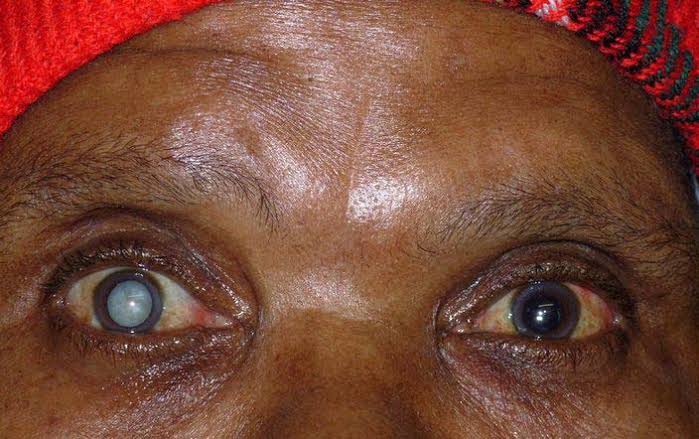
Some years ago, before I travelled for my training, I met a trader in the market who caught my attention. I noticed she was using dark goggles while working in her stall which I inquired about and she said was to avoid glare in the afternoon's bright sunlight. 

Read Story

Lorenna

Location: Brazil

Family member

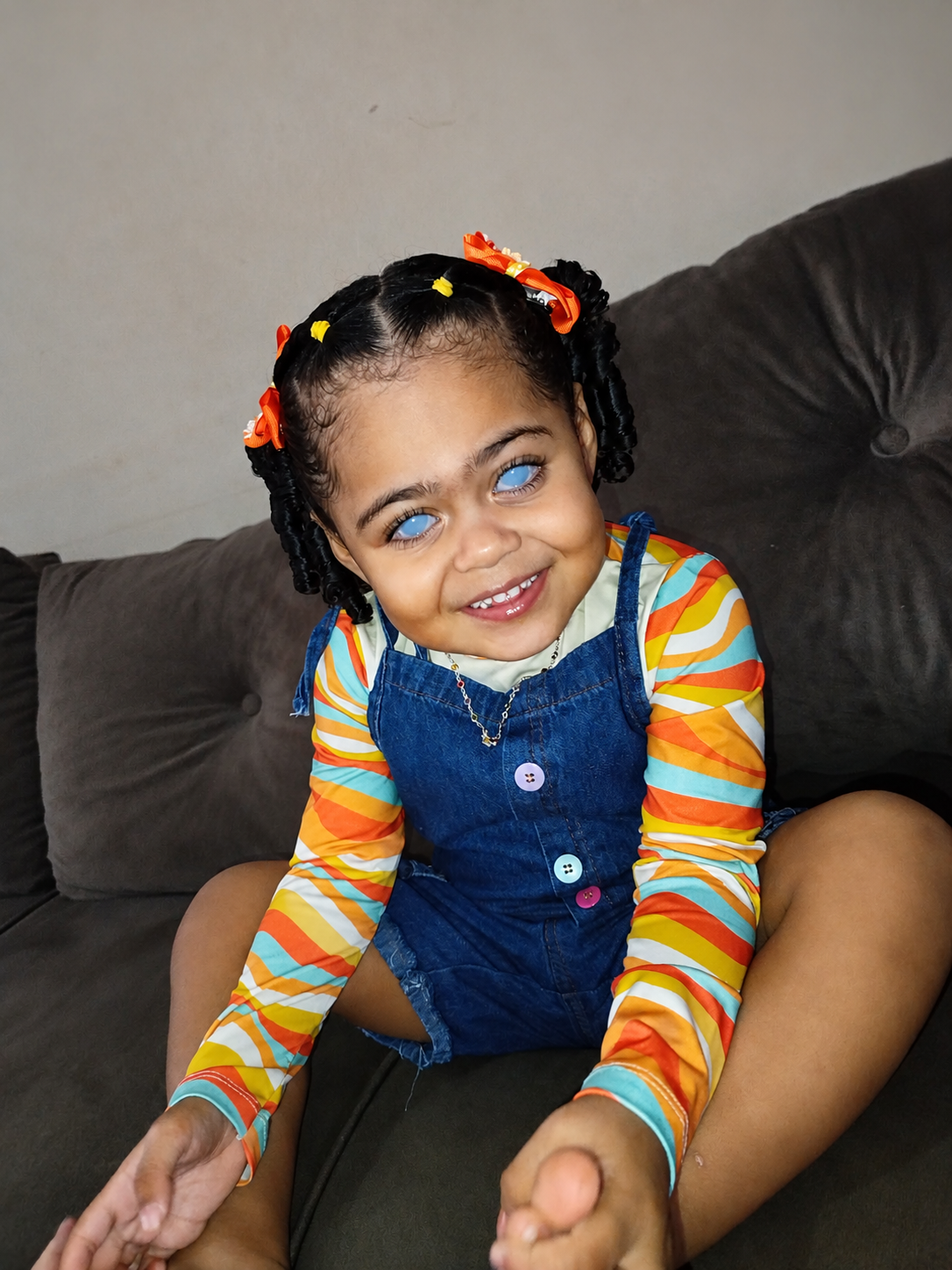
Congenital glaucoma changed Lorenna's life from her very first days, but it has never taken away her joy. Early diagnosis, continuous treatment, and hope are giving her the chance to keep discovering the world.

Read Story

Sumaiya and Habiba

Location: Bangladesh

Organisation: Fred Hollows Foundation

Tale of Two Sisters 

For over seven years, sisters Sumaiya and Habiba lived in darkness, isolated by congenital cataracts. Through The Fred Hollows Foundation and the ANCP, both received free surgery — travel and accommodation covered. After years of dependency, the smiles on their faces have finally returned.

Read Story

Tessa

Location: United Kingdom

A small change in my vision led to an ocular-melanoma diagnosis and the removal of my left eye within two weeks. I now live with monocular vision and a prosthetic left eye - learning daily to navigate a permanently altered world with honesty, humour and resilience.

Read Story

Artelus

Location: India

Healthcare or eye health practitioner

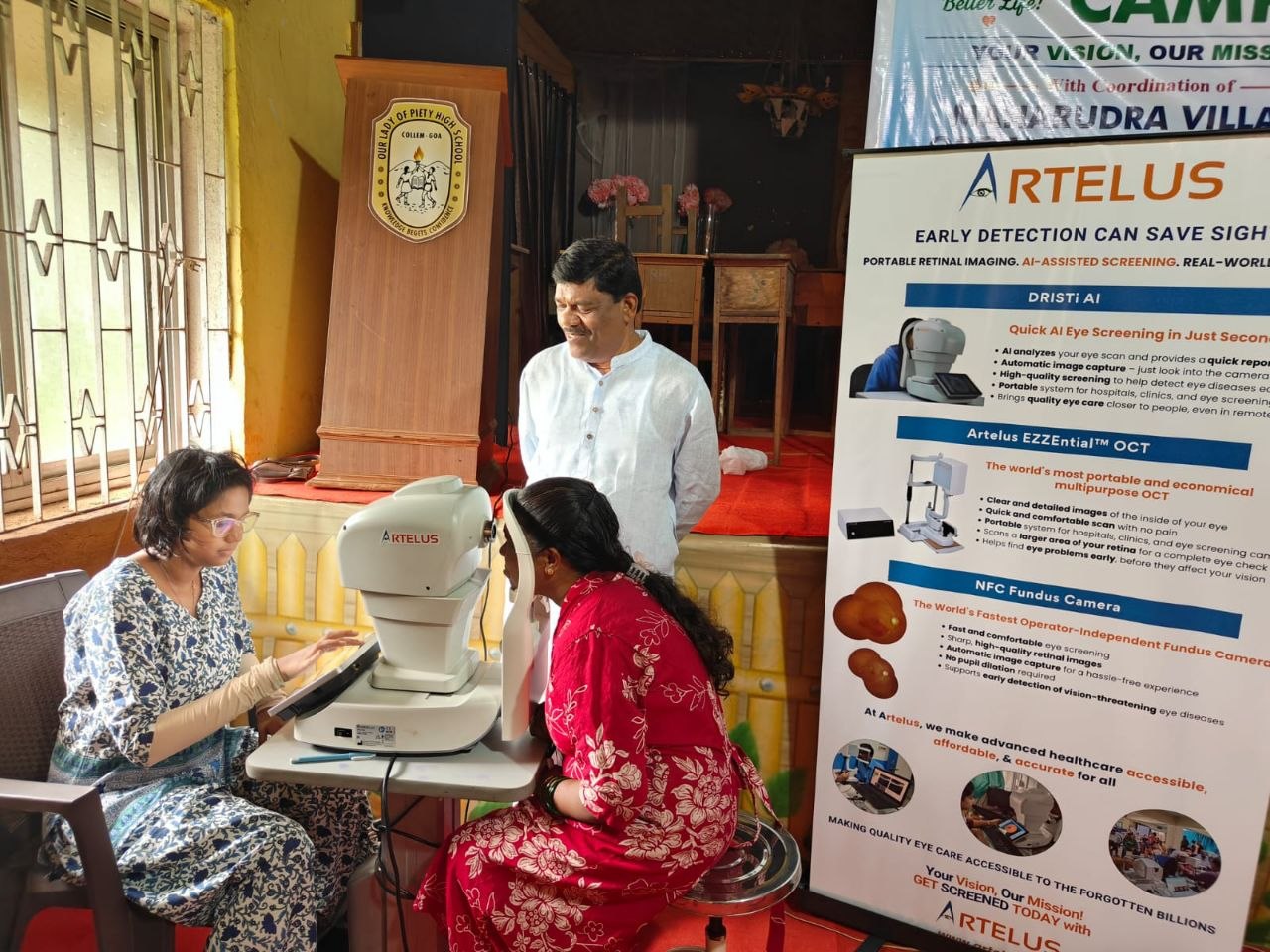
Our mission is to bridge the gap in eye care by conducting retinal screening camps in remote and underserved communities across India, ensuring that early detection, awareness, and timely referrals are accessible to everyone, regardless of where they live.

Read Story

Shazia

Location: Tanzania

Professional who works in eye health and development

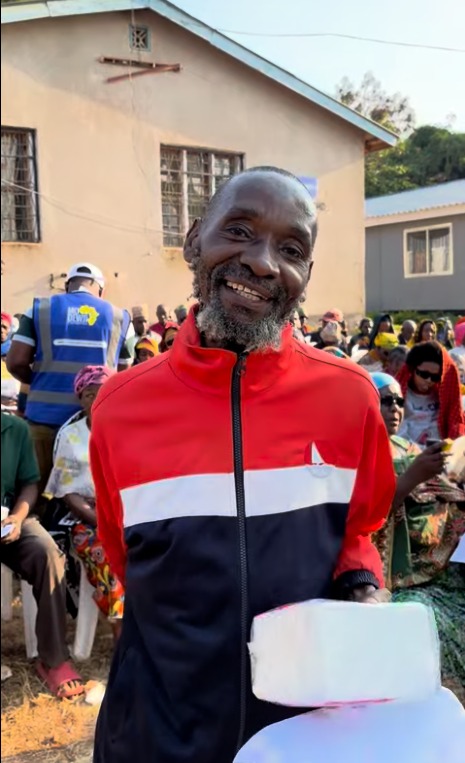
He could barely see and always needed someone to guide him. After cataract surgery on both eyes, he received the gift of sight. He started walking by himself, smiling and proud of his independence. It made me realise this gift changes not only what someone sees but who they become.

Read Story
Close window

El taller educativo grupal en baja visión nace desde Atención Primaria como respuesta a una necesidad frecuentemente invisible: personas con pérdida visual que conservan resto visual, pero presentan dificultades relevantes para leer, desplazarse, manejar la medicación, orientarse, cocinar o participar en la vida social. La experiencia con adultos con baja visión, utilizó una metodología participativa, se combinaron educación sanitaria, escucha activa, intercambio de experiencias, identificación de barreras y orientación hacia recursos sanitarios, sociales y comunitarios.

El taller permitió visibilizar necesidades de los participantes, especialmente relacionadas con autonomía, seguridad, impacto emocional y desconocimiento de los apoyos disponibles. Desde esta perspectiva, se incorporó la importancia del acompañamiento psicológico ante el duelo visual y la pérdida de independencia, el acceso a trabajo social para orientar sobre discapacidad, dependencia y recursos, y la conexión con apoyos comunitarios y asociativos. Asimismo, se promovió la rehabilitación visual como intervención clave para optimizar el resto visual, entrenar habilidades funcionales y recuperar actividades significativas, mostrando el potencial de Atención Primaria como puerta de entrada a una atención integral, humanizada y centrada en la persona.

Paloma

Location: Spain

Organisation: SERMAS

Professional who works in eye health and development

Nuestro taller de Atención Primaria ayudó a las personas a identificar sus dificultades, acceder a rehabilitación visual y apoyo social, y demostró que la autonomía, la seguridad y la dignidad se pueden proteger mediante una atención coordinada y centrada en la persona.


Close window

I am an optometrist and vision science researcher at the University of Latvia. My daily work combines academic research, teaching students, and clinical practice with patients. For me, working directly with patients is the most rewarding part of all, because seeing firsthand how proper vision correction transforms and improves a person's everyday life is deeply fulfilling. Teaching students adds meaning to my work at another level, as I can help shape and guide the next generation of eye care specialists, and doing research allows me to contribute and push the boundaries of our field by investigating new clinical approaches.

The accessibility of eye care services in Latvia is relatively high, but I wish people would appreciate and utilize these resources more actively, as many still neglect regular preventive check-ups, leading to delayed diagnoses and a reduced quality of life. Thinking globally, I deeply empathize with regions where there are barriers for accessing eye care services, therefore, one day, I hope to participate in an international charity initiative to help provide eye care in countries with critically low accessibility.

Karola

Location: Latvia 

Healthcare or eye health practitioner

Healthy vision should never be taken for granted. Combining clinical practice, teaching, and research, I am helping to improve eye health in Latvia, and one day hope to participate in a charity initiative providing eye care to underserved communities worldwide.

Close window

Wekwanya Ambrose is a passionate health advocate, content creator, and founder whose journey is rooted in humble beginnings and a strong desire to make a difference in the community.

Coming from a humble family, Ambrose developed a deep interest in healthcare and community service. His passion for sharing health information and creating awareness led him to establish GAF Medical Videos, a YouTube platform dedicated to sharing medical and health-related information with the public.

Through his work, Ambrose has continued to use digital media to promote health education, create awareness about eye health, and connect communities with important health information. His commitment to improving access to healthcare information eventually inspired him to establish the GAF Eye Health Foundation, an organization focused on improving eye health and supporting communities through eye-care

Wekwanya

Location: Uganda

Healthcare or eye health practitioner 

Wekwanya comes from a humble family and is a passionate health advocate, content creator, and founder. He founded GAF Medical Videos on YouTube and GAF Eye Health Foundation. His contribution to health education and innovation earned him recognition through a Uganda Ministry of Health HIHA award.

Close window

For many patients, night vision loss is the earliest alarm indicating retinal dysfunction. A patient might walk into an eye clinic and read a perfect 20/20 on the standard chart, but they will also report, "I can see fine in the exam room, but I can't drive at night." This symptom, known as nyctalopia, is often dismissed as a normal sign of aging, but it is actually a critical, the earliest warning of retinal dysfunction. This is how many retinal diseases begin, including age-related macular degeneration and diabetic retinopathy, which continue to grow as societies age.

Most retinal diseases are found too late because the standard of care relies heavily on imaging tests. Imaging tools like OCT and fundus photography confirm structural damage that has already occurred. By the time a scan looks abnormal, the patient has already lost crucial time.

I lead a company that wants to change that. We use photoreceptor science to develop portable, affordable devices that test and quantify retinal function. We hope it will help more patients discover retinal diseases earlier and reduce the risk of structural damage and vision loss.

Kasia

Location: United States

Most retinal diseases are found too late because the current tests rely heavily on imaging. I believe we should add affordable functional testing to the standard of care. Improving early diagnosis and prevention may help slow the vision-loss epidemic driven by aging societies.

Close window

For people living in Nepal’s remote mountainous communities, accessing quality eye care can be a significant challenge. Distance, difficult terrain, and limited access to services can prevent people from receiving timely treatment for avoidable blindness.

The Nepal Eye Program, Tilganga Institute of Ophthalmology (NEP–TIO), is committed to reducing avoidable blindness by bringing essential eye care services closer to underserved communities. Through its extensive community outreach program, NEP–TIO performs around 20,000 cataract surgeries annually, particularly reaching people living in remote, rural, and marginalized communities across Nepal.

As part of this continued commitment, the Solu Periodic Outreach Microsurgical Eye Camp (OMEC) was conducted in Phaplu, Solukhumbu, on 22–23 September 2026. Patients from different remote parts of the district were screened through the Comprehensive Eye Screening Program and referred for further treatment.

During the two-day camp, 62 sight-restoring cataract surgeries were successfully performed, giving people the opportunity to regain their vision and improve their quality of life.

We sincerely thank the surgical, outreach, hospital, and support teams, local stakeholders, Cure Blindness Project, and Good Vision Nepal for their valuable support in making quality eye care accessible to those who need it most.

Pushpa

Location: Nepal

Nepal Eye Program, Tilgagna Institute of Ophthalmology 

The Nepal Eye Program, Tilganga Institute of Ophthalmology, continues to contribute to reducing avoidable blindness by bringing quality eye care and sight-restoring cataract surgery to underserved and remote communities across Nepal.

Close window

Growing up, my vision differed from peers, yet "loss" was never my reality—it was simply my world. The pressure to fix it belonged entirely to systems outside me. In late 2003 at age 11, discovering low-vision services reframed everything: shifting our collective focus from chasing a cure to maximizing the vision I possessed.

By 2020, my spectacles brought my vision to 3/60 from 1/60 unaided. While these lenses offered real utility, they engineered a dangerous invisibility: their ordinary facade masked the severe low vision of my retinitis pigmentosa, hiding my tunnel vision from an uninformed public and inviting everyday harm. To shatter that forced concealment, I carry the white cane—my tool for mobility and an undeniable identifier.

Inclusive eye care must transcend clinical treatment and blindness prevention into comprehensive rehabilitative care—guiding us in selecting assistive devices, adapting environments, and navigating life. True inclusion also demands administrative justice: issuing precise medical records and supporting letters for employment and education that bridge clinical reality with bureaucratic demands, preventing ignorance or clinical jargon from disqualifying us.

Hendry

Location: Indonesia

Eye care must shift from medical paternalism to inclusion. Because visual impairments are often invisible, public awareness on blindness and low vision is vital. True inclusion demands services beyond clinical treatment: providing rehabilitation, accurate data, and records that serve as essential prerequisites to access our rights.

Close window

When I started introducing Women Leaders in Eye Health (WLEH) online in Nepal, my goal was clear: to stop talented women from quitting or leaving due to male-dominated institutional pressures. What began as a virtual meeting of just three of us has transformed into a resilient movement.

Together, we organized our first school workshop with over 100 participants—mostly mothers—which deeply solidified my commitment to empowering women at the grassroots level. Since then, we have distributed leadership by training colleagues to facilitate their own peer circles, expanding our reach through continuous connection, networking, and structured mentorship.

The most rewarding achievement is the profound transition I see every day. Juniors who were once hesitant are now stepping forward as vocal leaders, and colleagues who felt disillusioned have rediscovered their love for the profession. By building a supportive network that turns isolation into strength, we are proving that retaining and elevating female health workers creates a stronger, more compassionate eye care system for Nepal.

Ashmita

Location: Nepal

Healthcare or eye health practitioner

By turning global training into local action, we built a supportive peer network that transforms isolation into strength, empowering female health workers in Nepal to step into leadership, rediscover their passion, and build a stronger, more equitable eye care system for our communities.

Close window

Bringing world-class vision care home to Nepal. I believe vision is far more than seeing clearly. It is about how we learn, connect, and experience life.

As an optometrist, I am passionate about binocular vision, vision development, vision therapy, and neuro-vision rehabilitation. At the time when these specializations were still emerging in Nepal, I pursued advanced international training and became Nepal’s first Fellow of the College of Optometrists in Vision Development (COVD), now OVDRA.

I brought that knowledge home with a purpose: to make specialized vision care more accessible to those in need and lay the foundational stones in the field that could grow beyond me. I have had the privilege of treating more than 3,500 children and adults through over 300,000 vision therapy sessions, helping patients overcome functional visual challenges.

My journey extends beyond clinical care. As an Assistant Professor of Optometry and Vision Science at NAMS, Bir Hospital, Nepal, I teach and mentor future optometrists, helping develop the next generation of vision-care professionals.

This World Sight Day, I share my story because every story counts and lasting change begins when knowledge is shared, opportunities are created, and one person’s journey inspires many others.

Manish

Location: Nepal

Healthcare or eye health practitioner

"Global Expertise. Local Impact"

Close window

Valentina Ancasi Fernández has relied on the Community Kitchens run by Peru's Ministry of Development and Social Inclusion (MIDIS) for six years, part of a program that brings food assistance and basic healthcare to her community in Lurigancho-Chosica, Lima. As her near vision faded, one of her favorite activities became difficult: reading, both alone and with her children. She could no longer help them with homework the way she used to.

Through RestoringVision's partnership with MSH Perú and MIDIS, a vision-screening campaign came to her community, and Valentina received her first pair of near-vision eyeglasses. "I have difficulty seeing up close and reading, and these glasses are a great support so that I don't have to give up this activity that I enjoy so much," she said.

The impact went beyond the page. "Not only will I be able to read, but I'll also be able to help with my children's homework again," Valentina said. "This experience of getting free reading glasses is very rewarding."

Her story is one of more than 2,000 people in Lurigancho-Chosica who have received near-vision eyeglasses or UV-protective sunglasses through this partnership since April.

Valentina

Location: Peru, Lima

Organisation: RestoringVision

"Not only will I be able to read, but I'll also be able to help with my children's homework again."

Close window

Vania Jean Charles used to clean houses for a living. About five years ago, a workplace accident changed her daily life: cleaning solution splashed into her eyes, leaving them watering constantly. She also noticed reading up close had become a struggle.

At a vision screening in her community, Vania was diagnosed with presbyopia, the age-related loss of near vision, and left with eyedrops for the cleaning accident and her first new pair of glasses in a year. Vania's eyeglasses were provided through RestoringVision's partnership with Hospital El Buen Samaritano in the Dominican Republic

"I have been without glasses for almost a year because, although they are very important to me, I am currently unemployed and there are other priorities," Vania said. "Receiving these glasses today was a wonderful surprise because I did not know that vision screenings would also be offered. Thank you so much for coming to help those of us who need it most."

Vania

Location: Dominica Republic

Organisation: RestoringVision

"Receiving these glasses today was a wonderful surprise, because I did not know that vision screenings would also be offered."

Close window

For five years, Rosmeri Loayza Osorio has been part of the "Community Pots," supported by Peru's Ministry of Development and Social Inclusion (MIDIS)'s Food Supplementation Program in Lurigancho-Chosica, Lima. Over time, seeing up close became harder. Small print blurred. Straining to read gave her dizziness and headaches, turning an everyday pleasure into something she dreaded.

Rosmeri's experience is a textbook case of presbyopia: the natural, age-related loss of near vision that affects nearly everyone as they age. Left uncorrected, it can lower quality of life. The fix, though, is simple: a pair of near-vision eyeglasses.

Through RestoringVision's partnership with MSH Perú and MIDIS, a campaign in Lurigancho-Chosica brought free vision screenings and near-vision eyeglasses to more than 2,000 people since April, part of a broader partnership that has reached over 700,000 people across Peru to date. Rosmeri was one of them.

"I'm very grateful for this great support they're giving us with this campaign," she said. "I had trouble reading up close; some small print was hard for me to see. I felt dizzy when I tried to read."

Now, that discomfort is gone. "Thanks to the glasses I've been given, I can now see much more clearly," she said.

Rosmeri

Location: Peru, Lima

Organisation: RestoringVision

"Thanks to the glasses I've been given, I can now see much more clearly. I won't have trouble seeing up close or headaches anymore."

Close window
Close window

I work in a deep rural area in Nigeria, a lot of people here are visually impaired and have poor knowledge about their eyes, so an optometrist I tried to help a lot of them by educating them about their sights also treat as much as I can. I tried to make them believe that using the right medication for your sight matters a lot. During this world sight day I believe am going to go places (more rural locations) to educate them about their sights also help in treatment.

Jovita

Location: Nigeria

An optometrist in a rural world that helps to educate people about their eyes, hoping to do more in the World Sight Day.

Close window

Leticia is an 8-year-old girl who lives with her family in a rural community in Bolivia, in a remote area with limited resources and services. On her way to school, she began experiencing discomfort in her eyes; her vision was blurred, she would trip over, and she felt as though there was something in her eye.

Her teacher, who had received basic training in eye health through the Eyes of Bolivia programme, noticed that she was struggling to see and had difficulty keeping up in class. With the support of the Eyes of the world Foundation, Leticia was examined by a specialist team and underwent cataract surgery.

This is one of many cases of children living in vulnerable areas where an undiagnosed eye condition can lead to blindness. By improving access to eye health services, we can prevent thousands of people from suffering vision problems caused by preventable or treatable conditions.

A change like this can ensure her independence, opportunities, and future.

Leticia

Location: Bolivia

Organisation: Eyes of the World Foundation

No child should lose their sight because they lack access to eye care. Leticia’s story shows how early detection and simple interventions can transform a child’s future. It restored her sight, allowing her to learn, grow and thrive, while also changing the lives of her family and community.

Close window

So I asked her to visit the eye clinic in the hospital I work for possible cataract surgery. Few years later when I returned, she was comfortably going about her activities without the goggles and she told me she had accessed treatment as I had advised. So I smiled within me feeling fulfilled.

Zainab

Location: Nigeria

Organisation: Federal University Teaching Hospital

Healthcare or eye health practitioner

Some years ago, before I travelled for my training, I met a trader in the market who caught my attention. I noticed she was using dark goggles while working in her stall which I inquired about and she said was to avoid glare in the afternoon's bright sunlight. 

Close window

My name is Larissa, and I am Lorenna's mother. I want to share my daughter's story to raise awareness about congenital glaucoma and show how early diagnosis and continuous treatment can change a child's life.

Shortly after Lorenna was born, we noticed that something was different about her eyes. What followed was a difficult journey of medical appointments, examinations, and uncertainty. After about fifteen days, we finally found a glaucoma specialist who confirmed the diagnosis of congenital glaucoma.

The pressure inside Lorenna's eyes was dangerously high, and she needed emergency surgery immediately. Since then, she has undergone four eye surgeries and continues to require lifelong follow-up care to preserve the vision she still has.

Today, at three years old, Lorenna attends school, participates in classroom activities with the support of dedicated caregivers, and faces every day with joy and determination. Although her low vision limits her independence, it has never diminished her curiosity, her love of learning, or her desire to explore the world.

As her mother, I hope Lorenna's story helps more people understand congenital glaucoma and reminds them that early diagnosis and access to continuous treatment can change a child's future.

Lorenna

Location: Brazil

Family member

Congenital glaucoma changed Lorenna's life from her very first days, but it has never taken away her joy. Early diagnosis, continuous treatment, and hope are giving her the chance to keep discovering the world.

Close window

Sisters Sumaiya Hossain (17) and Habiba Hossain (14) have been blind for over 7 years due to congenital cataracts. Through The Fred Hollows Foundation and the ANCP-funded program, they received cataract surgery at Mazharul Haque BNSB Hospital in Chandpur, which included their travel and accommodation expenses. It was a great support to the family. Their father Awlad said, "As a father, it is a kind of celebration to see them happy again." After years of living in isolation and dependency, the girls have a new chance in life, and the smiles on their faces have finally returned.

Sumaiya and Habiba

Location: Bangladesh

Organisation: Fred Hollows Foundation

Tale of Two Sisters 

For over seven years, sisters Sumaiya and Habiba lived in darkness, isolated by congenital cataracts. Through The Fred Hollows Foundation and the ANCP, both received free surgery — travel and accommodation covered. After years of dependency, the smiles on their faces have finally returned.

Close window

In 2024, a change in my vision while out running led to a diagnosis of ocular melanoma. Within just three weeks, I had undergone surgery to remove my left eye. It was a huge shock: not simply the loss of an eye, but an immediate and irreversible change to how I see, move through and make sense of the world.

I now live with monocular vision and a bespoke prosthetic eye. This is not sight loss that can be corrected with treatment, glasses or time; it is an unavoidable, permanent adjustment. Everyday things - judging distance, navigating crowds, climbing Kilimanjaro (summited Feb 2026!), confidence and how I am seen by others - all require more thought than they once did.

As a communications professional, I had spent my career helping others find clarity in difficult moments. Living through cancer and life-changing surgery made that intensely personal. I want to share my experience to raise awareness of ocular melanoma, encourage people to take changes in vision seriously, and ensure that the human reality of sight loss is better understood.

Tessa

Location: United Kingdom

A small change in my vision led to an ocular-melanoma diagnosis and the removal of my left eye within two weeks. I now live with monocular vision and a prosthetic left eye - learning daily to navigate a permanently altered world with honesty, humour and resilience.

Close window

In many remote and underserved parts of India, access to quality eye care remains a challenge. For thousands of people, a retinal screening is often unavailable until vision problems begin, by which time the damage may already be irreversible.

Artelus is changing this reality by taking AI-powered retinal screening directly to communities across India. At a recent screening camp, over **450 people** underwent comprehensive eye examinations. For many, it was their first retinal screening. Some were diagnosed with previously undetected eye conditions, while others received timely referrals, giving them a second chance at sight through early diagnosis and treatment.

Beyond screening, Artelus is committed to educating communities about diabetic retinopathy and other retinal diseases, helping people understand that diabetes can silently affect vision without early symptoms.

Every camp is a step towards preventing avoidable blindness through awareness, early detection, and timely intervention. Because we believe everyone, regardless of where they live, deserves access to quality eye care.

Artelus

Location: India

Healthcare or eye health practitioner

Our mission is to bridge the gap in eye care by conducting retinal screening camps in remote and underserved communities across India, ensuring that early detection, awareness, and timely referrals are accessible to everyone, regardless of where they live.

Close window

At the Mo Dewji eye health camp in Kilosa District, Morogoro Region, I met a man who could not see clearly out of either eye. He could only make out shapes and movement, so someone had to guide him by holding his arm.

That day, he had cataract surgery on one eye. The next day, he came back to schedule surgery for his other eye, and I almost didn't recognise him. He walked in on his own, smiling, and went straight to the registration desk to handle everythinghimself, even though only one eye had been treated so far.

He later had surgery on his second eye too.

The man I saw after both surgeries was completely different from the one who first arrived. He stood taller, walked with confidence, and laughed easily. He no longer needed anyone’s help and was truly himself again.

I have worked in health programs and seen plenty of data, from surgery counts to targets met. But nothing shows the true impact like watching a man walk in on his own, smiling because he can see again. He didn’t just get his sight back; he found himself again.

Shazia

Location: Tanzania

Professional who works in eye health and development

He could barely see and always needed someone to guide him. After cataract surgery on both eyes, he received the gift of sight. He started walking by himself, smiling and proud of his independence. It made me realise this gift changes not only what someone sees but who they become.

Stay in touch

Receive all the latest news, webinars, updates, events and more right to your inbox. 

Join our Mailing List