Unique stories to inspire everyone to #LOVEYOUREYES

Terry

Location: Kenya

Professional who works in eye health and development

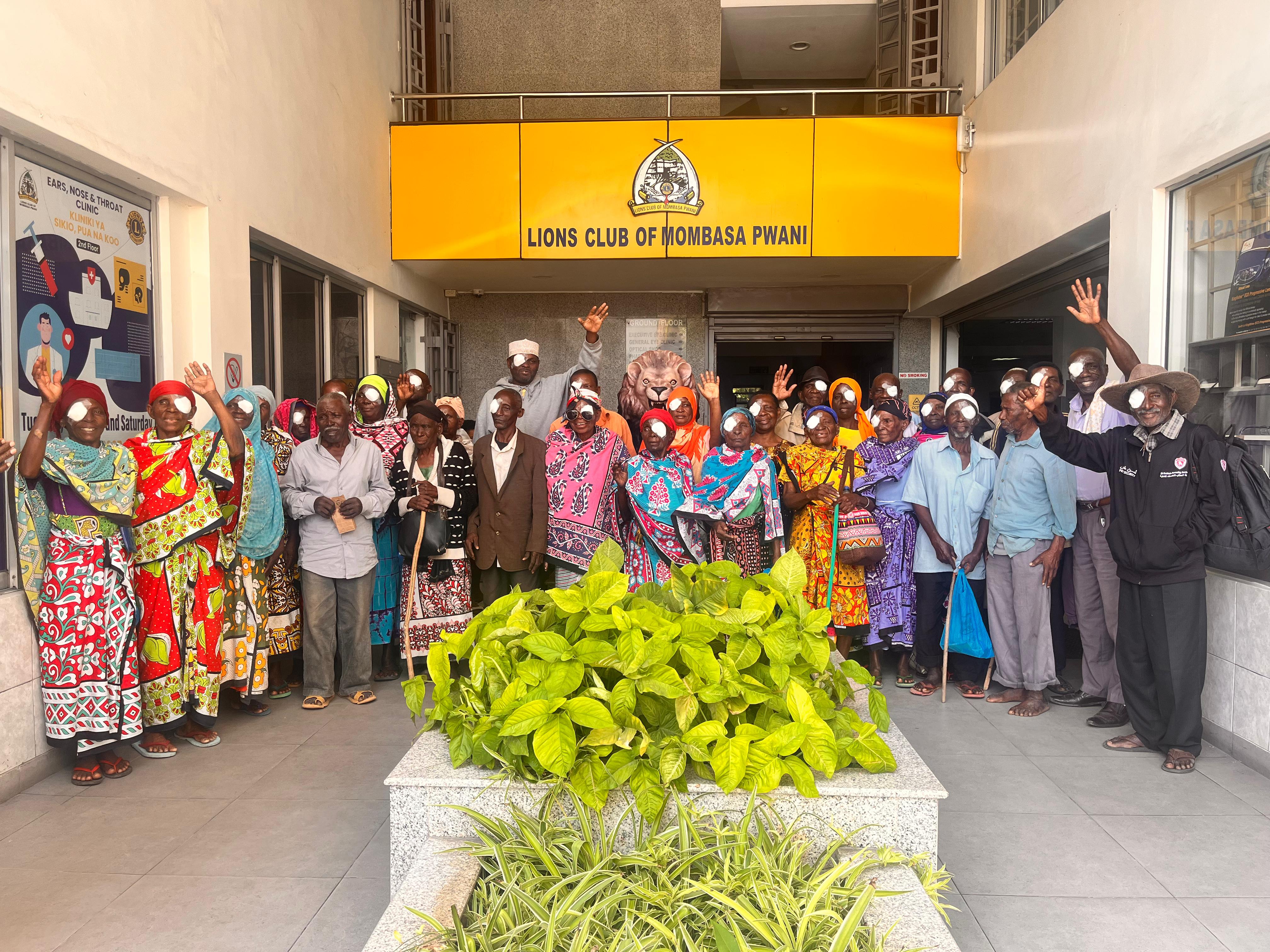
Through free Sunday eye camps and cataract surgeries at Lions Medical Centre, we restore sight, dignity, and hope to underserved communities in Kenya’s Coast region.


Read Story

Ashmita

Location: Nepal

Professional who works in eye health and development

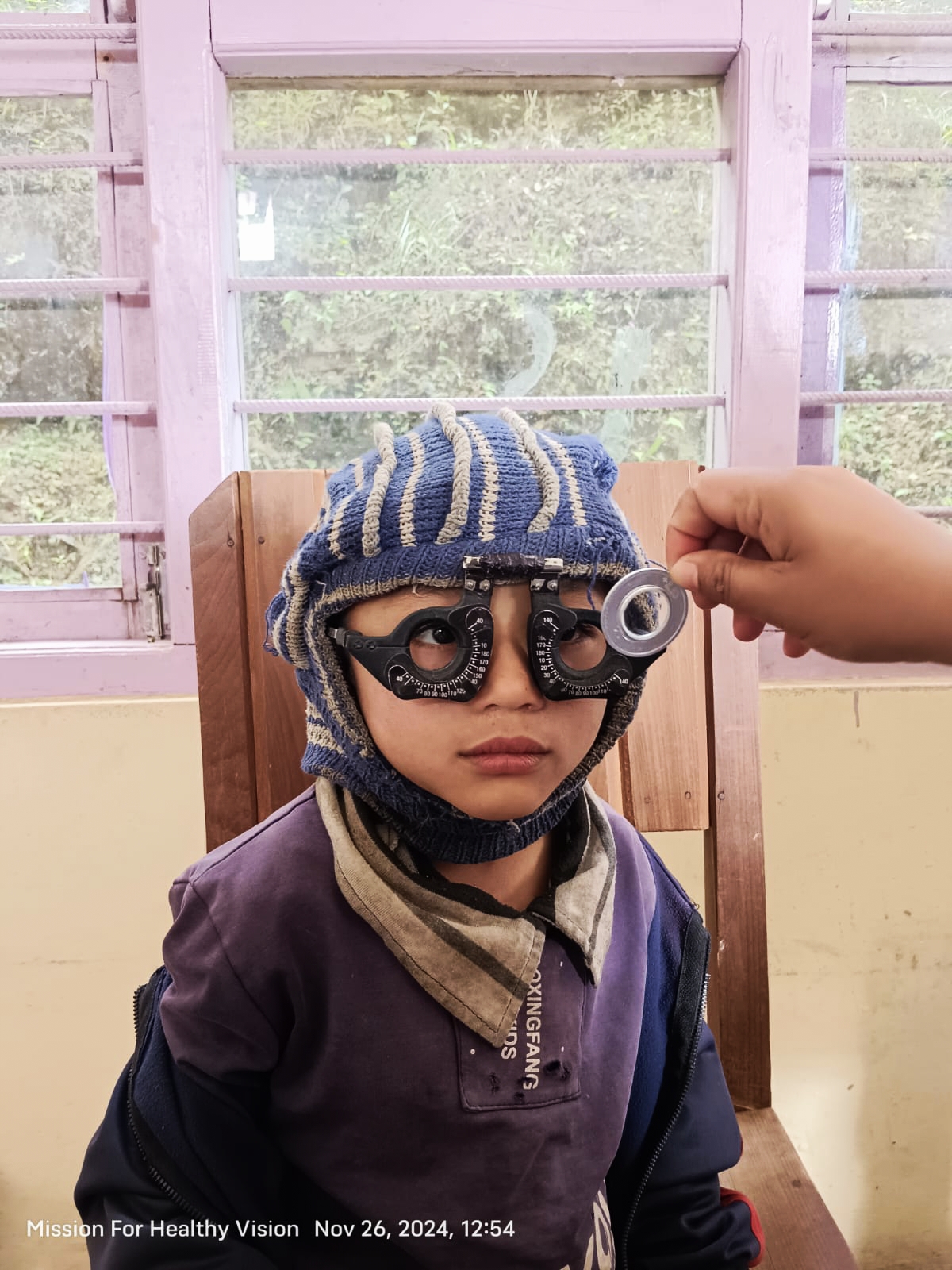
In the remote Himalayan region of Taplejung, a simple eye examination can change a child’s future. This moment reflects the urgent need for accessible eye care, where even basic vision correction can unlock learning, confidence, and opportunity for children growing up in underserved communities.


Read Story

Ram Beti

Location: India

Organisation: Peek Vision (with Dr Shroff's Charity Eye Hospital)

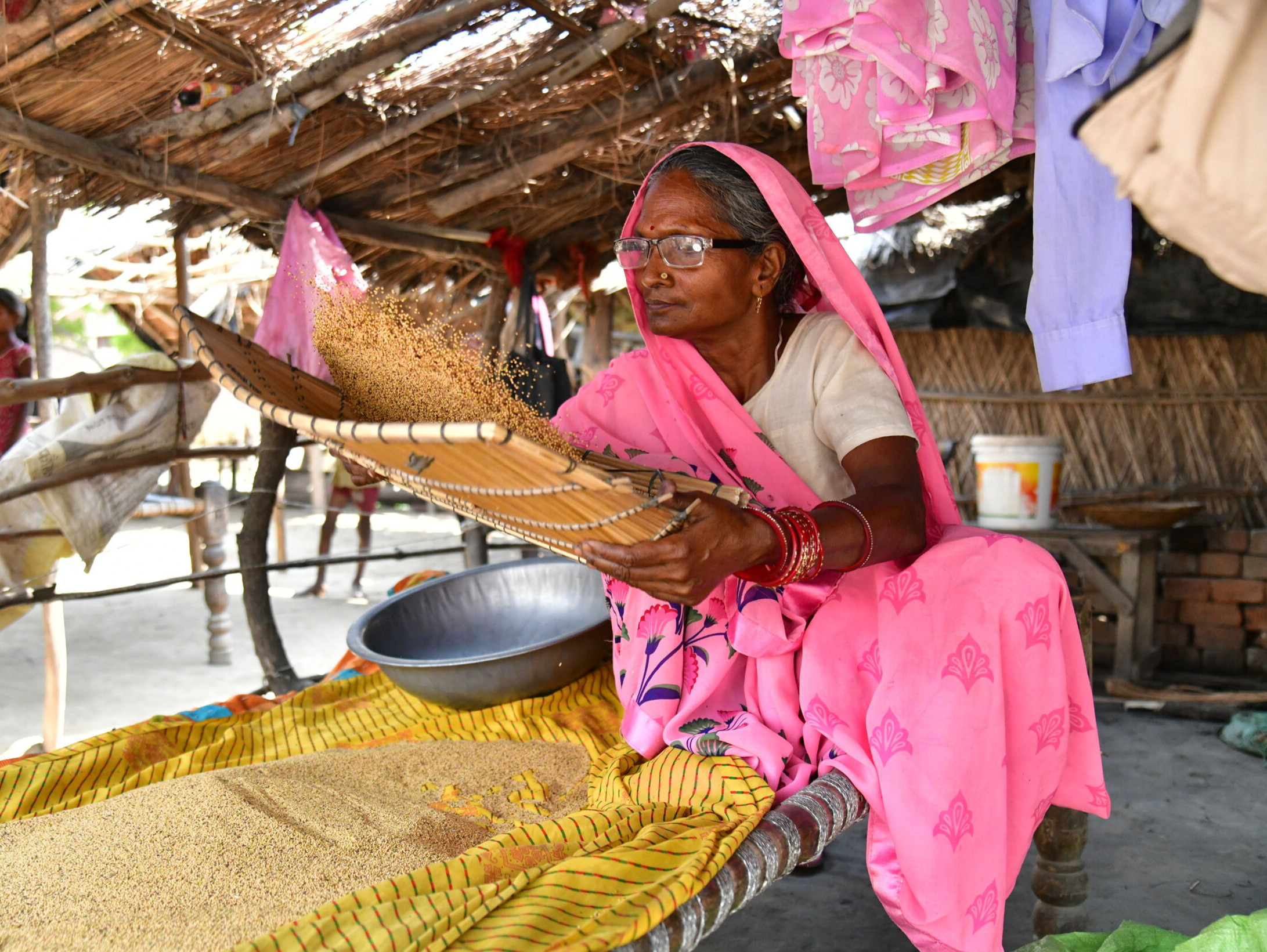
Ram Beti lives in a rural village in Uttar Pradesh, India, where she cares for her family and manages her home. Over the years, reading and household chores like sorting grain became increasingly difficult. She didn't know it was something that could be fixed.

Read Story

Mussa

Location: Tanzania

Organisation: Charity Vision

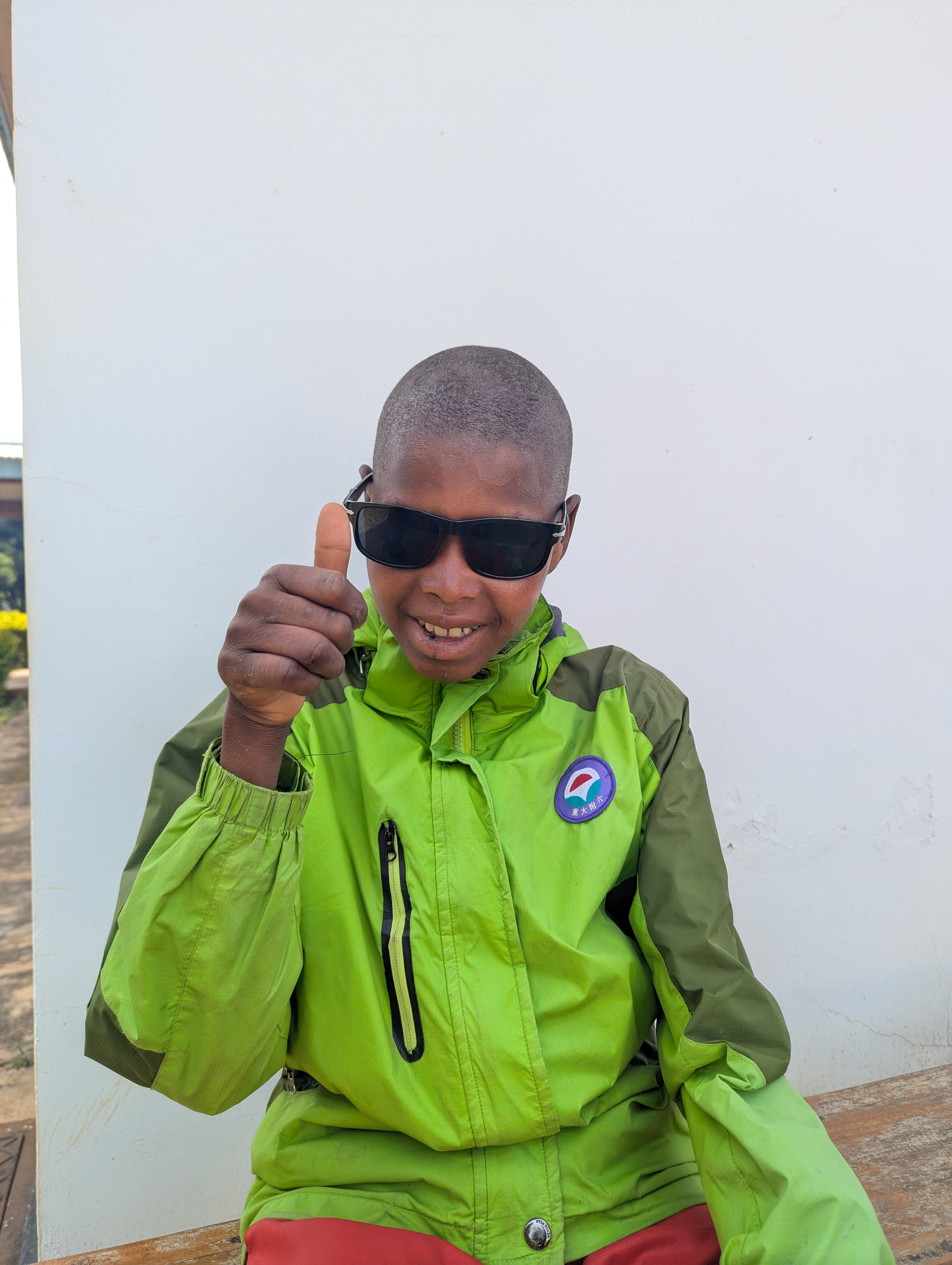
Meet Mussa, a 10-year-old boy from Tanzania. Mussa lives with his uncle and, like many children in his village, spent his days helping to feed the family’s cows. Three years ago, while out in the bush grazing cattle, Mussa was accidentally hit in the eye by a cow’s leg. What first seemed like an injury slowly turned into a traumatic cataract that severely affected his vision.

Read Story

Joshua

68-year-old cataract patient

Location: Kenya

Organisation: Cure Blindness Project

At 68, Joshua was slowly losing sight to cataracts. Little by little, the world around him became harder to see. He couldn't clearly recognize the faces of his loved ones anymore or enjoy the beautiful landscape that had always been part of his daily life. With no specialized eye care available nearby, he spent months waiting and hoping for help.

Read Story

Emefa

36-year-old cataract patient

Location: Ghana

Organisation: Cure Blindness Project

Emefa, 36, has faced more challenges than most. A devoted hairdresser and single mother, her life changed forever when her sister passed away. Without hesitation, Emefa welcomed her sister's baby into her home, becoming the sole provider for two young children.

Read Story

Odelia

10-month-old cataract patient

Location: Ghana

Organisation: Cure Blindness Project

Born premature, Odelia is small for her age and is slow to meet development milestones. Mom and baby have traveled a great distance to the Tamale Teaching Hospital in the Upper East Region of Ghana to receive care for Odelia’s congenital cataracts.

Read Story

Hussein

75-year-old cataract patient 

Location: Tanzania 

Organisation: Cure Blindness Project

Tanzanian miner Hussein, 75, had unsuccessfully sought treatment three times for his mature cataracts before arriving at a Cure Blindness Project outreach.

Read Story

Robert

65-year-old cataract patient

Location: Ghana

Organisation: Cure Blindness Project

It’s been 30 years since Ghanaian fisherman Robert remembers seeing clearly.

Read Story

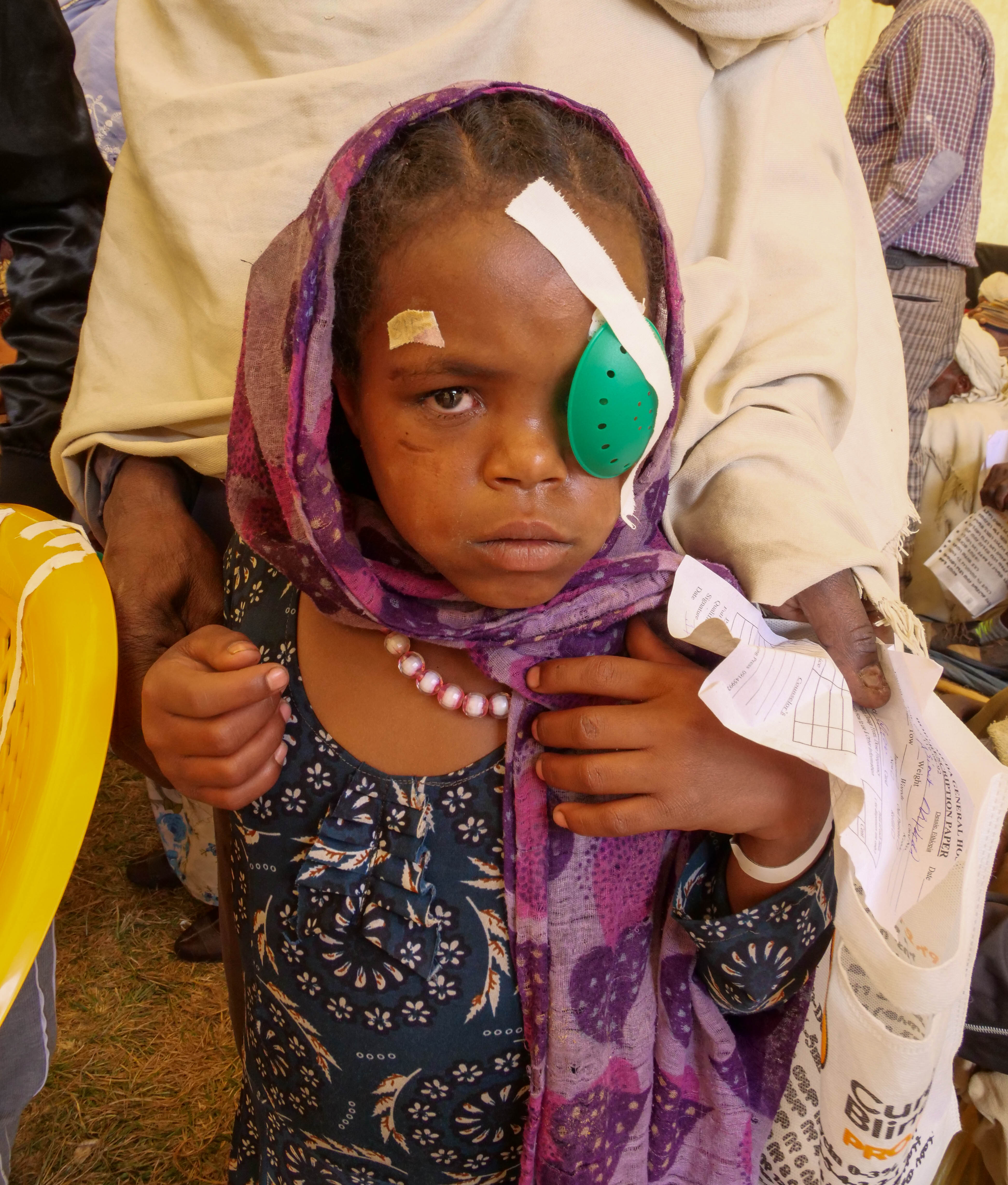
Asma

10-year-old bilaterally blind cataract patient 

Location: Ethiopia

Organisation: Cure Blindness Project

For two years, ten-year-old Asma saw her world slowly fade into darkness. Cataracts in both eyes forced her to leave Grade 2, ending school and the simple joys of childhood. “She couldn’t even find things with her eyes,” her father, Mekasha, recalled. “She searched with her hands. It was heartbreaking for all of us.”

Read Story

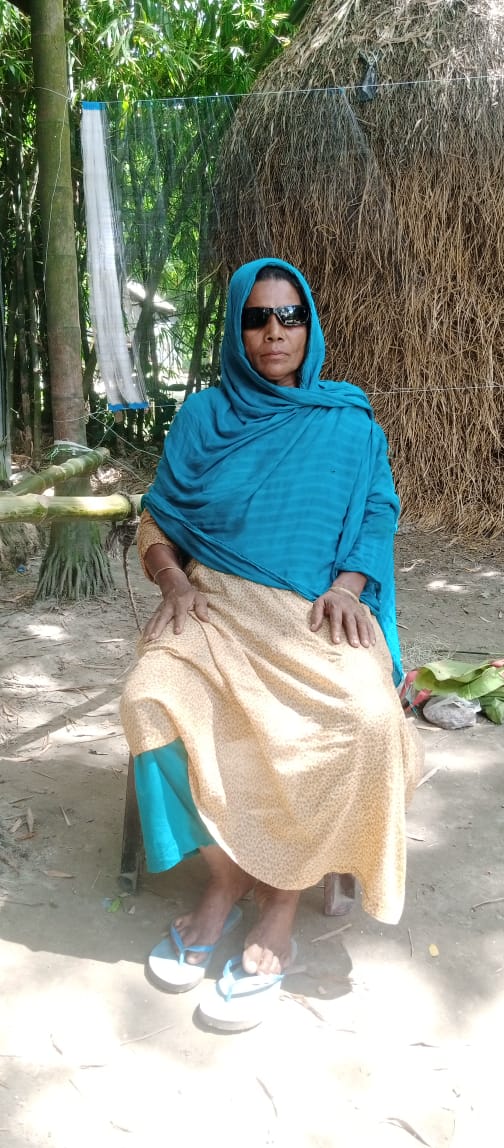
Aheza

45-year-old cataract patient

Location: Bangladesh

Organisation: Cure Blindness Project

For 45-year-old Aheza from Bangladesh, losing vision in her left eye to cataract changed everything. With a husband who relied on her, even the simplest daily tasks became overwhelming.

Read Story

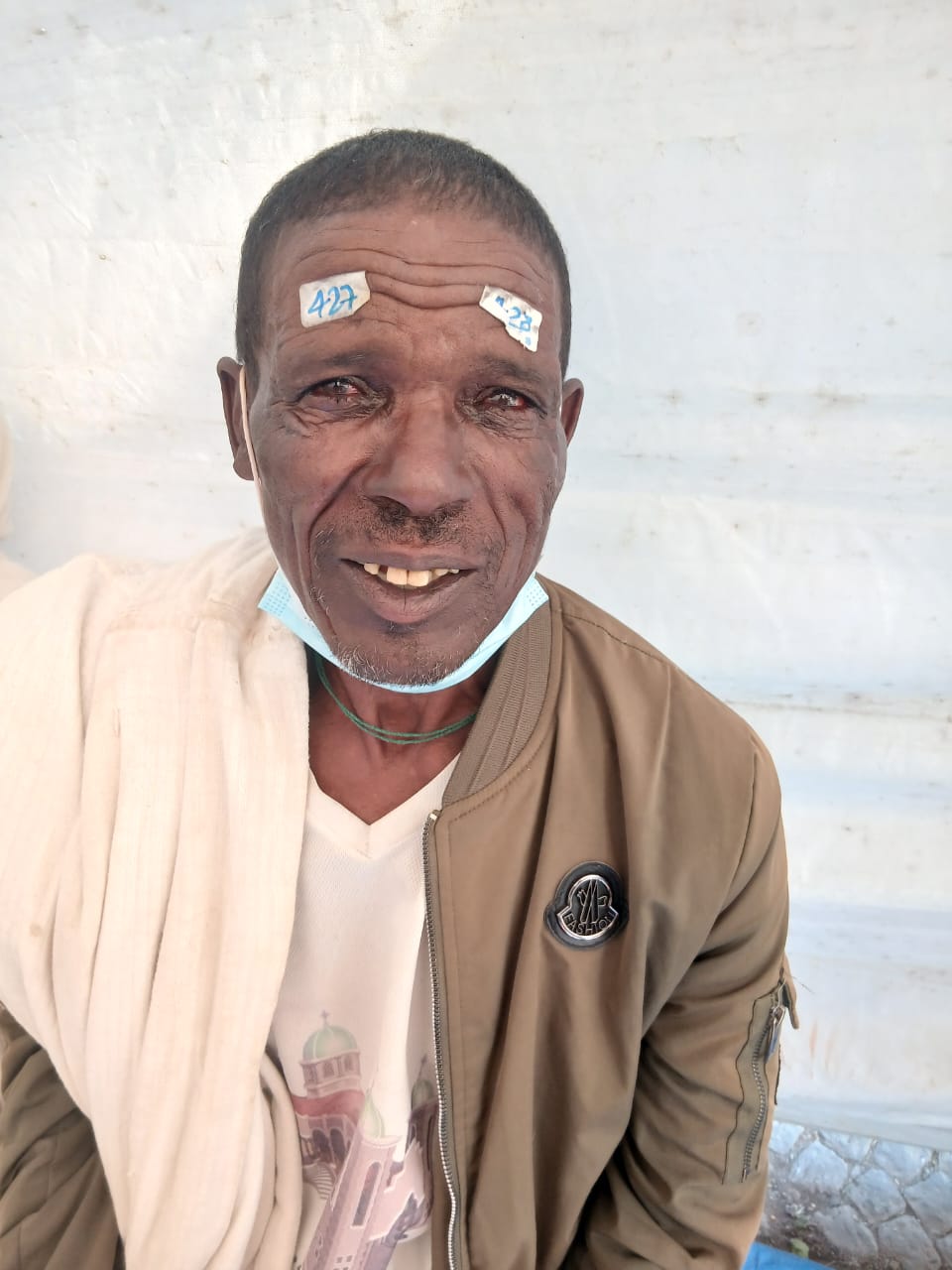
Gezachew

65-year-old farmer

Location: Ethiopia

Organisation: Cure Blindness Project

For an entire year, 65-year-old Ethiopian farmer Gezachew lived in near darkness after cataracts developed in both of his eyes.  


Read Story

Restored Vision...Restored Independence Sarah's Story

Sarah, farmer and grandmother 
Location: Kakamega County, Kenya.
Organisation: Sightsavers

When I wake up, I clean the house, wash the dishes, go to the field, then I go to the market and prepare lunch for my in-laws.


I had a problem with my eyes for the past two years. I couldn’t see very well and I was wondering what was going on. When I look at my book, I can’t see properly. When I put my credit on my phone, I can’t see properly. When I put thread on the needle I couldn’t see. That’s when I realised that my eyes have problems. I did not even go to the hospital because of my eyes. I used to feel like it was a normal thing, maybe because of my old age. 


Read Story

From My First Cataract Surgery, I Never Looked Back

Robinson, Ophthalmic Clinical Officer & Cataract Surgeon 
Location: Kakamega County, Kenya
Organisation: Sightsavers

I am a trained ophthalmic clinical officer and cataract surgeon. I work at Kakamega General Hospital in the eye department.

Growing up, I had eye issues. I was a bit disadvantaged when I was in high school. I could not do what my fellow students were able to do, [and I struggled to] see or read. And from then – when I used to visit the eye hospital – that is where I started to generate an interest in eye care. It has been awesome. 


Read Story

A Life Devoted to Sight

The Story of Nurse Constance

Location: Kakamega County

Organisation: Sightsavers

In our eye clinic, we offer services to the patients, both from [the local area] and some patients referred from other hospitals. We can attend to more than 50 patients per day. Some patients need glasses: we know now to refer to those with refractive errors so that they can be given glasses free.

Read Story

Jayden

Location: Kakamega County, Kenya.

Organisation: Sightsavers

I’m turning 12 this year. I love playing football, that’s my hobby. English is my favourite subject in school and I love it.

The first time I had [pain in] my eyes, they were just itching and [weeping]. I came and told my mum. I told her that it is very painful, but she didn’t understand. 


Read Story

Agrrey

Age: 48

Occupation: Tea Withering Troughs Mechanic

Location: Tigoni

Before attending the comprehensive eye camp, I struggled to carry out my daily duties because my vision had become blurry. Simple tasks that once felt easy started taking longer, and I often doubted myself at work.


Read Story

Mary

Age: 43

Occupation: Tea Picker

Location: Limuru

Before the eye camp, I struggled to see the tender leaves clearly. My eyes would tire quickly, and I often picked the wrong leaves, which affected my daily earnings and confidence.

Read Story

Monika Schindler-Schnitzl

Location: Austria

IAPB’s Junu Shrestha speaks to Monika Schindler-Schnitzl, Founder of Self-Help Graves' Disease/Endocrine Orbitopathy and a huge advocate for Rare Diseases. Monika’s lived experience of Thyroid Eye Disease was featured in the Seeing the Unseen Rare Diseases Policy Brief, published in November 2025 and against the backdrop of rare disease resolution at the World Health Assembly in May 2025.

The conversation explores why personal stories are essential to effective policy, what people-centred eye care truly means in practice, and how health systems can better respond to the needs of those living with rare eye conditions.

Read Story

Ashik

Location: India

Photographer: Ashik Ali

A day that reminded us vision goes far beyond sight — it’s about seeing with the heart. The children’s pure love, laughter, and strength showed us that true happiness isn’t in what we have, but in how deeply we can care, connect, and give. ❤️

Read Story
Close window

At Lions Medical Centre, we aim to bring hope to people whose lives have been quietly affected by poor vision. Every Sunday, we hold free eye camps for communities that often have little or no access to eye care. Many of the people who come to us have lived for years with cataracts, struggling to work, care for their families, or move through daily life with dignity.

What stays with me most is the moment a patient learns that their sight can be restored. When we identify those needing surgery, transport them to Lions Medical Centre, and provide free cataract operations, we are doing more than medical treatment; we are giving back independence, confidence, and hope. I have seen the relief on the faces of patients and families when vision returns, and it reminds me that sight can change everything.

This work is only possible because of donations and the generosity of partners who believe that no one should lose vision because they are poor or far from care. I share this story to show that with compassion, outreach, and support, avoidable blindness can be overcome, and lives can be transformed.

Terry

Location: Kenya

Professional who works in eye health and development

Through free Sunday eye camps and cataract surgeries at Lions Medical Centre, we restore sight, dignity, and hope to underserved communities in Kenya’s Coast region.


Close window

In this moment, a young child from the remote Himalayan region of Taplejung sits quietly during an eye examination, wearing a trial frame for the very first time. There is curiosity in those eyes—perhaps seeing the world more clearly than ever before.

In these mountainous communities, access to even basic eye care services remains a challenge. Long travel distances, difficult terrain, and limited awareness often prevent families from seeking timely eye examinations. As a result, many children grow up with uncorrected vision problems, unaware that their difficulties in learning or daily activities could be easily treated.

This image reflects more than just a screening—it represents access, awareness, and possibility. For a child like this, a simple pair of glasses can transform not only vision but also confidence, education, and future opportunities.

Through outreach programs in regions like Taplejung, we strive to bridge this gap by bringing eye care services closer to the community. Because every child, no matter how remote their home, deserves the chance to see clearly and live fully.

Ashmita

Location: Nepal

Professional who works in eye health and development

In the remote Himalayan region of Taplejung, a simple eye examination can change a child’s future. This moment reflects the urgent need for accessible eye care, where even basic vision correction can unlock learning, confidence, and opportunity for children growing up in underserved communities.


Close window

That changed when a community health worker from Dr. Shroff's Charity Eye Hospital visited her home as part of a door-to-door eye health programme. Using the Peek app, the community health worker tested Ram Beti's eyesight and referred her to a nearby vision centre. There, she received a pair of subsidised glasses to correct her near vision and help restore her independence.

“I used to have to get my sons to read everything for me, such as labels and other texts. Now I can do this and many other tasks myself, which is a relief. I think it is great that the household screening is happening in this community as it is helping to identify eye issues before they become a serious problem.”

Ram Beti

Location: India

Organisation: Peek Vision (with Dr Shroff's Charity Eye Hospital)

Ram Beti lives in a rural village in Uttar Pradesh, India, where she cares for her family and manages her home. Over the years, reading and household chores like sorting grain became increasingly difficult. She didn't know it was something that could be fixed.

Close window

As his sight worsened, Mussa could no longer see properly in class and was eventually forced to stop going to school. Life became difficult, and for years he lived without hope of seeing clearly again. Everything changed during the cataract outreach camp in Dongobesh, where Charity Vision's partners at Majay Foundation helped make sight-restoring surgery possible for children and adults in need. Today, Mussa can see again. His smile, confidence, and hope for the future have returned. He is now looking forward to going back to school and continuing his education.

Mussa

Location: Tanzania

Organisation: Charity Vision

Meet Mussa, a 10-year-old boy from Tanzania. Mussa lives with his uncle and, like many children in his village, spent his days helping to feed the family’s cows. Three years ago, while out in the bush grazing cattle, Mussa was accidentally hit in the eye by a cow’s leg. What first seemed like an injury slowly turned into a traumatic cataract that severely affected his vision.

Close window

Then something incredible happened. 

During a Cure Blindness Project-supported outreach in Kenya, Joshua received sight-restoring cataract surgery. The procedure was quick, but the impact was life-changing. Before long, he could see clearly again. 

Now, Joshua is back to enjoying the moments that matter most; seeing the smiles of his family, taking in the vibrant scenery around his home, and living with a renewed sense of independence and hope. 

With a big smile, he says, "I am happy to be able to see my family again." 

Joshua's story is a reminder that restoring sight is about so much more than vision. It's about helping people reconnect with the people they love, regain their independence, and look to the future with hope. 

Joshua

68-year-old cataract patient

Location: Kenya

Organisation: Cure Blindness Project

At 68, Joshua was slowly losing sight to cataracts. Little by little, the world around him became harder to see. He couldn't clearly recognize the faces of his loved ones anymore or enjoy the beautiful landscape that had always been part of his daily life. With no specialized eye care available nearby, he spent months waiting and hoping for help.

Close window

Then, another heartbreaking obstacle emerged. Emefa suddenly developed blurred vision in both eyes, and within weeks, she lost her sight completely. Unable to work, she could no longer support her family. The business she had built came to a standstill, and she and the children depended on the kindness of neighbors just to get by. 

Even in the darkest moments, Emefa held onto hope. 

With the opening of Cape Coast Teaching Hospital this spring, hope became reality. She underwent cataract surgery on her left eye at the new eye health center of excellence. Skilled surgeons performed the 10-minute surgery that restored her vision.  

For the first time in months, she could see again. 

"I am so excited! Thank you for everything," Emefa says. "I am looking forward to having surgery in my right eye and building my business so I can take care of my children." 

Emefa is scheduled for her second surgery soon. With her sight fully restored, she can return to the work she loves, rebuild her business, and provide a brighter, more secure future for the two children who depend on her. 

Emefa

36-year-old cataract patient

Location: Ghana

Organisation: Cure Blindness Project

Emefa, 36, has faced more challenges than most. A devoted hairdresser and single mother, her life changed forever when her sister passed away. Without hesitation, Emefa welcomed her sister's baby into her home, becoming the sole provider for two young children.

Close window

According to the World Health Organization (WHO) Report on Vision, young children with early onset severe vision impairment can experience delayed motor, language, emotional, social, and cognitive development, with lifelong consequences. Other studies show that children who can see learn twice as much as their blind classmates.  
 
“Coming here for the procedure has not been easy on my mind,” says her mother Madam Charity. “But I knew this would be an important moment in my daughter’s life.”  
 
Cure Blindness Project happily reports that today Odelia sees clearly and is back at home being doted on by her family.

Odelia

10-month-old cataract patient

Location: Ghana

Organisation: Cure Blindness Project

Born premature, Odelia is small for her age and is slow to meet development milestones. Mom and baby have traveled a great distance to the Tamale Teaching Hospital in the Upper East Region of Ghana to receive care for Odelia’s congenital cataracts.

Close window

The week-long event, in partnership with Helen Keller International and the Tanzanian Ministry of Health, performed over 1000 sight-restoring surgeries to those living in and around Mbeya.  

Hussein underwent surgery and today sees clearly.  

“I want to share a message with others who might be suffering as I did,” he says. “Do not lose hope. If cataracts or any other affliction has taken your vision, seek treatment. Vision is the most important thing in life. It brings independence, confidence, and joy.”  

Cure Blindness Project couldn’t agree more. The NGO works in more than 30 low- and middle-income countries across South Asia, sub-Saharan Africa and South America.

Hussein

75-year-old cataract patient 

Location: Tanzania 

Organisation: Cure Blindness Project

Tanzanian miner Hussein, 75, had unsuccessfully sought treatment three times for his mature cataracts before arriving at a Cure Blindness Project outreach.

Close window

“Whenever we returned from sea, I observed that it became increasingly challenging to maneuver my way without bumping into people,” he says. “It was a very unpleasant situation. To save myself from embarrassment, I would walk along the beach to work, avoiding people walking by the roads.”  

Unable to continue his job as a fisherman, Robert lived under the care of his only brother for many years. When his brother recently passed away, he was left all alone.  

A free screening led by Cure Blindness Project partner Watborg Eye Clinic diagnosed Robert’s cataracts. Shortly after he was brought to the clinic for a free surgery to remove both. 

The energy of our mission fuels medical staff and doctors on long outreach days to ensure each patient receives the same high level of attention and care. They know ten minutes in the operating room will change a patient’s life forever.

Robert

65-year-old cataract patient

Location: Ghana

Organisation: Cure Blindness Project

It’s been 30 years since Ghanaian fisherman Robert remembers seeing clearly.

Close window

Determined to help his daughter, Mekasha traveled nearly 125 kilometers from Tenta Woreda to Boru Meda Hospital in Dessie after local health workers referred them there. Through the Cure Blindness Project outreach program, Asma was screened and later received life-changing surgery for bilateral cataracts. The operation restored sight to both of her eyes. 

The change was immediate and unforgettable. Asma could finally see clearly again, walk with confidence, and smile without fear. For her father, it was the answer to countless prayers. 

“Now she will continue her education and be happy,” Mekasha said with gratitude. 

Today, Asma is looking ahead with hope. She can return to school, play with friends, and dream freely once more. What was once a future clouded by blindness is now filled with possibility. 

Asma

10-year-old bilaterally blind cataract patient 

Location: Ethiopia

Organisation: Cure Blindness Project

For two years, ten-year-old Asma saw her world slowly fade into darkness. Cataracts in both eyes forced her to leave Grade 2, ending school and the simple joys of childhood. “She couldn’t even find things with her eyes,” her father, Mekasha, recalled. “She searched with her hands. It was heartbreaking for all of us.”

Close window

“I couldn’t cook properly, clean the house, or see who was talking to me,” she said. “At meals, I’d even miss food on my own plate.” 

As her vision worsened, so did her worries. She wondered how long she could continue caring for her home and supporting her husband. 

Then hope arrived through a free eye care outreach camp organized by Quasem Foundation and supported by Cure Blindness Project. Although she was nervous, Aheza decided to go. 

“I prayed to Allah for one thing—let me see again.” 

Her prayer was answered. After successful cataract surgery, she opened her eyes and saw her husband's face clearly for the first time in a long while. 

“I laughed and cried,” she recalled. “It felt like a dream.” 

Today, Aheza has regained not only her sight but also her independence. She can cook, clean, recognize her neighbors, and confidently manage her daily life again. 

Filled with gratitude, she thanks God and the medical team who restored her vision. Her message to others is simple: “Don't ignore your eyes. Go get help.”

Aheza

45-year-old cataract patient

Location: Bangladesh

Organisation: Cure Blindness Project

For 45-year-old Aheza from Bangladesh, losing vision in her left eye to cataract changed everything. With a husband who relied on her, even the simplest daily tasks became overwhelming.

Close window

Farming had always been his life, but as his vision got worse, simple tasks became impossible. He could no longer care for his fields, harvest his crops, or provide for his family the way he once had. Losing his sight also took a toll on his confidence. As his productivity declined, financial pressures grew, and concerns about his family and what others might think kept him from seeking treatment. 

Then everything changed.

Gezachew heard about free cataract surgeries supported by Cure Blindness Project and decided to give it a chance. The surgery was a success. After months of living with blurred vision, he could finally see clearly again—the faces of his family, the land he loves, and the world around him.

Getting his sight back gave him so much more than better vision. It gave him hope. Today, Gezachew is excited to return to farming, support his family again, and enjoy the independence he thought he had lost.

His story is a beautiful reminder that restoring sight doesn't just help someone see again—it helps them regain their confidence, their livelihood, and the chance to look toward the future with hope. 


Gezachew

65-year-old farmer

Location: Ethiopia

Organisation: Cure Blindness Project

For an entire year, 65-year-old Ethiopian farmer Gezachew lived in near darkness after cataracts developed in both of his eyes.  


Close window

The person who came to check my eyes took a picture. After taking that picture, it’s him who knew that I had eye problems.


The day when I went to the hospital, they looked at my eyes and they prescribed glasses. And they asked me: “When you wear those glasses, can you see?” I told them I can see very clearly.


When I was given the glasses, I felt very good. I can take care of other things without asking for help. I am happy, and now I am not worried because my eyes can see very well and I don’t have any problem. If a person tells me they have an eye problem, I will tell them to go to the hospital and see a doctor, so that they can help her.

© Sightsavers/ Samuel Otieno


Restored Vision...Restored Independence Sarah's Story

Sarah, farmer and grandmother 
Location: Kakamega County, Kenya.
Organisation: Sightsavers

When I wake up, I clean the house, wash the dishes, go to the field, then I go to the market and prepare lunch for my in-laws.


I had a problem with my eyes for the past two years. I couldn’t see very well and I was wondering what was going on. When I look at my book, I can’t see properly. When I put my credit on my phone, I can’t see properly. When I put thread on the needle I couldn’t see. That’s when I realised that my eyes have problems. I did not even go to the hospital because of my eyes. I used to feel like it was a normal thing, maybe because of my old age. 


Close window

When I got my first case and I completed a surgery and the patient the next day was very happy, I think that was the best day of my life! 

The numbers of patients we are seeing here in the facility have really gone up because of what the community health promoters are doing within the county. Most of them are visiting the patients within the periphery and also the students in schools. And we find them the next week; they are coming in here. So when they come here, we are able to screen this person and probably pick up another condition apart from the refractive error that they’re having. So the impact is great, and we really appreciate that.  

Within the staff, we are all very positive about this programme because it has increased our numbers. When you are seeing 10 people in a day and eventually you’re able to see 20, then you need to be happy about that because you’ve increased the chances of restoring vision to people.  

I’m overwhelmed with what Sightsavers is doing within the county… in a short period of time [the project has been able] to reach out to so many people. Last week, on Thursday they saw 500 people. On Friday, they saw 300 people. Within a week you’re able to see 800, the number that we achieve here in a month. So you see, that is huge! 

I’m looking forward to a day when I’ll see this place is very big… what I want is for each and every person within the county to be able to access eye care services.

© Sightsavers/ Samuel Otieno


From My First Cataract Surgery, I Never Looked Back

Robinson, Ophthalmic Clinical Officer & Cataract Surgeon 
Location: Kakamega County, Kenya
Organisation: Sightsavers

I am a trained ophthalmic clinical officer and cataract surgeon. I work at Kakamega General Hospital in the eye department.

Growing up, I had eye issues. I was a bit disadvantaged when I was in high school. I could not do what my fellow students were able to do, [and I struggled to] see or read. And from then – when I used to visit the eye hospital – that is where I started to generate an interest in eye care. It has been awesome. 


Close window

We also conduct outreach services in the community with the help of Sightsavers. We go to the field; we tell the patient, “Come back to our clinic for a thorough examination.” They come to our clinic for further evaluation of the eye. 

What drives me, especially [working in the] eye unit? Let me tell you. We did surgery yesterday. When you do surgery, [you have] a patient who is not seeing; tomorrow the patient sees clearly. Imagine you are the happiest person: “Oh God, we did it!” This patient was blind. Now they can see. 

When you help somebody who was blind and this person can see, [they] will have a great impact on society because… they will be productive. [It’s] just improving the economy of the country. We are doing great. 

© Sightsavers/ Samuel Otieno


A Life Devoted to Sight

The Story of Nurse Constance

Location: Kakamega County

Organisation: Sightsavers

In our eye clinic, we offer services to the patients, both from [the local area] and some patients referred from other hospitals. We can attend to more than 50 patients per day. Some patients need glasses: we know now to refer to those with refractive errors so that they can be given glasses free.

Close window

I didn’t feel good. It was bad. Every morning when I woke up, they were red and they were painful.  

There was a day that I came and told my class teacher that I’m not seeing well and I want to sit in front.  

Jayden explains that a community health promoter visited his school, tested his eyes and referred him to hospital to get glasses. 

[On the day I went to hospital] I woke up early in the morning. When we got there, there were many people, so we just waited in the line. We got through to the doctors and they told my mum that I have an eye problem. They took me to a room and there were many frames, and they just told me: “Choose the frame that you like.” 

That day, I was happy! The glasses were very good. I just saw well – I can read, I can see small things. I’m just happy, I can do anything. 

© Sightsavers/ Samuel Otieno

Jayden

Location: Kakamega County, Kenya.

Organisation: Sightsavers

I’m turning 12 this year. I love playing football, that’s my hobby. English is my favourite subject in school and I love it.

The first time I had [pain in] my eyes, they were just itching and [weeping]. I came and told my mum. I told her that it is very painful, but she didn’t understand. 


Close window

The moment I received my eyeglasses and put them on, everything became clear instantly. I could see properly again and felt a new sense of confidence. 

These glasses did not just improve my vision they restored my ability to work efficiently and provide for my family with confidence. 

Agrrey

Age: 48

Occupation: Tea Withering Troughs Mechanic

Location: Tigoni

Before attending the comprehensive eye camp, I struggled to carry out my daily duties because my vision had become blurry. Simple tasks that once felt easy started taking longer, and I often doubted myself at work.


Close window

The moment I put on the eyeglasses at the camp, everything changed. The leaves, the baskets, the faces of my fellow workers, everything became clear and bright. 

I can now work faster, feel proud of the work I do. These glasses have given me more than clear sight they've given me confidence, dignity, and a better future for my family. 

Mary

Age: 43

Occupation: Tea Picker

Location: Limuru

Before the eye camp, I struggled to see the tender leaves clearly. My eyes would tire quickly, and I often picked the wrong leaves, which affected my daily earnings and confidence.

Close window

Why do you think it’s important for personal stories to sit alongside policy recommendations?

Personal stories touch where numbers and strategy papers end. They make it clear that behind every political decision stands a real person with fears, hopes, and an everyday life full of challenges. Especially in the case of rare diseases, which often remain invisible, personal experiences give those affected a voice and dignity. They create closeness, promote understanding, and remind decision-makers that good policy must not only be efficient but also humane. It is only through the interplay of personal experiences and political recommendations that what is at stake is revealed – and why action is so urgently necessary.

The World Health Assembly recently recognized rare diseases as a priority. From your perspective, why is this recognition important for people living with rare eye conditions?

For people with rare eye diseases, this recognition offers hope for the protection of their sight. Vision loss threatens independence, participation, and quality of life – the prioritization makes it clear that these fears are taken seriously and improves the path to earlier diagnosis, targeted research, and better care.

The brief calls for more people-centered approaches to eye care. In simple terms, what does “better care” mean for someone living with a rare eye disease?

“Better care” for someone living with a rare eye disease means receiving a timely and accurate diagnosis, access to appropriate treatment and support, and not having to navigate the health system alone. It also means that healthcare providers listen to patients, understand their individual needs, and actively involve them in decisions about their care.

Importantly, better care also means addressing stigma and social barriers that people with rare eye diseases often face. Vision loss or visible eye conditions can sometimes lead to misunderstanding, discrimination, or exclusion, which can affect a person’s confidence, education, employment, and participation in society.

In simple terms, better care is people-centred care, care that supports not only the medical needs of the individual but also their dignity, inclusion, and quality of life. It is about putting the person at the centre, not just the disease.

Access and affordability remain major challenges. What do you think health systems need to do to ensure people with rare eye diseases are not left behind?

Healthcare systems must ensure that people with rare eye diseases receive timely access to specialized physicians, diagnostics, and therapies. Furthermore, costs should be fairly covered to ensure treatments remain affordable. Important steps also include education, research, and the involvement of affected individuals in decision-making – so that no one is left behind, and the risk of vision loss can be reduced, thus protecting quality of life.

What is one message you hope policymakers take away after reading this brief?

I hope policymakers recognise that every decision they make to improve access to care has a real impact on people’s everyday lives. This brief is a reminder that rare eye diseases must be explicitly included within broader rare disease policies and services, so that people are not at risk of losing vision or being lost within fragmented referral pathways.

While each condition may be rare, the number of people living with rare diseases collectively is significant, and many cases of sight loss could be prevented if timely diagnosis, treatment, and care are accessible. Decisions regarding research, diagnostics, and treatment directly affect people’s quality of life, independence, and ability to participate fully in society.

My hope is that policymakers act to prioritise rare diseases within health systems and ensure equitable access to care, support, and protection of eyesight for those affected.

Monika Schindler-Schnitzl

Location: Austria

IAPB’s Junu Shrestha speaks to Monika Schindler-Schnitzl, Founder of Self-Help Graves' Disease/Endocrine Orbitopathy and a huge advocate for Rare Diseases. Monika’s lived experience of Thyroid Eye Disease was featured in the Seeing the Unseen Rare Diseases Policy Brief, published in November 2025 and against the backdrop of rare disease resolution at the World Health Assembly in May 2025.

The conversation explores why personal stories are essential to effective policy, what people-centred eye care truly means in practice, and how health systems can better respond to the needs of those living with rare eye conditions.

Close window

Love Beyond Sight

We went for a vision screening at an orphanage — and every moment there touched our hearts deeply.

Looking up from the ground to the sky, it felt like heaven was right there in front of us.

A group of little angels, reaching out not for gifts or toys, but simply for love. Their laughter, their games, even their little arguments filled our hearts and ears with warmth. There were voices that had gone unheard for so long… yet so full of life and hope.

We got to know each child personally, shared their smiles, and even ate the food they offered us with innocent joy. When it was time to leave, many eyes filled with tears.

On the way back, thoughts kept flowing — “If there’s another life, may I be reborn as one of them… in a world unseen by most, where love is pure and unconditional.”

We, who have everything, sometimes forget the value of it all. For these children, even a gentle touch or a visit means the world — because, for them, that’s what love, a parent’s warmth, truly feels like. ❤️

Ashik

Location: India

Photographer: Ashik Ali

A day that reminded us vision goes far beyond sight — it’s about seeing with the heart. The children’s pure love, laughter, and strength showed us that true happiness isn’t in what we have, but in how deeply we can care, connect, and give. ❤️

Stay in touch

Receive all the latest news, webinars, updates, events and more right to your inbox. 

Join our Mailing List