
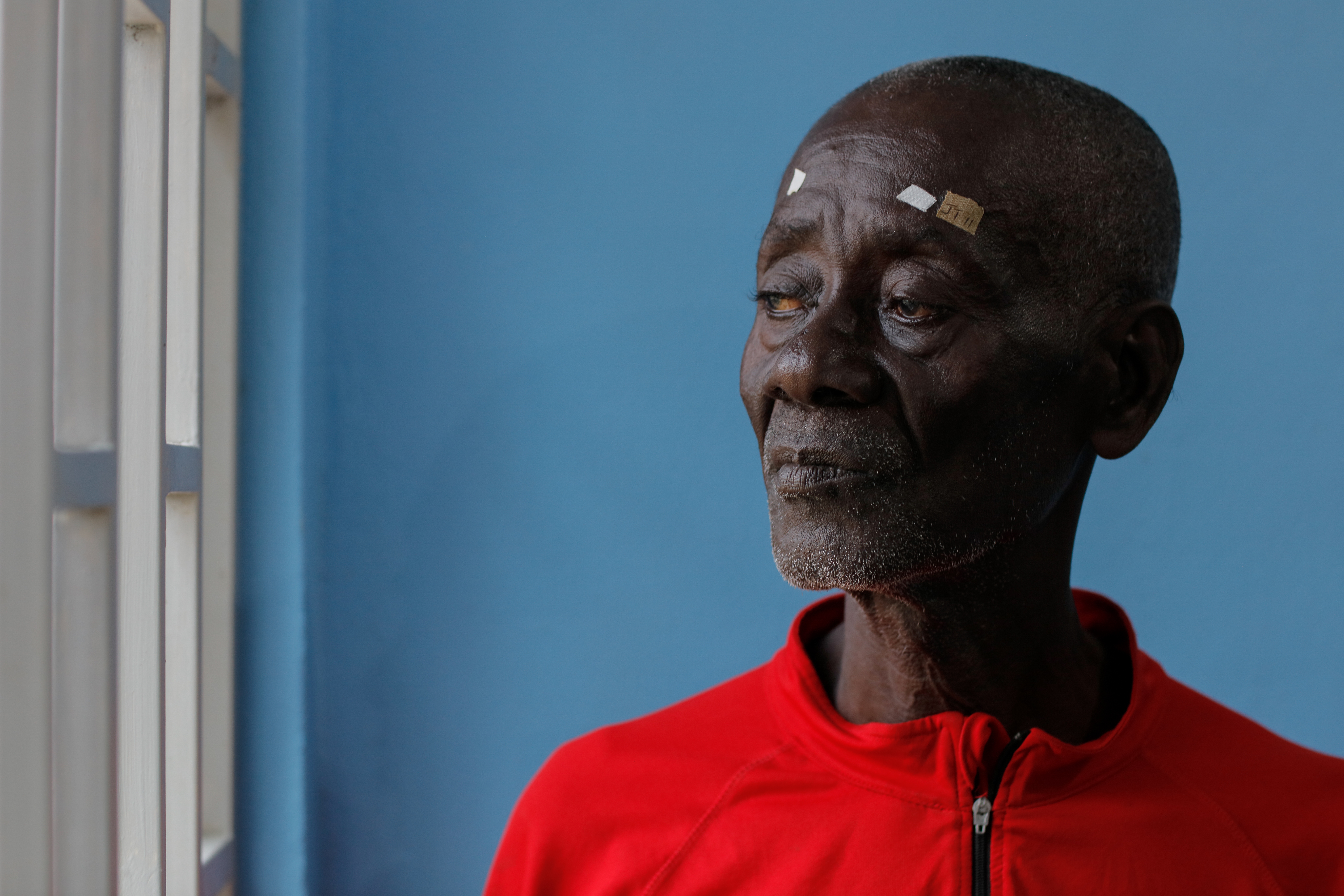
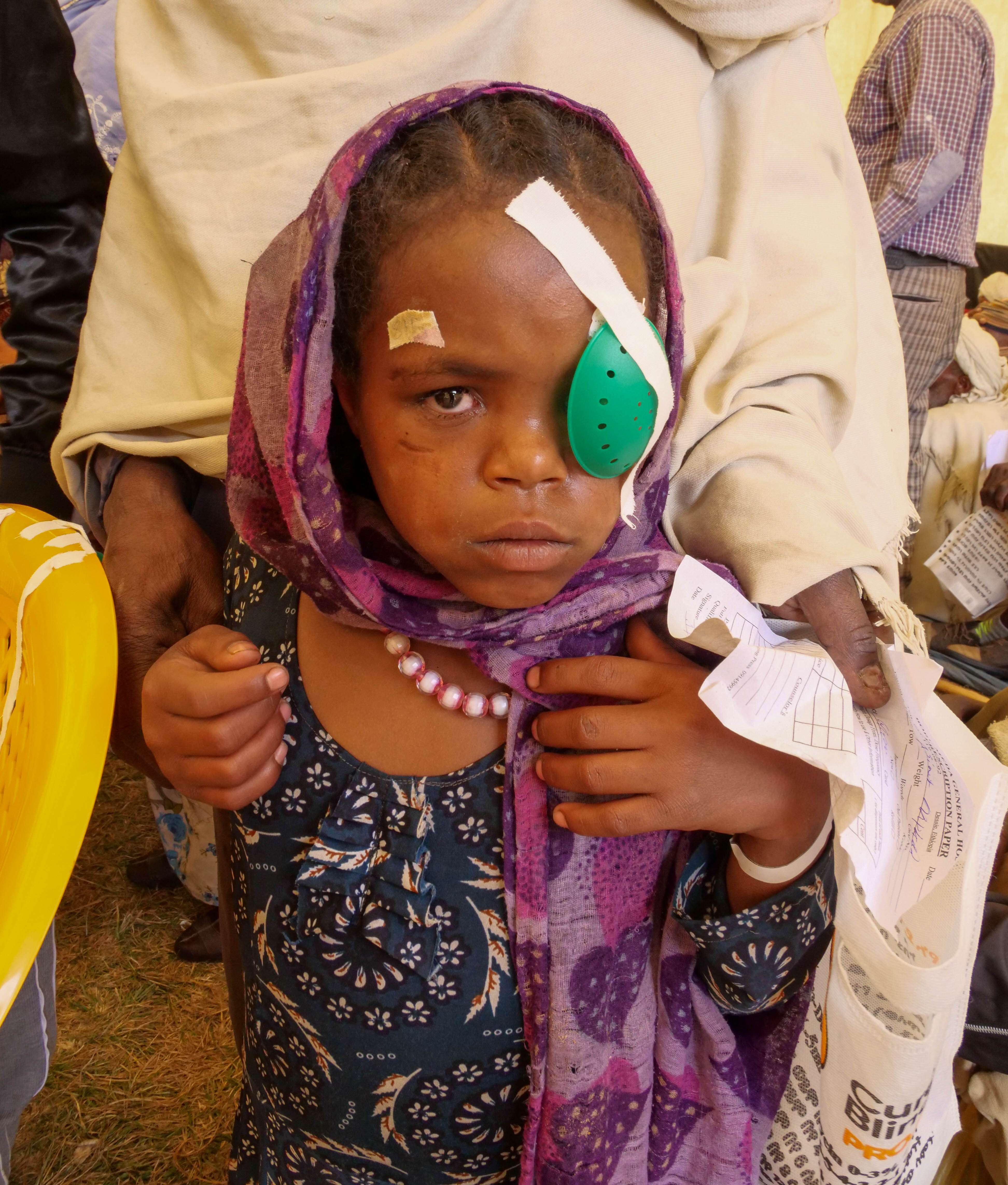
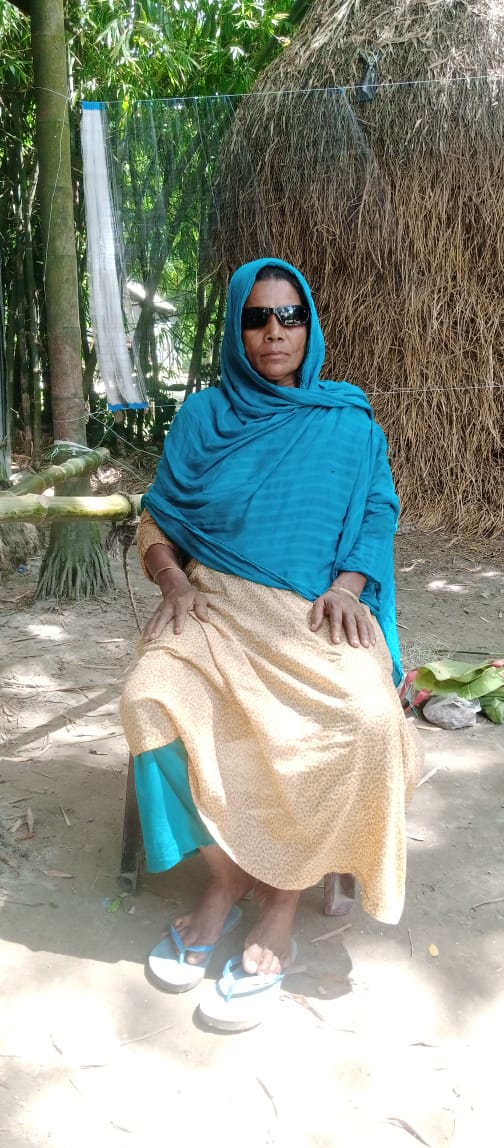
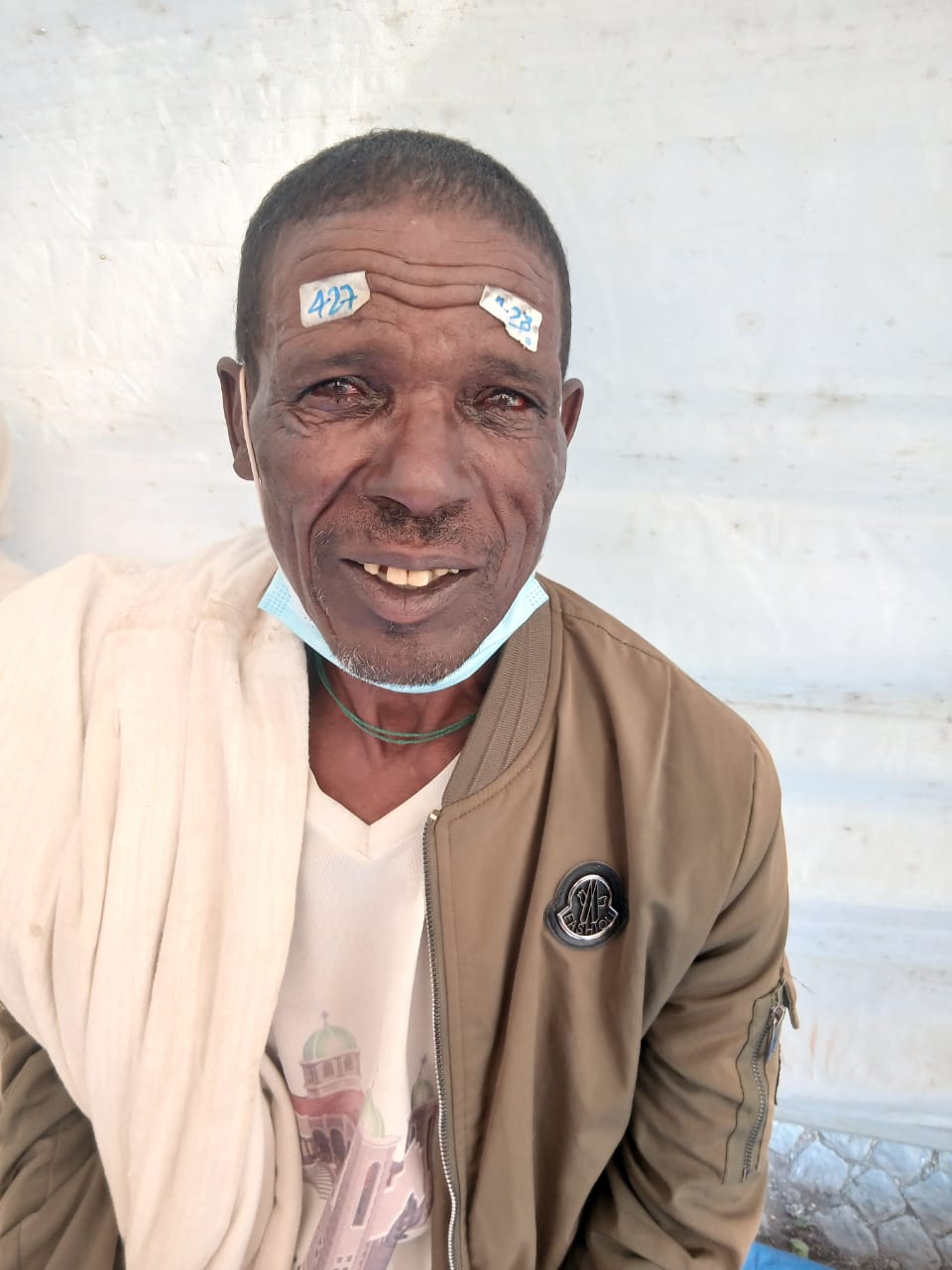
Unique stories to inspire everyone to #LOVEYOUREYES

Monika Schindler-Schnitzl

Location: Austria

IAPB’s Junu Shrestha speaks to Monika Schindler-Schnitzl, Founder of Self-Help Graves' Disease/Endocrine Orbitopathy and a huge advocate for Rare Diseases. Monika’s lived experience of Thyroid Eye Disease was featured in the Seeing the Unseen Rare Diseases Policy Brief, published in November 2025 and against the backdrop of rare disease resolution at the World Health Assembly in May 2025.

The conversation explores why personal stories are essential to effective policy, what people-centred eye care truly means in practice, and how health systems can better respond to the needs of those living with rare eye conditions.

Read Story

Ashik

Location: India

Photographer: Ashik Ali

A day that reminded us vision goes far beyond sight — it’s about seeing with the heart. The children’s pure love, laughter, and strength showed us that true happiness isn’t in what we have, but in how deeply we can care, connect, and give. ❤️


Read Story

Le Thi

Organisation:Vision Spring

Location: Vietnam

Photographer: Anh Le Thi Hoang


Factory worker Le Thi Hiu, 51, assumed her declining vision was just aging. A free workplace screening through VisionSpring revealed presbyopia and provided her with reading glasses—restoring her independence at work and enabling her to help her grandson with homework as her family's sole breadwinner.

Read Story

Ziaul

Organisation:Vision Spring

Location: Bangladesh

Photographer: Amirul Islam Bappy

After a workplace accident caused by declining vision cost him a finger, retired agricultural officer Ziaul Haque discovered that eyeglasses aren't just tools, they're lifelines. Now 67, his glasses enable him to read, teach his grandson, and live independently in retirement.

Read Story

Mohammed

Organisation:Fred Hollows

Location: Bangladesh

Photographer: Al Amin

For decades, 65-year-old rickshaw puller Mohammed Ali worked tirelessly to support his family until poor vision left him helpless. At a World Sight Day camp by Mazharul Haque BNSB Eye Hospital, supported by The Fred Hollows Foundation and ANCP, a simple pair of glasses restored his sight, independence, and hope.
Read Story

Emily

Location: United Kingdom
Photographer: Kathryn Porter

Finding out Emily's vision was impaired was worrying and upsetting as we did not know what to expect.  But the staff at the Royal Gwent Hospital were amazing, explaining everything and helping our girl achieve the best vision she could! 

Read Story

Oladunjoye Sowemimo

Organisation: Eye Foundation Hospital
Location: Nigeria

Mr. Sowemimo is a staff member at Eye Foundation Hospital and has undergone an eye surgery in the hospital

Read Story

Ada Kalu

Organisation: Eye Foundation Hospital
Location: Nigeria

Mrs. Halima Bogunjoko is the General Manager of Operations at the Eye Foundation Hospital

Read Story

Halima Bogunjoko

Organisation: Eye Foundation Hospital
Location: Nigeria

Mrs. Halima Bogunjoko is the General Manager of Operations at the Eye Foundation Hospital

Read Story

Margaret Oshionebo

Organisation: Eye Foundation Hospital
Location: Nigeria

Mrs. Oshieonebo is a glaucoma patient at Eye Foundation Hospital

Read Story

Johnson Omagara

Organisation: Eye Foundation Hospital
Location: Nigeria

Mr. John Omagara is a Glaucoma patient at Eye Foundation Hospital.

Read Story

Abiodun Ayinla

Organisation: Eye Foundation Hospital
Location: Nigeria

Mr. Ayinla was a former employee and remains a patient at Eye Foundation Hospital

Read Story

Olufemi Oderinlo

Organisaiton: Eye Foundation Hospital
Location: Nigeria

Dr Olufemi Oderinlo is a senior consultant ophthalmologist and vitreoretinal surgeon at the Eye Foundation Hospital. He has performed several successful eye surgeries.

Read Story

Feyidamilola Hassan-Oyewumi

Organisation: Eye Foundation Hospital
Location: Nigeria

Dr. Feyidamilola Hassan Oyewumi is an ophthalmologist and Surgeon at Eye Foundation Hospital, Nigeria. She has had a firsthand experience of eye surgery, even as a surgeon.

Read Story

Olayemi Runsewe

Organisation: Eye Foundation Hospital
Location: Nigeria

A career decision made from curiosity about the post-surgery experience.

Read Story

Benson Fayehun

Organisation: Eye Foundation Hospital
Location: Nigeria

A mission birthed from firsthand experience of lack of access to basic healthcare, especially eye care services.

Read Story

Becky Agbaje

Organisation: Eye Foundation Hospital
Location: Nigeria

A career decision made by fascination with successful eye surgeries.

Read Story

Jamie Garlett

Location: Australia
Photographer: Mykala Nelson

"I may have lost my sight, but I found my vision. Through music and culture, I live my dreams and show others that blindness doesn’t mean the end—it’s a new beginning. Every note I play is proof that you can rise, lead, and inspire—no matter what."
Read Story

Lia Marmelstein

Organisation: Eye Care Foundation
Location: Netherlands

I took photos of the 90 participants for the Eye Care Foundation. Their enthusiasm and motivation to walk for a good cause were enormous.

Read Story

Allison Bartnick

Organisation: World Council of Optometry
Location: USA

Working for the World Council of Optometry has deepened my appreciation for the importance of protecting my vision, and reminded me how fortunate I am to have access to quality eye care.

Read Story
Close window

Why do you think it’s important for personal stories to sit alongside policy recommendations?

Personal stories touch where numbers and strategy papers end. They make it clear that behind every political decision stands a real person with fears, hopes, and an everyday life full of challenges. Especially in the case of rare diseases, which often remain invisible, personal experiences give those affected a voice and dignity. They create closeness, promote understanding, and remind decision-makers that good policy must not only be efficient but also humane. It is only through the interplay of personal experiences and political recommendations that what is at stake is revealed – and why action is so urgently necessary.

The World Health Assembly recently recognized rare diseases as a priority. From your perspective, why is this recognition important for people living with rare eye conditions?

For people with rare eye diseases, this recognition offers hope for the protection of their sight. Vision loss threatens independence, participation, and quality of life – the prioritization makes it clear that these fears are taken seriously and improves the path to earlier diagnosis, targeted research, and better care.

The brief calls for more people-centered approaches to eye care. In simple terms, what does “better care” mean for someone living with a rare eye disease?

“Better care” for someone living with a rare eye disease means receiving a timely and accurate diagnosis, access to appropriate treatment and support, and not having to navigate the health system alone. It also means that healthcare providers listen to patients, understand their individual needs, and actively involve them in decisions about their care.

Importantly, better care also means addressing stigma and social barriers that people with rare eye diseases often face. Vision loss or visible eye conditions can sometimes lead to misunderstanding, discrimination, or exclusion, which can affect a person’s confidence, education, employment, and participation in society.

In simple terms, better care is people-centred care, care that supports not only the medical needs of the individual but also their dignity, inclusion, and quality of life. It is about putting the person at the centre, not just the disease.

Access and affordability remain major challenges. What do you think health systems need to do to ensure people with rare eye diseases are not left behind?

Healthcare systems must ensure that people with rare eye diseases receive timely access to specialized physicians, diagnostics, and therapies. Furthermore, costs should be fairly covered to ensure treatments remain affordable. Important steps also include education, research, and the involvement of affected individuals in decision-making – so that no one is left behind, and the risk of vision loss can be reduced, thus protecting quality of life.

What is one message you hope policymakers take away after reading this brief?

I hope policymakers recognise that every decision they make to improve access to care has a real impact on people’s everyday lives. This brief is a reminder that rare eye diseases must be explicitly included within broader rare disease policies and services, so that people are not at risk of losing vision or being lost within fragmented referral pathways.

While each condition may be rare, the number of people living with rare diseases collectively is significant, and many cases of sight loss could be prevented if timely diagnosis, treatment, and care are accessible. Decisions regarding research, diagnostics, and treatment directly affect people’s quality of life, independence, and ability to participate fully in society.

My hope is that policymakers act to prioritise rare diseases within health systems and ensure equitable access to care, support, and protection of eyesight for those affected.

Monika Schindler-Schnitzl

Location: Austria

IAPB’s Junu Shrestha speaks to Monika Schindler-Schnitzl, Founder of Self-Help Graves' Disease/Endocrine Orbitopathy and a huge advocate for Rare Diseases. Monika’s lived experience of Thyroid Eye Disease was featured in the Seeing the Unseen Rare Diseases Policy Brief, published in November 2025 and against the backdrop of rare disease resolution at the World Health Assembly in May 2025.

The conversation explores why personal stories are essential to effective policy, what people-centred eye care truly means in practice, and how health systems can better respond to the needs of those living with rare eye conditions.

Close window

Love Beyond Sight

We went for a vision screening at an orphanage — and every moment there touched our hearts deeply.

Looking up from the ground to the sky, it felt like heaven was right there in front of us.

A group of little angels, reaching out not for gifts or toys, but simply for love. Their laughter, their games, even their little arguments filled our hearts and ears with warmth. There were voices that had gone unheard for so long… yet so full of life and hope.

We got to know each child personally, shared their smiles, and even ate the food they offered us with innocent joy. When it was time to leave, many eyes filled with tears.

On the way back, thoughts kept flowing — “If there’s another life, may I be reborn as one of them… in a world unseen by most, where love is pure and unconditional.”

We, who have everything, sometimes forget the value of it all. For these children, even a gentle touch or a visit means the world — because, for them, that’s what love, a parent’s warmth, truly feels like. ❤️

Ashik

Location: India

Photographer: Ashik Ali

A day that reminded us vision goes far beyond sight — it’s about seeing with the heart. The children’s pure love, laughter, and strength showed us that true happiness isn’t in what we have, but in how deeply we can care, connect, and give. ❤️


Close window
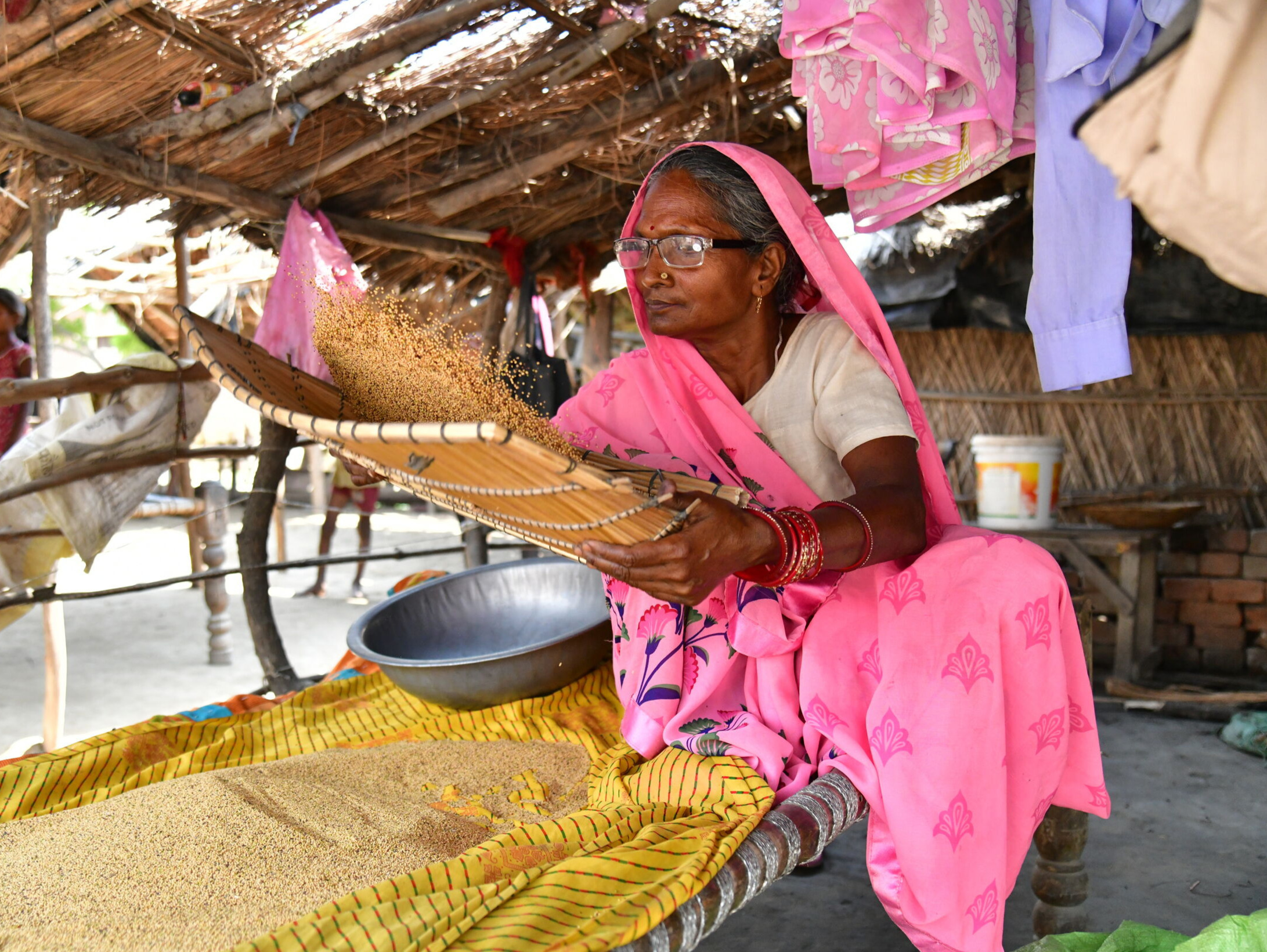
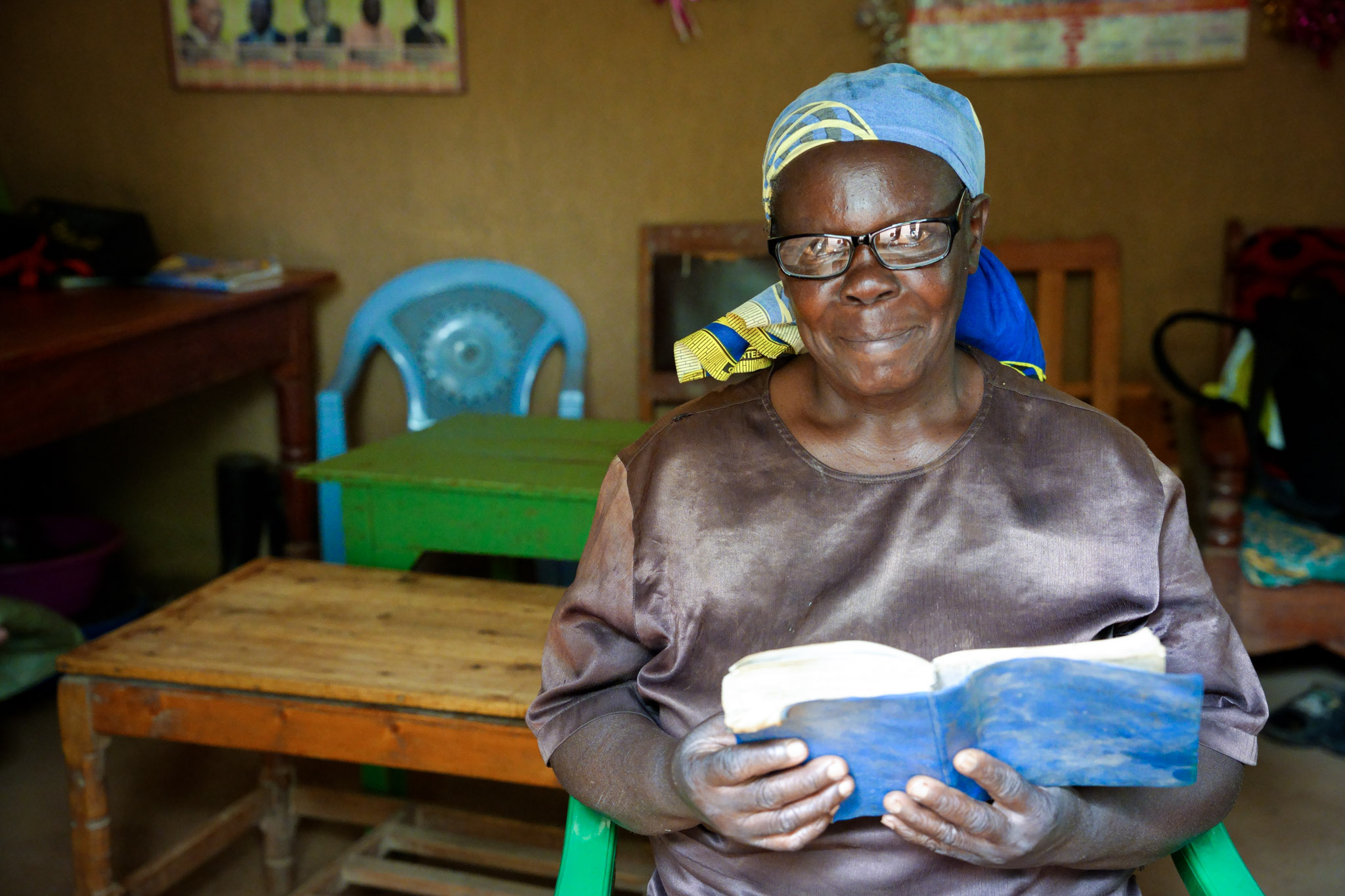
By August 2025, Le Thi Hiu will have completed 12 years working at  Regent Garment Factory in Hai Duong, packaging and labelling products.
For three years, her eyesight had gradually deteriorated—a thin film seemed to cover her eyes constantly. Though aware her vision was weakening, she never planned to see a doctor. "I'm already 51, so I just thought poor eyesight was a normal part of getting older," she explained.

When her company announced free eye screening through VisionSpring's Clear Vision Workplaces program, she finally had her chance. She learned presbyopia was causing her blurry vision, and received +2.00 reading glasses.

"Without glasses, small text just blurs together. I often relied on younger colleagues to read tiny letters on clothing tags. Not anymore—now I can read everything myself."
At home, her life is simple but full. Her husband, unable to work after a motorbike accident, cares for their grandson while she serves as the family's main breadwinner. "His parents work late shifts, so they asked me to help him practice writing. But my vision was so poor, I couldn't see what he wrote. Now I can see each letter clearly. For me, having clear vision means having everything."

Le Thi

Organisation:Vision Spring

Location: Vietnam

Photographer: Anh Le Thi Hoang


Factory worker Le Thi Hiu, 51, assumed her declining vision was just aging. A free workplace screening through VisionSpring revealed presbyopia and provided her with reading glasses—restoring her independence at work and enabling her to help her grandson with homework as her family's sole breadwinner.

Close window

Ziaul Haque, a retired 67-year old government officer, doesn't call his eyeglasses an accessory. He calls them a lifeline.

For 34 years, Ziaul worked with Bangladesh's Department of Agricultural Extension, helping farmers adopt better techniques and fight crop loss. "I saw the land change, and I saw people change," he says. "But I didn't see my own vision fading - until it changed my life forever."

Twenty-eight years ago, while preparing tools at a project site, Ziaul's blurry vision betrayed him. 

He misjudged the distance and lost a finger on his right hand. "It was a stupid mistake," he says softly. "But it was also my wake-up call." Since then, Ziaul has worn glasses every day. "They became my closest companion. Not just to read or write, but to live."

Now retired in a quiet village near Jamalpur, Ziaul begins each day with tea and a newspaper. In the afternoons, he helps his youngest grandson with school lessons. 

"He reads slowly; I read with him. That time together, it's everything." "I've lost a finger, I've left my job, I've aged," he says, "but with these glasses, I haven't lost myself."

Ziaul

Organisation:Vision Spring

Location: Bangladesh

Photographer: Amirul Islam Bappy

After a workplace accident caused by declining vision cost him a finger, retired agricultural officer Ziaul Haque discovered that eyeglasses aren't just tools, they're lifelines. Now 67, his glasses enable him to read, teach his grandson, and live independently in retirement.

Close window

For over 40 years, Mohammed Ali, a 65-year-old rickshaw puller from Jamtola, Chandpur Sadar, pedaled rickshaw through sun and rain to feed his family. Every turn of his rickshaw’s wheel carried the weight of love for his two daughters and son, and the strength of a man who never gave up.
Six months ago, his world began to fade. His vision dimmed, and with it, his ability to earn. The man who once moved with purpose now struggled to find his way. His meager income could barely keep food on the table, let alone afford a doctor’s visit.
Then came a moment of hope. During World Sight Day, Mazharul Haque BNSB Eye Hospital held a special eye camp for drivers and rickshaw pullers. With quiet determination, Mohammed Ali made his way there. After a simple eye exam, doctors diagnosed him with a refractive error and provided him with spectacles.
When he put them on, everything changed. The world came rushing back in color and clarity. Tears welled in his eyes, not from sadness but from joy. He thanked The Fred Hollows Foundation, ANCP, and Mazharul Haque BNSB Eye Hospital for restoring his sight, dignity, and independence. 

Mohammed

Organisation:Fred Hollows

Location: Bangladesh

Photographer: Al Amin

For decades, 65-year-old rickshaw puller Mohammed Ali worked tirelessly to support his family until poor vision left him helpless. At a World Sight Day camp by Mazharul Haque BNSB Eye Hospital, supported by The Fred Hollows Foundation and ANCP, a simple pair of glasses restored his sight, independence, and hope.
Close window

When Emily turned 2 years old, we noticed her left eye was turned inwards.   We were quickly referred to the Royal Gwent Hospital where head Orthoptist, Nicola Turner, assessed Emily's vision and identified the need for Emily to wear glasses and patch her right eye to try to strengthen the muscles in her left eye.  We were lucky that Emily loved her glasses and wore them without too much of a fight.  But the first few days of patching were tough.  Emily struggled with having her "good eye" taken away from her and was too young to understand the importance of doing so.  With Nicola's support and encouragement, Emily persevered and after 6 months of patching, her eyes had strengthened and improved significantly and she was able to stop patching.  Enily was invited to the department's "Patch Party" where she could meet and play with other children that were also patching, which helped immensely.  The team kept a close eye on Emily for the next 2 years to ensure there was no regression and Emily has now been discharged from their care, much to her disappointment as she loved going to see them! 

Emily

Location: United Kingdom
Photographer: Kathryn Porter

Finding out Emily's vision was impaired was worrying and upsetting as we did not know what to expect.  But the staff at the Royal Gwent Hospital were amazing, explaining everything and helping our girl achieve the best vision she could! 

Close window

Mr. Sowemimo is a staff member at Eye Foundation Hospital and has undergone an eye surgery in the hospital

Oladunjoye Sowemimo

Organisation: Eye Foundation Hospital
Location: Nigeria

Mr. Sowemimo is a staff member at Eye Foundation Hospital and has undergone an eye surgery in the hospital

Close window

Mrs. Halima Bogunjoko is the General Manager of Operations at the Eye Foundation Hospital

Ada Kalu

Organisation: Eye Foundation Hospital
Location: Nigeria

Mrs. Halima Bogunjoko is the General Manager of Operations at the Eye Foundation Hospital

Close window

Mrs. Halima Bogunjoko is the General Manager of Operations at the Eye Foundation Hospital

Halima Bogunjoko

Organisation: Eye Foundation Hospital
Location: Nigeria

Mrs. Halima Bogunjoko is the General Manager of Operations at the Eye Foundation Hospital

Close window

Mrs. Oshieonebo is a glaucoma patient at Eye Foundation Hospital

Margaret Oshionebo

Organisation: Eye Foundation Hospital
Location: Nigeria

Mrs. Oshieonebo is a glaucoma patient at Eye Foundation Hospital

Close window

Mr. John Omagara is a Glaucoma patient at Eye Foundation Hospital.

Johnson Omagara

Organisation: Eye Foundation Hospital
Location: Nigeria

Mr. John Omagara is a Glaucoma patient at Eye Foundation Hospital.

Close window

Mr. Ayinla was a former employee and remains a patient at Eye Foundation Hospital

Abiodun Ayinla

Organisation: Eye Foundation Hospital
Location: Nigeria

Mr. Ayinla was a former employee and remains a patient at Eye Foundation Hospital

Close window

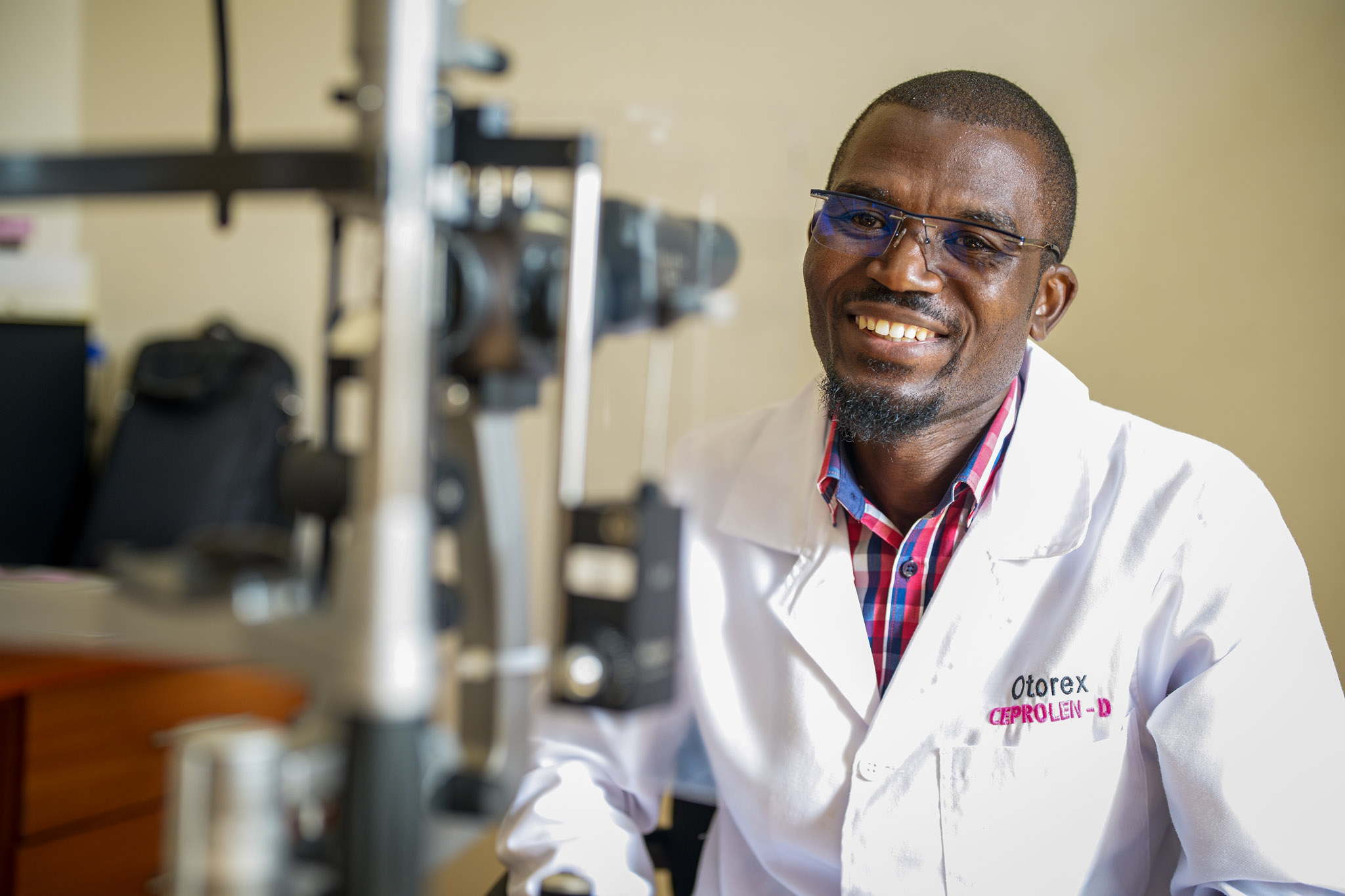
Dr Olufemi Oderinlo is a senior consultant ophthalmologist and vitreoretinal surgeon at the Eye Foundation Hospital. He has performed several successful eye surgeries.

Olufemi Oderinlo

Organisaiton: Eye Foundation Hospital
Location: Nigeria

Dr Olufemi Oderinlo is a senior consultant ophthalmologist and vitreoretinal surgeon at the Eye Foundation Hospital. He has performed several successful eye surgeries.

Close window

Dr. Feyidamilola Hassan Oyewumi is an ophthalmologist and Surgeon at Eye Foundation Hospital, Nigeria. She has had a firsthand experience of eye surgery, even as a surgeon.

Feyidamilola Hassan-Oyewumi

Organisation: Eye Foundation Hospital
Location: Nigeria

Dr. Feyidamilola Hassan Oyewumi is an ophthalmologist and Surgeon at Eye Foundation Hospital, Nigeria. She has had a firsthand experience of eye surgery, even as a surgeon.

Close window

Miss Olayemi Runsewe is a Certified Ophthalmic Technician at Eye Foundation Hospital, Nigeria.

Olayemi Runsewe

Organisation: Eye Foundation Hospital
Location: Nigeria

A career decision made from curiosity about the post-surgery experience.

Close window

Mr. Benson Fayehun is the president of the Relief for Human Suffering Foundation, an advocate for preventable blindness and a partner with Eye Foundation Hospital

Benson Fayehun

Organisation: Eye Foundation Hospital
Location: Nigeria

A mission birthed from firsthand experience of lack of access to basic healthcare, especially eye care services.

Close window

Mrs. Becky Agbaje is the Training Coordinator for the Nurses and the Ophthalmic Medical Assistants at the Eye Foundation Hospital.

Becky Agbaje

Organisation: Eye Foundation Hospital
Location: Nigeria

A career decision made by fascination with successful eye surgeries.

Close window

Jamie Garlett – Vision Without Limits
I’m Jamie Garlett, a proud First Nations man, musician, and father. At 18, I was diagnosed with Retinitis Pigmentosa—a degenerative eye condition that eventually took all my sight. At first, I felt lost. I didn’t know how I’d provide for my family or continue doing what I loved. But then, my father gave me a guitar. That moment changed everything.
Music became my way forward. It helped me reconnect with culture, community, and purpose. I now perform, speak, and share my story to show others that blindness doesn’t mean the end—it can be the beginning of something powerful.
I live with no vision, but I see my future clearly. I’m living proof that no matter what challenges you face, you can still live your dreams.

Jamie Garlett

Location: Australia
Photographer: Mykala Nelson

"I may have lost my sight, but I found my vision. Through music and culture, I live my dreams and show others that blindness doesn’t mean the end—it’s a new beginning. Every note I play is proof that you can rise, lead, and inspire—no matter what."
Close window

The annual 10-mile Dam tot Damloop is a sponsored run. Ninety participants participated for a charity run, a special project of the Eye Care Foundation in Nepal. Together, the 90 runners raised €40,000. The photo shows three participants from South Africa, their parents and their daughter. The parents were visiting their daughter, who recently became a mother, and lives in Amsterdam. The three of them spontaneously volunteered to participate for the Eye Care Foundation.

Lia Marmelstein

Organisation: Eye Care Foundation
Location: Netherlands

I took photos of the 90 participants for the Eye Care Foundation. Their enthusiasm and motivation to walk for a good cause were enormous.

Close window

I started wearing glasses when I was 10 years old, and today they’re as much a part of my daily life as my shirt or my shoes. It is humbling to imagine how different my life would be without these simple frames. Working for a global optometry organization has deepened my appreciation for the importance of protecting my vision, and reminded me how fortunate I am to have access to quality eye care. Eye care access impacts our lives in so many ways, and it is vital for overall health and wellness. 

Allison Bartnick

Organisation: World Council of Optometry
Location: USA

Working for the World Council of Optometry has deepened my appreciation for the importance of protecting my vision, and reminded me how fortunate I am to have access to quality eye care.

Stay in touch

Receive all the latest news, webinars, updates, events and more right to your inbox. 

Join our Mailing List