
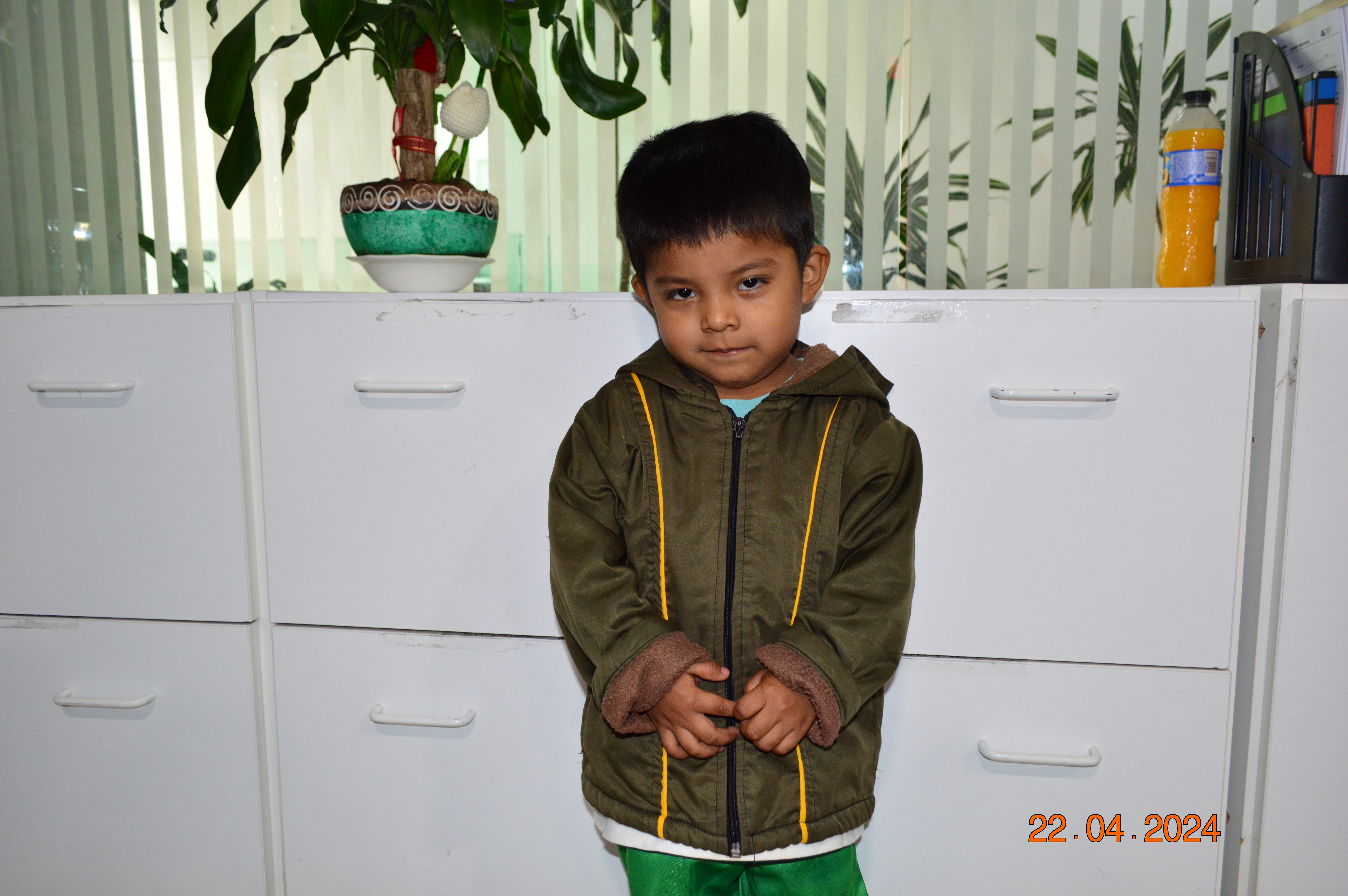
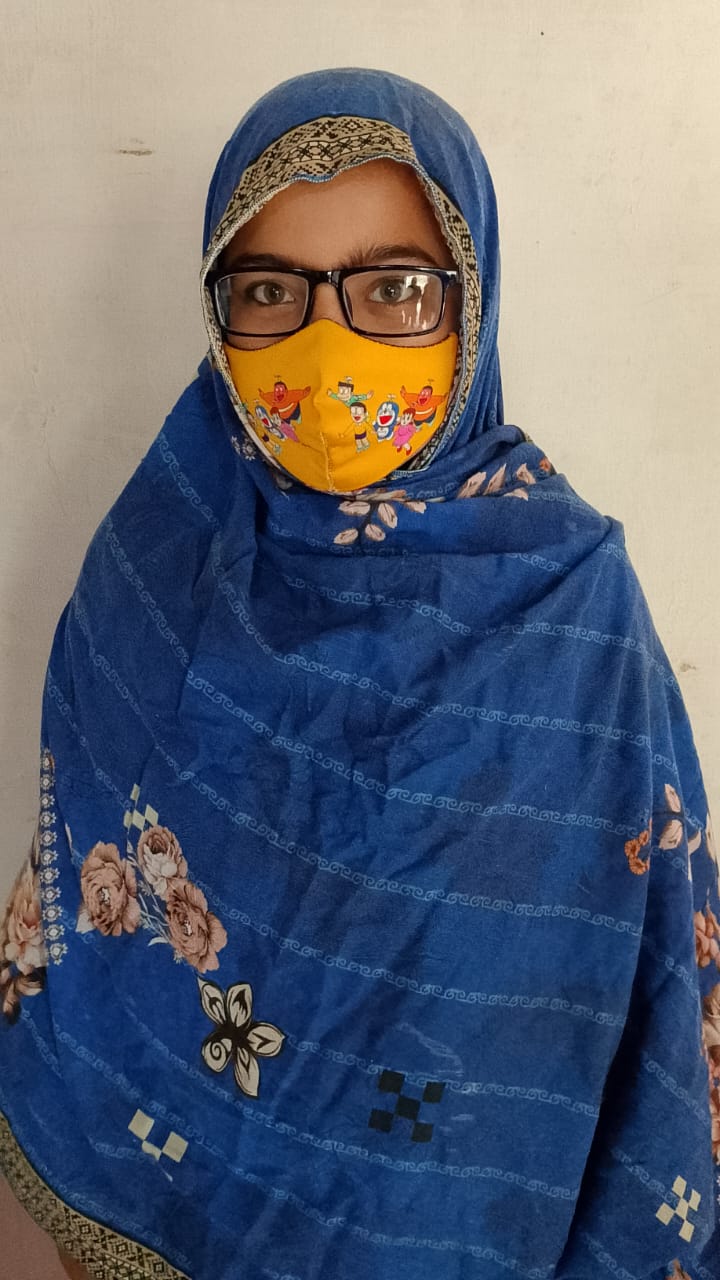
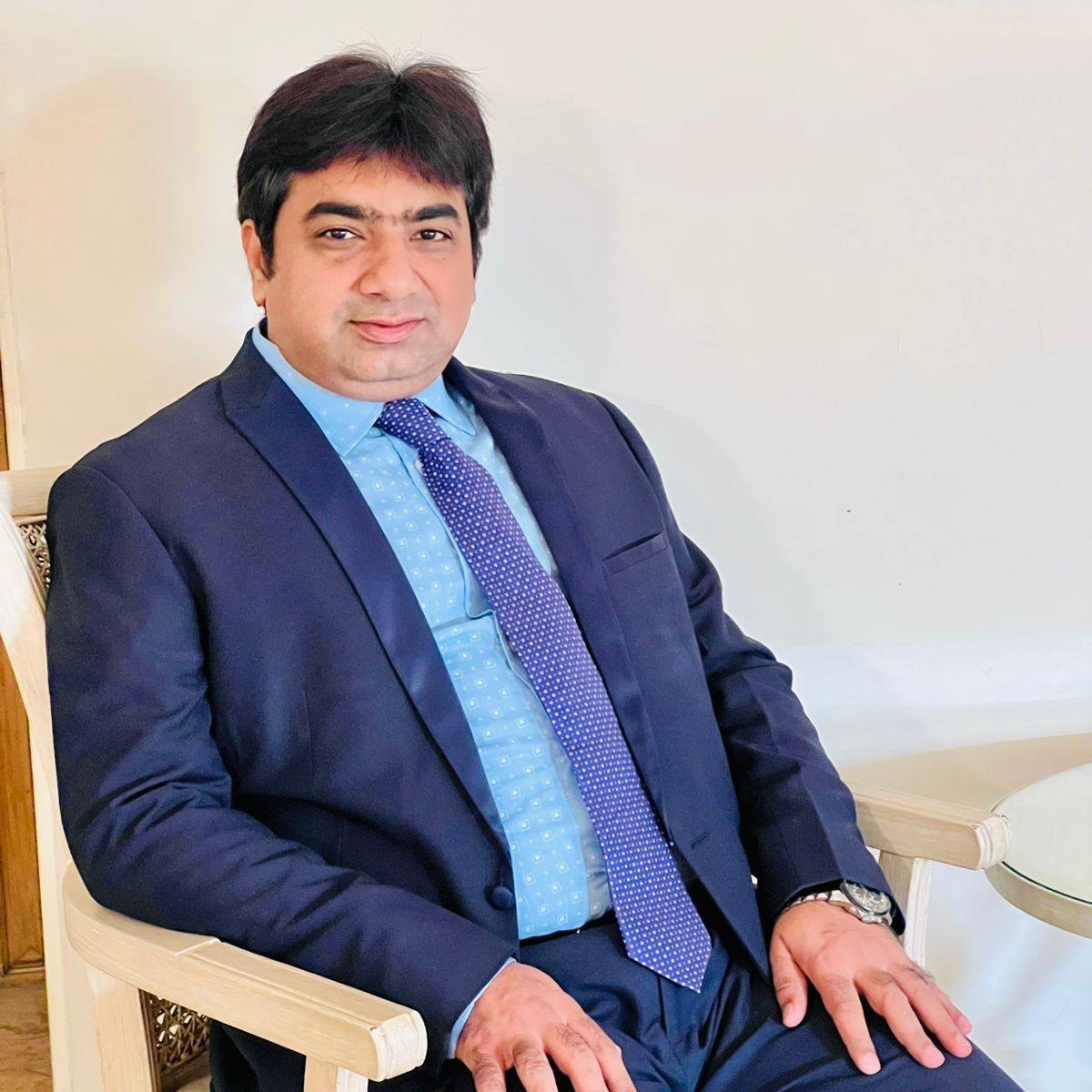
Unique stories to inspire everyone to #LOVEYOUREYES

Joseph

Organisation: GoodVision
Location: Germany
Photographer: Antje Christ

For a Malawian mechanic approaching 50, the ability to read again isn’t just about sight - it’s about staying skilled, capable, and independent.

Read Story

Kusma

Organisation: NNJS
Location: Nepal

Kusma used to be a self-reliant man but now relied completely on his wife for even the simplest things. After surgery, for the first time in years, he finally saw the face of his wife. Saying with joy, "Now, I can do everything myself!". The burden on his wife had been lifted, and with his eyesight back, he felt as if he had been granted a second life.

Read Story

Mangal

Organisation: Dr Goasain Nepal Eye Hospital
Location: Nepal

Mangal Maya Shahi, an elderly woman in her 80s from Kathmandu, she had been blind for seven years due to cataracts complicated by diabetes. After surgery, she experienced the joy of seeing her surroundings, including her daughter-in-law and grandson, for the first time. The family, overwhelmed with gratitude, described the experience as "a rebirth." Mangal Maya regained independence, and her family no longer had to provide constant care.

Read Story

Anastazia

Organisation: Cure Blindness Project
Location: Tanzania

“For 26 years, my world was shrouded in blurriness. I was born in the Mbeya region of Tanzania, and from the very beginning, I was unable to see clearly if at all. I lived in perpetual night, feeling my way through life, relying on my other senses to navigate the world,” says Anastazia.  

Read Story

Festus

Organisation: Cooper Vision
Location: Liberia

A teacher's (Festus) vision for he classroom is clearer now, with the help fo Optometry Giving Sight (OGS).

Read Story

Dr.Ana Lucía

Organisation: CBM
Location: Guatemala
Photographer: Simone Utler

Dr. Ana Lucía Asturias was honored with the Else Kröner Fresenius Award for Development Cooperation in Medicine 2024. In her capacity as Senior Physician for Pediatric Ophthalmology for Unidad Nacional de Oftalmología, Guatemala, she received the award in distinguished acknowledgment of her project “Retinopathy of Prematurity in Guatemala, a programme she developed to prevent premature infants from going blind

Read Story

Zon

Behind the Picture
Location: Malaysia
Photographer: Zon Hisham Zainal Abidin 

The image is of a loving mother who is visually impaired and her son who appeared to glance/look into the uncertainties of his future, hoping for the best there is. 

Read Story

Moses Mwelang'ombe

Organisation: Charity Vision
Location: Tanzania

Besta Kidmon, an 8-year old from Chitego Village, lived with vision loss since birth. After years of unsuccessful treatments, she received cataract surgery through an outreach program. Once forced to leave school, she now smiles with hope. Her story shows how restored sight can transform young lives and families.

Read Story

Somali Eye Care

Organisation: Somali Eye Care
Location: Somalia

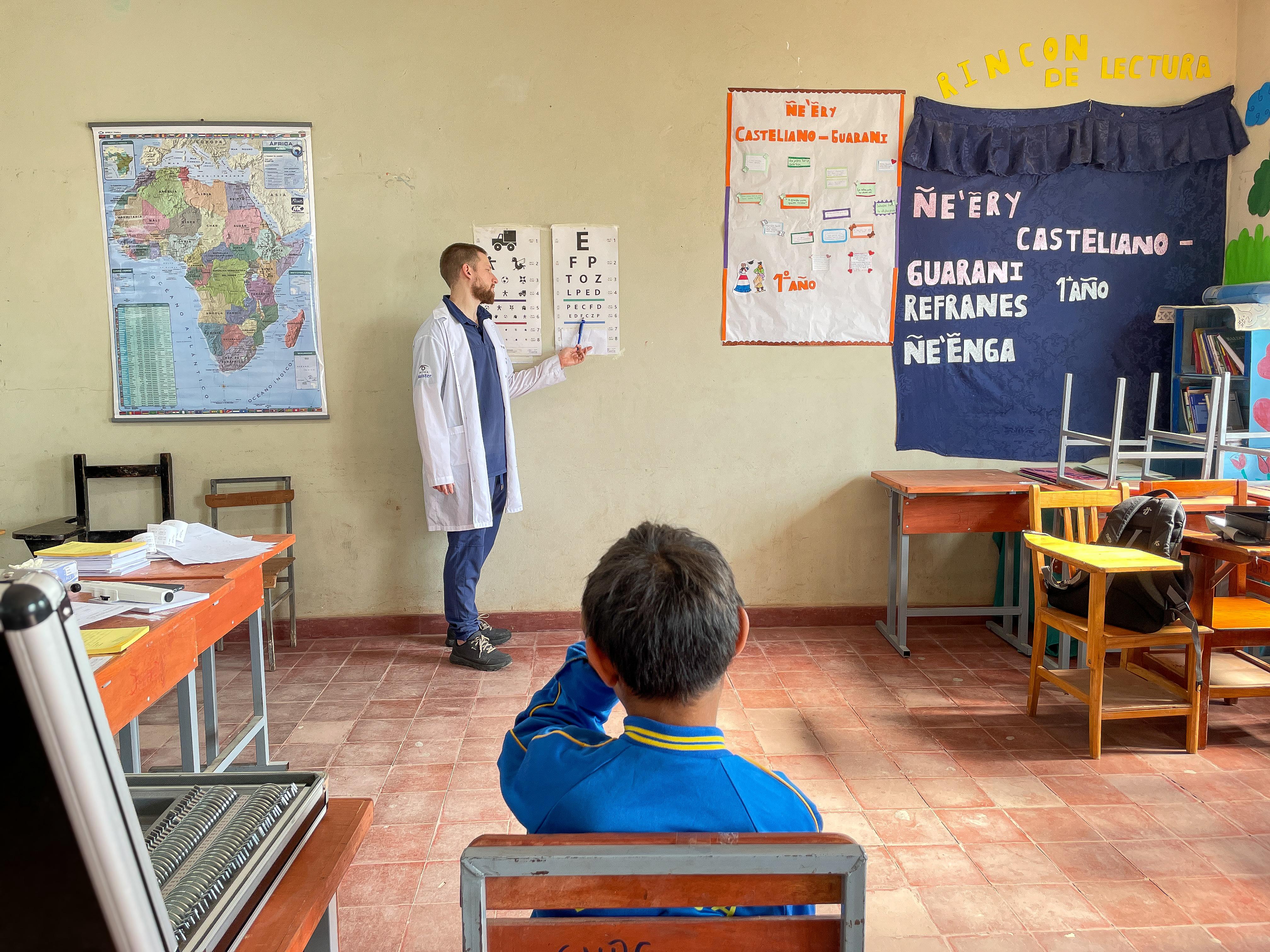
Somali Eye Care is a non-profit eye care organization based in Somalia. One of our free eye care services is school eye screening.

Read Story

Paul

Organisation: Cure Blindness Project
Location: Kenya

“The doctors will fix you. There is nothing to be afraid of. Tomorrow when we can see again, we dance.” 
At Cure Blindness Project, there is often dancing. And a little singing. Here, patients celebrate together with staff members joining in after bandages are removed following a free cataract surgery. It’s difficult not to dance when joy fills the room.

Read Story

Hillary A. Golden

Location: USA

A stye brought me to the optometrist, but a glaucoma diagnosis shocked me after regular eye exams. Normal pressure and no symptoms but lost sight. I researched globally, coached others, and even advocated on Capitol Hill. Appreciating and fighting for my sight every step of the way.

Read Story

Graham

Organisation: Behind the Picture
Location: Sierra Leone
Photographer: Graham Coates

"I was part of a team conducting school vision screening at various schools within driving distance of our base for 2 weeks at Makeni, in Sierra Leone. On this day we were visiting Mayolor town about 14km away. We screened 274 children and 52 adults on this day, which included most of the teachers. On arrival at each school we would meet with the headmaster and senior teachers and explain our need for suitable buildings to undertake the screening process."


Read Story

Frenky

Organisation: Behind the Picture
Location: Timor-Leste
Photographer: Frenky Ramiro de Jesus 

Photographer, Frenky, took this picture of a couple from a very rural area in Timor-Leste after Cataract surgery on their both eyes. What I love the most is their smiles when they know that everything was going well, and there is hope for them to see again. 


Read Story

Stephanie

Organisation: Cure Blindness Project
Location: Tanzania

"The joy was overwhelming. Not just because I could see again, but because I knew I wouldn't be a burden to my children anymore. Their sacrifices and unwavering support had brought me back into the light."

Tanzanian farmer Stephanie Kaloto received sight-restoring cataract surgery at an outreach supported by Cure Blindness Project in partnership with Helen Keller, Intl.  

Read Story

Neil

Organisation: Operation Eyesight
Location: India
Photographer: Neil Oakshot

In places where Operation Eyesight operates, having healthy vision in children has immediate societal benefits because the children play an important role in the family and community.  

Read Story

Mohammad

Organisation: Behind the Picture
Location: Kashmir
Photographer: Mohammad Omer

"It was a pleasant afternoon, school was full of children of different age groups, screening was in process in one of the classrooms, children standing outside in a line waiting for their turn to come, everyone was coming out of the screening room with a huge smile.  "

Read Story

Dr. Geoff

Organisation: Cure Blindness Project
Location: USA

Each year, Cure Blindness Project sponsors one ophthalmology resident for a global medicine fellowship with Stanford’s Byers Eye Institute. Spending most of the year in Asia and Africa with Dr. Geoff Tabin, fellows shift focus from personal training to serving others—building skills, forging collaborations, and creating lasting global impact.

Read Story

Dr. Lloyd

Organisation: Cure Blindness Project
Location: USA

“When I first saw it happen, I thought, I can do this for the rest of my life and never feel like I wasted a minute.” 
Dr. Lloyd Williams, Volunteer Ophthalmologist, Cure Blindness Project  
Dr. Williams speaks to the feeling of removing a patient’s bandages and watching their face transform from confusion to joy as they realize they can see again.  

Read Story

Kasturi

Organisation: Cure Blindness Project
Location: India

Kasturi Bishi, 64, a blacksmith from rural Odisha, lost her sight to cataracts, halting her livelihood. A free eye camp by Trilochan Netralaya, supported by Cure Blindness Project, offered surgery at no cost. Restored vision brought her back to work—and back to life—with renewed joy and gratitude.

Read Story

Sushil

Organisation: Cure Blindness Project
Location: India

Sushil Kumar Sen, 47, a driver from rural Odisha, lost his livelihood when cataracts clouded his vision. A free eye camp by Trilochan Netralaya, supported by Cure Blindness Project, restored his sight through two surgeries. Now, back behind the wheel, he works with renewed pride and gratitude.

Read Story
Close window

Joseph Msampa has spent most of his life under the hood of a car. As a mechanic in Malawi, small details matter: engine stamps, serial numbers, seals. But those details started slipping out of focus when he was just 25. At first, he managed. Now, nearing 50, the strain has grown harder to ignore.

“When I try to read small things, it is much easier for me with the glasses,” he says. “I have to read different parts on engines and boxes in my day-to-day job—and it is much easier for me now!”

Joseph heard about GoodVision through a street advertisement and made his way to an eye camp. There, he received a pair of glasses tailored to his needs - no long wait, no unreachable cost, just a simple, lasting solution.

Today, he’s back to doing what he does best: solving problems, fixing engines, providing for his family.

Sometimes, restoring someone’s sight isn’t about changing what they see, it’s about making sure they can keep doing what they’ve always done.

Joseph

Organisation: GoodVision
Location: Germany
Photographer: Antje Christ

For a Malawian mechanic approaching 50, the ability to read again isn’t just about sight - it’s about staying skilled, capable, and independent.

Close window

In the distant hills of Parbat, Kusma, 76-year-old Laute Damai lived in darkness for years. Cataracts advanced on him slowly, and for the past year, he had been blind. He used to be a self-reliant man but now relied completely on his wife for even the simplest things—eating, mobility, and going to the toilet. His children, whom he had raised with affection, had long left him, never visiting or calling to ask about him. 

Hope knocked on the door of Laute one day in the shape of an eye camp organized by Himalaya Eye Hospital and Nepal Netra Jyoti Sangh. At his wife's insistence, Laute went to the camp, nervous but optimistic. The physicians, after a thorough examination, told him that surgery would restore his eyesight. 

The operation was successful. The bandages were pulled off the next day, and light shone in his eyes. He blinked, adjusting the light, and for the first time in years, he finally saw the face of his wife—the lady who never abandoned him. Moved to tears, tears welled in his eyes. 

"Now, I can do everything myself!" he exclaimed with joy. The burden on his wife had been lifted, and with his eyesight back, he felt as if he had been granted a second life. 

Laute returned home, not as a helpless old man, but as an individual who could once more live with dignity. His change from darkness to light was a testament to the power of care and kindness. 


Video Link: https://www.facebook.com/share/v/1EWcBwnHsF/ 

Kusma

Organisation: NNJS
Location: Nepal

Kusma used to be a self-reliant man but now relied completely on his wife for even the simplest things. After surgery, for the first time in years, he finally saw the face of his wife. Saying with joy, "Now, I can do everything myself!". The burden on his wife had been lifted, and with his eyesight back, he felt as if he had been granted a second life.

Close window

Mangal Maya Shahi, an elderly woman in her 80s from Kathmandu, she had been blind for seven years due to cataracts complicated by diabetes. After surgery, she experienced the joy of seeing her surroundings, including her daughter-in-law and grandson, for the first time. The family, overwhelmed with gratitude, described the experience as "a rebirth." Mangal Maya regained independence, and her family no longer had to provide constant care.

Mangal

Organisation: Dr Goasain Nepal Eye Hospital
Location: Nepal

Mangal Maya Shahi, an elderly woman in her 80s from Kathmandu, she had been blind for seven years due to cataracts complicated by diabetes. After surgery, she experienced the joy of seeing her surroundings, including her daughter-in-law and grandson, for the first time. The family, overwhelmed with gratitude, described the experience as "a rebirth." Mangal Maya regained independence, and her family no longer had to provide constant care.

Close window

“For 26 years, my world was shrouded in blurriness. I was born in the Mbeya region of Tanzania, and from the very beginning, I was unable to see clearly if at all. I lived in perpetual night, feeling my way through life, relying on my other senses to navigate the world,” says Anastazia.  


While Anastazia knew the weight of her 6-month-old son in her arms, she’d never seen him, due to bilateral cataract blindness. After ophthalmologists removed bandages following a successful surgery, his face came into view. 


“The joy of seeing my baby was overwhelming, but it was only the beginning. When asked what I most wanted to see next, my answer was immediate: my 7-year-old daughter. I had spent years imagining what she looked like, but now, I would finally get to see her with my own eyes. The thought of seeing her smile, her laughter, and the way she moves filled me with an indescribable excitement.” 


“The challenges I faced before were immense. Simple tasks like fetching water or cooking were hazardous. I couldn't contribute to my household, which made me feel like I was a burden. But now, with sight, all of that has changed. The surgery has given me a chance to live a life I never once dreamed of.” 


Since 1995, Cure Blindness Project with partners has restored sight to more than 1.6 million people. The NGO also expands local capacity through training, provides infrastructure and equipment, and establishes prevention programs to stop treatable conditions from progressing to blindness. 

Anastazia

Organisation: Cure Blindness Project
Location: Tanzania

“For 26 years, my world was shrouded in blurriness. I was born in the Mbeya region of Tanzania, and from the very beginning, I was unable to see clearly if at all. I lived in perpetual night, feeling my way through life, relying on my other senses to navigate the world,” says Anastazia.  

Close window

A teacher's (Festus) vision for he classroom is clearer now, with the help fo Optometry Giving Sight (OGS).

Festus lives and works in Liberia. Last year, he received his first-ever pair of glasses after having difficulty reading documents and his students' work. At a school vision program made possible by EYElliance, supported in part by funding from Optometry Giving Sight, he - along with many children - were given the gift of sight. Now Festus can grade papers and prepare lessons more effectively, and the children can properly see to learn.

Festus

Organisation: Cooper Vision
Location: Liberia

A teacher's (Festus) vision for he classroom is clearer now, with the help fo Optometry Giving Sight (OGS).

Close window

Dr. Ana Lucía Asturias was honored with the Else Kröner Fresenius Award for Development Cooperation in Medicine 2024. In her capacity as Senior Physician for Pediatric Ophthalmology for Unidad Nacional de Oftalmología, Guatemala, she received the award in distinguished acknowledgment of her project “Retinopathy of Prematurity in Guatemala”, a programme she developed to prevent premature infants from going blind. The award was endowed with 100,000 euros and is among the most renowned distinctions in the field of development cooperation in medicine. The formal award presentation ceremony was held on October 15th, 2024, at the Berlin-Brandenburg Academy of Sciences and Humanities. 

The Retinopathy of Maturity programme has been implemented with the support of the Christian Blind Mission (CBM) since 2019. Key mainstays within the programme are the screening and treatment of preterm infants and the active use of telemedicine. 

“With this year’s award, we are acknowledging an outstanding project in child health. Through straightforward and very effective measures such as extensive screenings, a project that can distinctly improve children’s health” Dr. Jochen Bitzer, responsible for humanitarian funding at EKFS. 

CBM, a supporter of the programme since 2019, nominated the project for the award. “We are very pleased about this award. With the work they do, Dr. Ana Lucía Asturias and her team contribute substantially toward reducing preventable visual impairments and blindness in children in Guatemala.” Dr. Rainer Brockhaus, CEO, CBM. 

See documentary here: Else Kröner Fresenius Award for Development Cooperation in Medicine 2024 - YouTube 

Read more about the Retinopathy of prematurity project in the CBM Eye Health Annual Report 2024; https://www.cbm.org/dam/jcr:4384e5f7-16c3-475a-8a1c-53fff924dab5/CBM%20Eye%20Health%20Annual%20Report%202024.pdf  

Dr.Ana Lucía

Organisation: CBM
Location: Guatemala
Photographer: Simone Utler

Dr. Ana Lucía Asturias was honored with the Else Kröner Fresenius Award for Development Cooperation in Medicine 2024. In her capacity as Senior Physician for Pediatric Ophthalmology for Unidad Nacional de Oftalmología, Guatemala, she received the award in distinguished acknowledgment of her project “Retinopathy of Prematurity in Guatemala, a programme she developed to prevent premature infants from going blind

Close window

As the title suggests, the story is about a loving mother who is visually impaired and her son who appeared to glance/look into the uncertainties of his future, hoping for the best there is. 
 
This mother and child belong to the Jahai community (indigenous people) who live in the Royal Belum Rainforest Reserve, Malaysia. Most if not all are shy, especially when requested to pose in front of the camera. 
 
It was the 2nd day of our trip to Royal Belum to capture some portraits and their lifestyle. The mother and child pair were sitting close when I made a request for their photo to be taken. Her command of language was minimal but enough to make us understand each other. The village chief was also present and that helped a lot. Only then that I knew about her predicament. 
 
Most of the aid given to the Jahai community were in the form of food, clothing and general health screening. It came to my knowledge that there need to be more and specific eye/vision health screening among the folks in the community. I bet there are many children who have visual problems in their classes. 

Zon

Behind the Picture
Location: Malaysia
Photographer: Zon Hisham Zainal Abidin 

The image is of a loving mother who is visually impaired and her son who appeared to glance/look into the uncertainties of his future, hoping for the best there is. 

Close window

At just 8 years old, Besta Kidmon from Chitego Village, Kongwa, Tanzania, has already endured a lifetime of challenges. Born with vision problems in her left eye, her family sought answers for years — from traditional healers to distant hospitals — but found none. Forced to leave school because of her worsening sight, Besta’s future seemed uncertain.

Then came a life-changing moment: a local eye outreach program offering surgery. Wrapped in a blanket and beaming with joy just a day after her operation, Besta now faces the world with renewed hope. Her smile says it all — vision restored, dreams reborn.

Thanks to the outreach, her mother no longer wonders if help will come. It already has.

Moses Mwelang'ombe

Organisation: Charity Vision
Location: Tanzania

Besta Kidmon, an 8-year old from Chitego Village, lived with vision loss since birth. After years of unsuccessful treatments, she received cataract surgery through an outreach program. Once forced to leave school, she now smiles with hope. Her story shows how restored sight can transform young lives and families.

Close window

Somali Eye Care is a non-profit eye care organization based in Somalia. One of our free eye care services is school eye screening.

In many Somali schools, children sit in silence, unable to see the board, unable to follow lessons not because they lack intelligence, but because they lack clear vision. Most have never had even a simple eye test.

With only the most basic tools a chart and a torch our team enters classrooms and begins to change lives. For a child, a single test can mean the difference between falling behind or finally having the chance to learn with confidence.

Even with limited resources, we do our best. Because to us, sight is not a privilege it is hope, dignity, and a child’s future.

Somali Eye Care

Organisation: Somali Eye Care
Location: Somalia

Somali Eye Care is a non-profit eye care organization based in Somalia. One of our free eye care services is school eye screening.

Close window

Stoic and silent, Paul, 90, sits in the van en route to City Eye Hospital. He’s scheduled for free sight-restoring surgery supported by Cure Blindness Project. It’d been three years since he’d been able to see his children’s faces. He desperately wants the surgery but he is afraid.  


If anyone understands the fear and isolation of being blind, it’s Stevenson. He’d been unable to see until recently. City Eye Hospital in Nyeri, Kenya performed cataract surgery on his left eye. He is returning to the hospital to have his right eye corrected.   


“Since I was helped, I want to help others,” explains Stevenson, 82.  


Stevenson assigns himself in charge of Paul’s care: holding his hand and leading him to the pre-op testing stations, sitting beside him as they wait.  


Stevenson enters the operating theater first. Twenty minutes later he’s done. Paul waits patiently for his turn.   


“The doctors will fix you,” Stevenson says, gently patting Paul’s back. “There is nothing to be afraid of. Tomorrow when we can see again, we dance.”  


As promised, there is dancing. And a little singing. The two celebrate together and staff members join in. It’s difficult not to dance when joy fills the room. 

Paul

Organisation: Cure Blindness Project
Location: Kenya

“The doctors will fix you. There is nothing to be afraid of. Tomorrow when we can see again, we dance.” 
At Cure Blindness Project, there is often dancing. And a little singing. Here, patients celebrate together with staff members joining in after bandages are removed following a free cataract surgery. It’s difficult not to dance when joy fills the room.

Close window

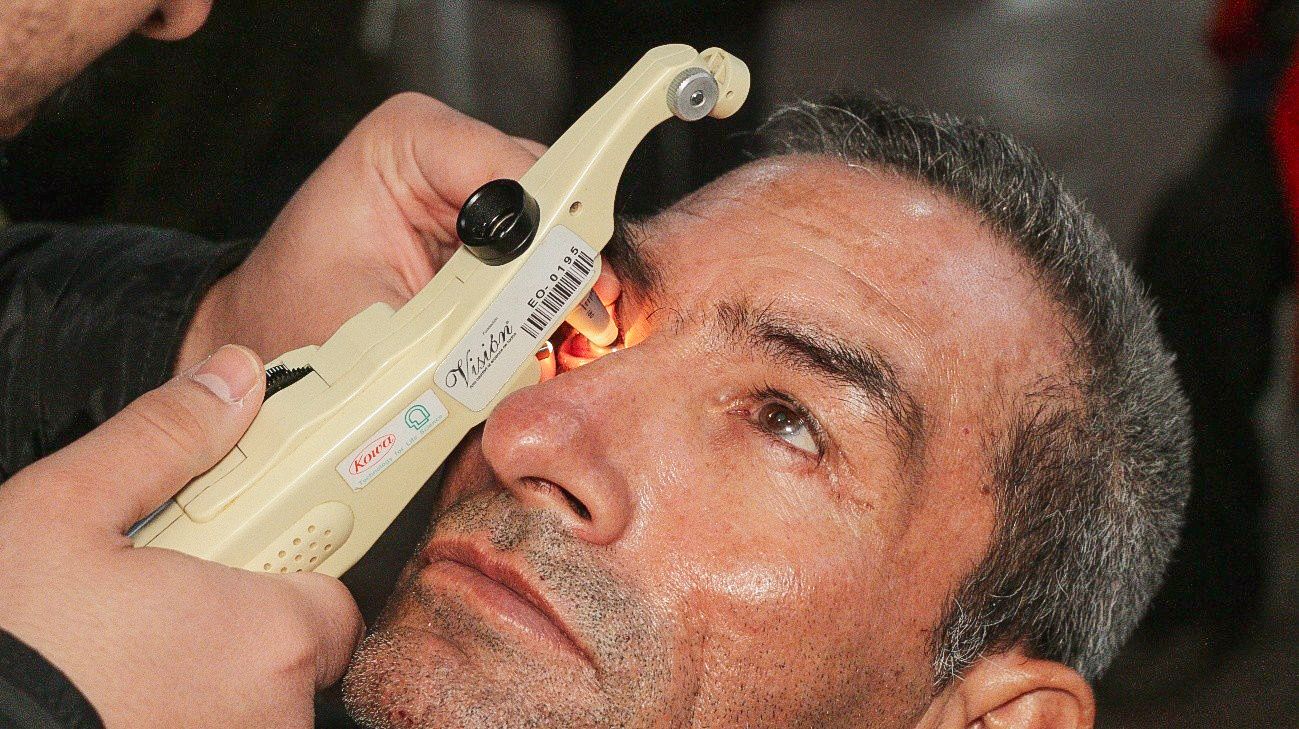
I made an appointment with an Optometrist for a stye and walked out with a glaucoma diagnosis. My world shifted that day - I went through shock and denial to acceptance and advocacy. Everything I knew about glaucoma was blown out of the water. I thought you had to be a ‘certain’ age, have high eye pressure, and problems with your sight. Even though I had regular eye exams my glaucoma wasn’t diagnosed until I had lost a good amount of sight. My pressures were normal, I wasn’t having vision issues, and I was younger than the typical glaucoma patient - no red flags! Now, I know glaucoma can be diagnosed at any age - even with normal pressure. I turned my glaucoma into a way to reach out and help others going through their own diagnosis. I used background in medical sales and surgical training to research the disease and reach out to doctors all over the world for answers. Eventually becoming a coach for other patients and advocating for sight all the way up to Capitol Hill in DC. I appreciate the sight I have and will never give up fighting to keep it! 

Hillary A. Golden

Location: USA

A stye brought me to the optometrist, but a glaucoma diagnosis shocked me after regular eye exams. Normal pressure and no symptoms but lost sight. I researched globally, coached others, and even advocated on Capitol Hill. Appreciating and fighting for my sight every step of the way.

Close window

I was part of a team conducting school vision screening at various schools within driving distance of our base for 2 weeks at Makeni, in Sierra Leone. On this day we were visiting Mayolor town about 14km away. We screened 274 children and 52 adults on this day, which included most of the teachers. On arrival at each school we would meet with the headmaster and senior teachers and explain our need for suitable buildings to undertake the screening process. Inevitably this entailed rearranging one or two classrooms to suit our needs. One for carrying out the initial vision and eye health checks and another for performing a sight examination for those referred from the screening process. The image depicts one of the children having his vision checked using an E chart. It is not obvious in the photo but he has covered his left eye with a cupped hand and so we are checking how far down he can correctly identify the tumbling E letter orientation. By pointing his free hand up, down, to the left or right it becomes a very quick and accurate method of confirming an individuals unaided sight. In this case you may notice that some of his classmates have started to laugh. This is because he was the first child in the class to easily get to the bottom line with no effort, and all his friends were amazed at how confident he was.

I was volunteering on my 19th eye care project, most of them using my Optometry expertise with the UK charity Vision Aid Overseas. Increasingly I have balanced the Optometry aspects of the trips with taking images to highlight this much needed work. It is great to know that for at least some individuals we have been able to help. Good sight means finishing school, it means seeing well enough to mark homework, to count money at the market, to see your grand children properly. We should all have the right to sight and the means to have it assessed wherever we may live in the world. 


Graham

Organisation: Behind the Picture
Location: Sierra Leone
Photographer: Graham Coates

"I was part of a team conducting school vision screening at various schools within driving distance of our base for 2 weeks at Makeni, in Sierra Leone. On this day we were visiting Mayolor town about 14km away. We screened 274 children and 52 adults on this day, which included most of the teachers. On arrival at each school we would meet with the headmaster and senior teachers and explain our need for suitable buildings to undertake the screening process."


Close window

What is it about this image that you love? 

It is a picture of a couple from a very rural area in Timor-Leste after Cataract surgery on their both eyes. What I love the most is their smiles when they know that everything was going well, and there is hope for them to see again.  

Do you remember anything about the subject? For example, were the patients shy to have their pictures taken, funny, curious? From memory, these two are husband and wife. Do you remember anything about them, their bond? 

Well, actually I was planning to take their picture after the surgery, because it is rare to see a couple together come for operation. It was a little bit funny, because a lady was shy to be hugged by her husband and didn’t want to take photo. We took many photos, but this photo was good in comparison with others.  

This couple live in a village far away from the capital. They live alone by themselves in a small house. Once their relative came to visit and found that they couldn’t see. For this purpose, their relative brought them to the eye clinic in the capital for further consultation and treatment.  

Do you recall anything about the location on that day? For example, was the hospital busy? What was happening behind the scenes? 

Eye clinic is the only eyes services available in the country. So, all  of cases come to eye clinic. On that day, there were a lot of patients for consultation. One of the Eyecare nurse in the clinic came to inform me that there was a couple with bilateral hypermature cataract and need for consultation. They came on Friday morning. After the examination and investigation done, I planned for bilateral SICS in one session for both. I explained about the pre-op, intra-op and post-op procedures and also self-care after the operation to the relative. The couple was afraid in the beginning but accepted for operation after a detailed explanation about the benefit after the operation. After their acceptance, I straight plan for the surgery the next Monday. And at the next day, they both were very happy because after years, they can see again.  

What about shooting this project did you find interesting? For example, the sheer need for eye care services? 

It was interesting to shoot this project. At the same time, we used the photo to encourage those people in rural area to come for eye consultation. Because there is still lack of knowledges of people about eye health and many of them still afraid to get operated their cataracts. And I do believe that in the next few years, the quality of the eye health services in Timor-Leste will be better.  

Frenky

Organisation: Behind the Picture
Location: Timor-Leste
Photographer: Frenky Ramiro de Jesus 

Photographer, Frenky, took this picture of a couple from a very rural area in Timor-Leste after Cataract surgery on their both eyes. What I love the most is their smiles when they know that everything was going well, and there is hope for them to see again. 


Close window

“At 65 years old, [my] life in Mbeya Region has always been about the land and the rhythms of farming. My husband and I tended our fields together, until he left and the shadows began creeping into my world. 

It started with a slight blurring of my vision, almost like looking through fog. At first, I thought it was a joke—a temporary nuisance that would fade with time. But days turned into weeks, and soon I could barely see the crops I once nurtured. It was then that those around me said I have cataracts.” 

Farming alone became a daunting task for Stephanie Kaloto. Without sight she could no longer distinguish shapes and every step felt uncertain.  

Her family learned of a free cataract outreach supported by Cure Blindness Project in partnership with Helen Keller Intl.  

When doctors removed Stephanie’s bandages, tears streamed down Stephanie’s cheeks.  

“I may be older now, my energy waning,” Stephanie says, “but every moment is a gift I embrace with newfound appreciation. I feel like a child again, discovering the world afresh.” 

#helenkellerintl #that_tanzanianguy 

Stephanie

Organisation: Cure Blindness Project
Location: Tanzania

"The joy was overwhelming. Not just because I could see again, but because I knew I wouldn't be a burden to my children anymore. Their sacrifices and unwavering support had brought me back into the light."

Tanzanian farmer Stephanie Kaloto received sight-restoring cataract surgery at an outreach supported by Cure Blindness Project in partnership with Helen Keller, Intl.  

Close window

Photographer Neil:

"I like the fact that we were shown that classroom…at random…and it was full for students, and from the doorway where I took the photo there was a direct line of sight to her, and I think that not only was she the only one wearing glasses but she was perfectly framed in the classroom for the subsequent photo. We didn’t have to position her, light her or create the composition…it was totally natural. Serendipitous.
 

She had a lovely smile. She looked at us at first as did all the others, and then whilst I fiddled with the camera and took some test shots everyone just carried on listening to the teacher and then when we were ready I just waved at her and smiled and she smiled back…and then I took the photo. Again, she was totally natural and seemed very mature.  

We had just come from a large eye clinic and brought to the school just to get see if we could get some shots. Our goal was to find some students and choreograph a shot with them, ask them some questions etc. It was a large school and we arrived 10 minutes before their break…lunch I think…so in fact the only thing we achieved with the visit was this scene. No children were being screened at the time…I think it was a “let’s see what we find” kind of location. 

I was there with a couple of representatives from Operation Eyesight, and my cameraman colleague, Miguel Gutierrez, and we both had cameras. We met someone from the school who looked into a couple of classrooms and let us in. We had about 5 minutes before the bell went off for lunch so we just looked in the first classroom, stood close to the doorway and this is what we got.  

For this project we filmed in Kenya and India. We filmed the young and the old…the most vulnerable groups of course. I was particularly struck by the important role that children have in educating and supporting their families. In countries like Canada we tend to consider healthy eyesight as primarily a benefit to the recipient only….”you need glasses”…so I ensure my children have can study properly and enjoy life like everyone else.  

But in places where Operation Eyesight operates, having healthy vision in children has immediate societal benefits because the children play an important role in the family and community.  

They work around the house, in the yard, they feed the animals or help out in the fields. They go for food, and they care for the elders in multi-generational households. In Kenya, where trachoma is a big problem, the children learn about clean water and they go home and educate THEIR parents on the importance of clean water. The young are literally the teachers. 

So the community-led initiatives that we filmed, and the “hand-up, not hand-out’ approach of organizations like Operation Eyesight was extraordinary to film. These are huge community efforts (and communal living in these countries involves far more inter-dependence then here), and there was genuine pride at all levels when a cataract operation succeeded, or when a child got glasses. Because now these people were no longer burdens that needed constant help. They could now contribute. It’s literally a 100% reversal in fortune for the the person, their families and the community. "

Neil

Organisation: Operation Eyesight
Location: India
Photographer: Neil Oakshot

In places where Operation Eyesight operates, having healthy vision in children has immediate societal benefits because the children play an important role in the family and community.  

Close window

What I love about this image is the hope & happiness that I see through the little girl’s eyes.  

It’s not every day that a young girl in a city in Kashmir gets her picture taken to be published on the internet which would potentially have a global reach. When we briefed the students about the photography session, they were actually very excited, a little shy but excited as well.  

It was a pleasant afternoon, school was full of children of different age groups, screening was in process in one of the classrooms, children standing outside in a line waiting for their turn to come, everyone was coming out of the screening room with a huge smile.  

Most of these underprivileged children do not even get the opportunity to get their eye sights checked and then the opportunity to get the rightly powered eyeglasses. What found me very interested in shooting this project was the fact that there are esteemed individuals & organizations like the Brien Holden Vision Institute working out there to provide such opportunities to these children & their respective families.  

Mohammad

Organisation: Behind the Picture
Location: Kashmir
Photographer: Mohammad Omer

"It was a pleasant afternoon, school was full of children of different age groups, screening was in process in one of the classrooms, children standing outside in a line waiting for their turn to come, everyone was coming out of the screening room with a huge smile.  "

Close window

Each year, one exceptional ophthalmology resident is invited to complete a one-year post-graduate clinical training subspecialty in global medicine sponsored by Cure Blindness Project. The fellowship in partnership with the Byers Eye Institute at Stanford exposes young surgeons to challenges most likely not previously encountered in the United States.  


Selected participants spend two-thirds of the year working in Asia and Africa alongside Stanford Professor and Cure Blindness Project co-founder, Dr. Geoff Tabin. 


“An interesting phenomenon occurs when you start a global ophthalmology fellowship. While the focus of the trainee in all other realms is primarily, almost solely, on the quality of their training, in global ophthalmology the focus shifts to what the trainee will do for others—global partners, residents abroad, and others,” says Dr. Sean Collon, who recently completed his global fellowship.  


The fellowship exposes and encourages residents to pursue uncharted paths and establish new collaborations for maximum unique impact.  


#helenkellerintl #that_tanzanianguy #stanford 


Dr. Geoff

Organisation: Cure Blindness Project
Location: USA

Each year, Cure Blindness Project sponsors one ophthalmology resident for a global medicine fellowship with Stanford’s Byers Eye Institute. Spending most of the year in Asia and Africa with Dr. Geoff Tabin, fellows shift focus from personal training to serving others—building skills, forging collaborations, and creating lasting global impact.

Close window

Dr. Lloyd Williams changes lives. Motivated by a deep sense of purpose, Dr. Williams travels to places others won’t. A long-time volunteer with Cure Blindness Project, Dr. Williams travels frequently to South Sudan where he provides sight-restoring surgery to those suffering from cataract blindness.  

Cure Blindness Project began working in South Sudan in 2011. Since then, together with partners Cure Blindness Project has hosted 20 outreached providing sight-restoring surgeries to treat cataracts and trachomatous trichiasis (TT).  

For many, these outreaches are the only opportunity to receive much needed care. After years of conflict and only a handful of eye care professionals to serve a population of nearly 11 million, most South Sudanese lack adequate access to eye care. Soe data estimates the eastern African country has one ophthalmologist per 2.5 million people.  

#dukeuniversity #dukeglobalop Chris Hildreth/RoosterMedia | FB: @chris.hildreth.35 | IG: @roostermediaofficial 

Dr. Lloyd

Organisation: Cure Blindness Project
Location: USA

“When I first saw it happen, I thought, I can do this for the rest of my life and never feel like I wasted a minute.” 
Dr. Lloyd Williams, Volunteer Ophthalmologist, Cure Blindness Project  
Dr. Williams speaks to the feeling of removing a patient’s bandages and watching their face transform from confusion to joy as they realize they can see again.  

Close window

Kasturi Bishi, 64, lives with her husband in a small village in Odisha, India. The couple worked as blacksmiths, making and selling iron tools to earn a simple living. Their routine fell apart when Kasturi began losing her vision to cataracts. She couldn’t work, and her husband stayed home to care for her. With no income, treatment felt impossible. 
 
Hope came when they heard about a free eye screening camp supported by Trilochan Netralaya and Cure Blindness Project. There, she was identified with mature cataracts in both eyes and referred to Trilochan Netralaya for surgery. 
 
With quiet courage, Kasturi underwent the procedure—free of cost, with support from Cure Blindness Project. Today, she can see clearly again. She’s back to work, back on her feet, and filled with joy and gratitude.

Kasturi

Organisation: Cure Blindness Project
Location: India

Kasturi Bishi, 64, a blacksmith from rural Odisha, lost her sight to cataracts, halting her livelihood. A free eye camp by Trilochan Netralaya, supported by Cure Blindness Project, offered surgery at no cost. Restored vision brought her back to work—and back to life—with renewed joy and gratitude.

Close window

Sushil Kumar Sen, 47, is a driver from a rural district in Odisha, India. Life was simple and steady with his wife and children — until cataracts blurred his vision and forced him off the road. Unable to work, he relied on his wife for everything, and the loss of independence left him feeling helpless. 

Then he heard about a free eye screening camp run by Trilochan Netralaya, a state-of-the-art institute committed to providing comprehensive and compassionate eye care.  

Holding on to hope, Sushil went. Staff identified him with mature cataracts in both eyes — and told him his vision could be restored through surgery, entirely free of cost. Cure Blindness Project works with Trilochan Netralaya and partners like them to offset surgery costs to expand access to care for those who need it most. 

The next day, he underwent his first surgery. When the bandage came off, Sushil could see again. Fifteen days later, he returned for the second surgery — and with it, the rest of his world came back into focus. 

Today, he’s back behind the wheel, working again, and living with pride and deep gratitude. 

Sushil

Organisation: Cure Blindness Project
Location: India

Sushil Kumar Sen, 47, a driver from rural Odisha, lost his livelihood when cataracts clouded his vision. A free eye camp by Trilochan Netralaya, supported by Cure Blindness Project, restored his sight through two surgeries. Now, back behind the wheel, he works with renewed pride and gratitude.

Stay in touch

Receive all the latest news, webinars, updates, events and more right to your inbox. 

Join our Mailing List