
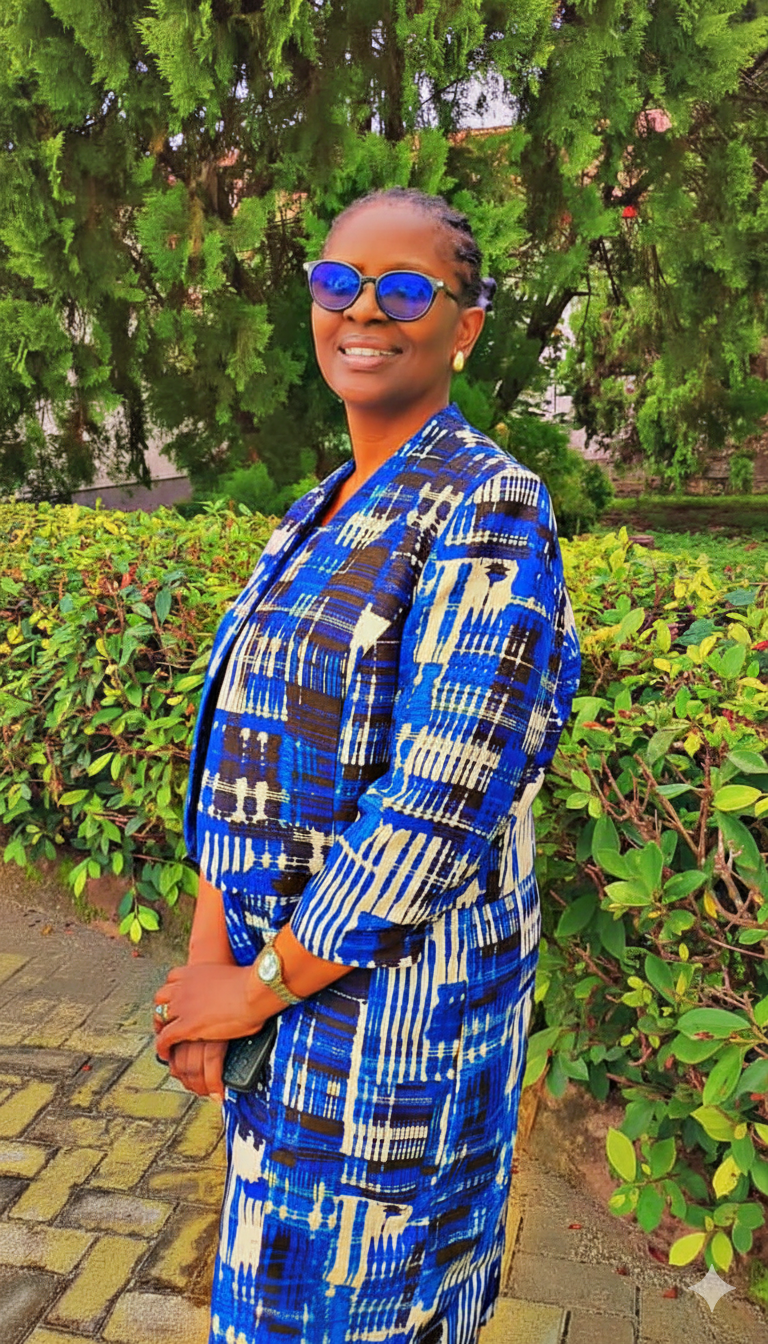
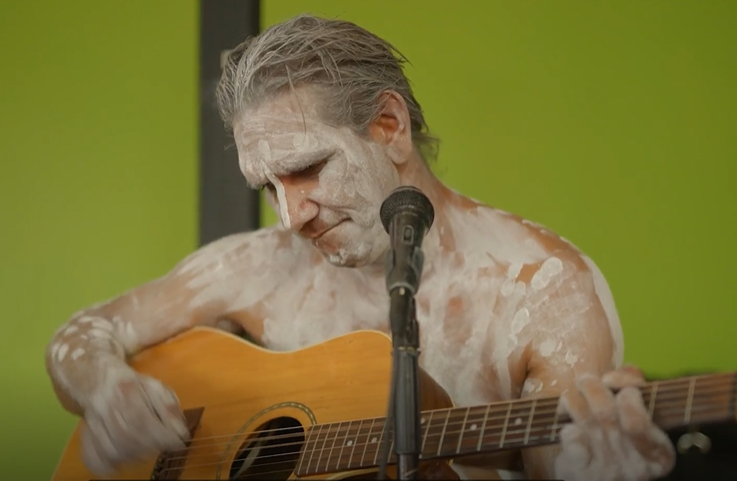
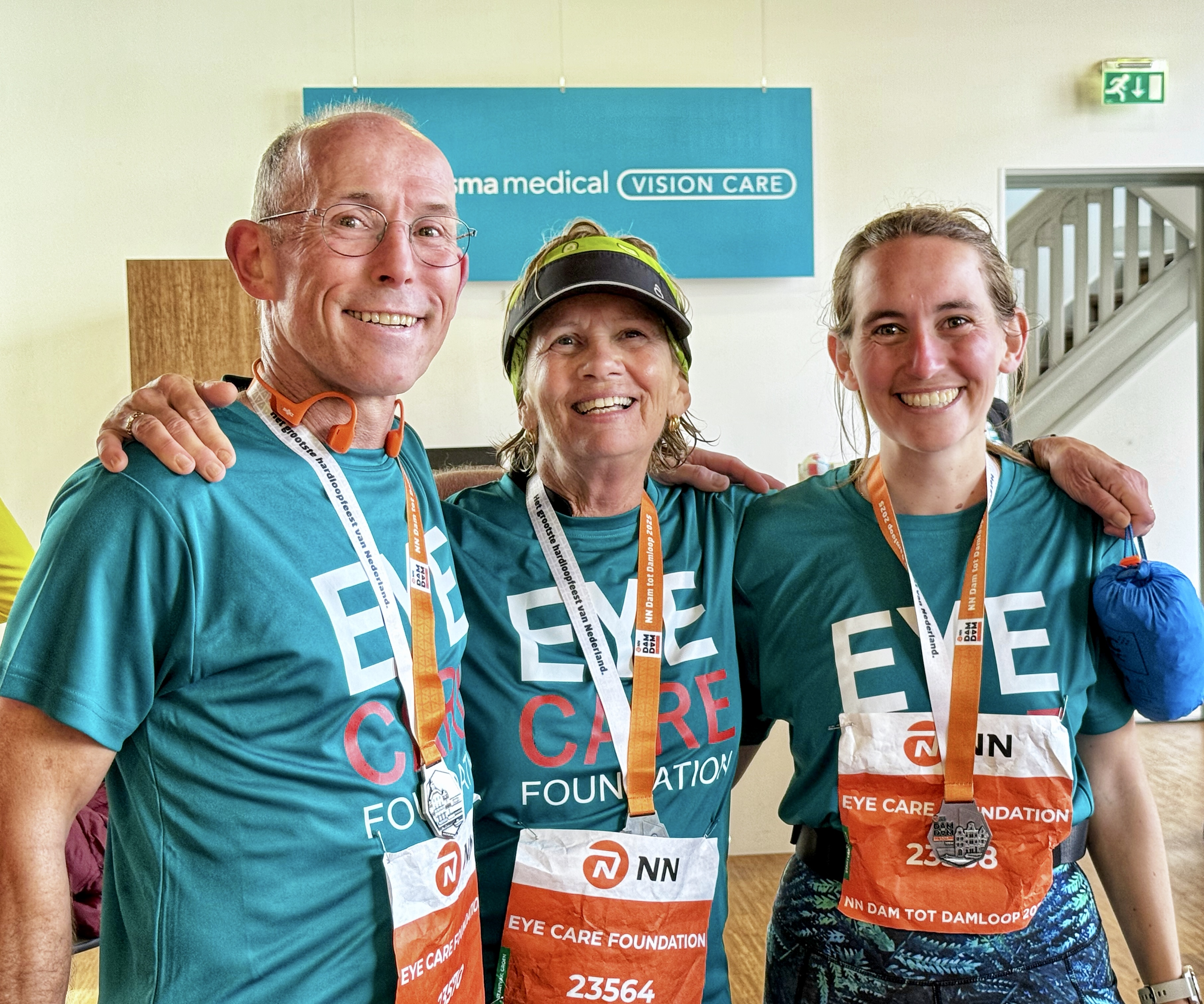
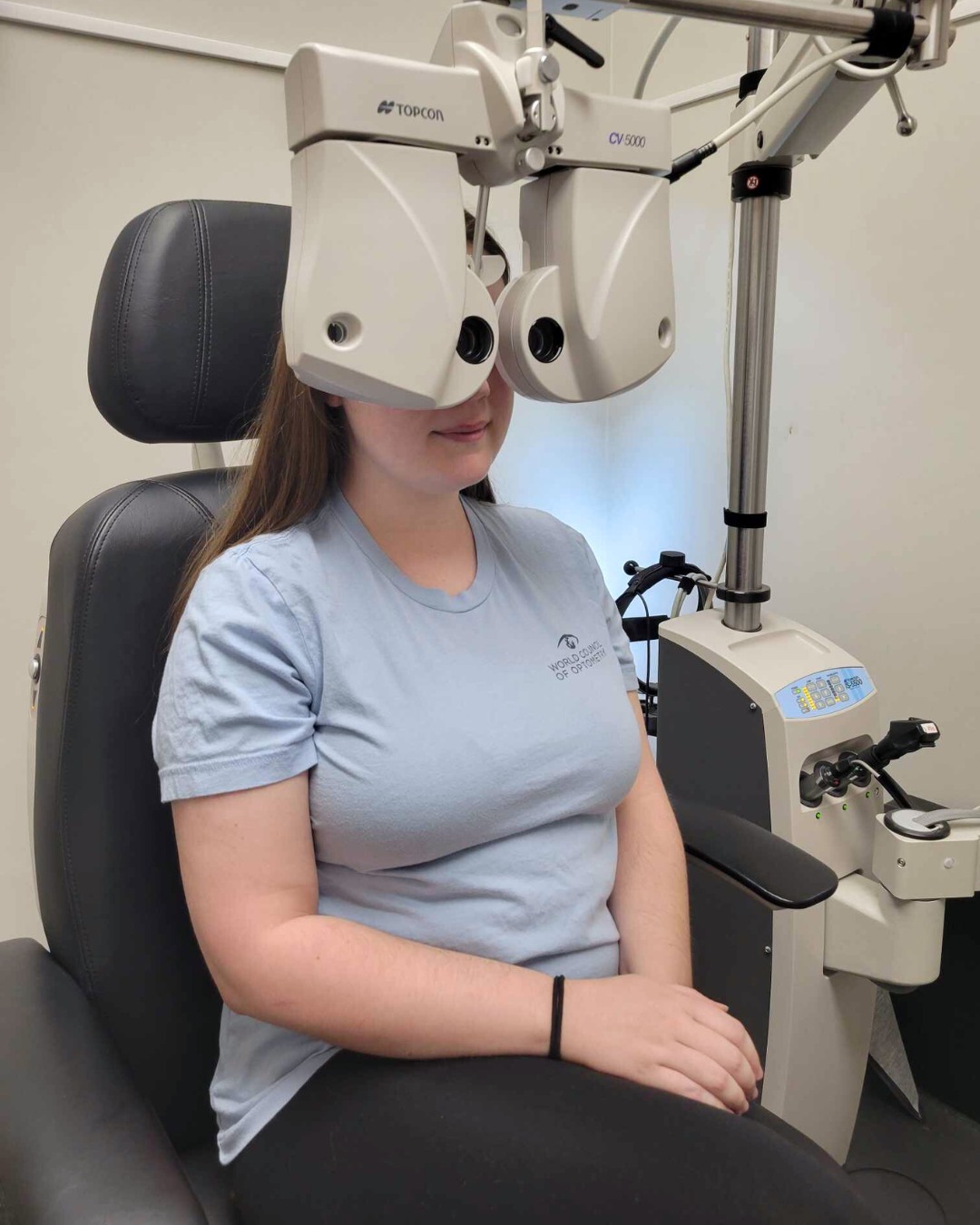

Unique stories to inspire everyone to #LOVEYOUREYES

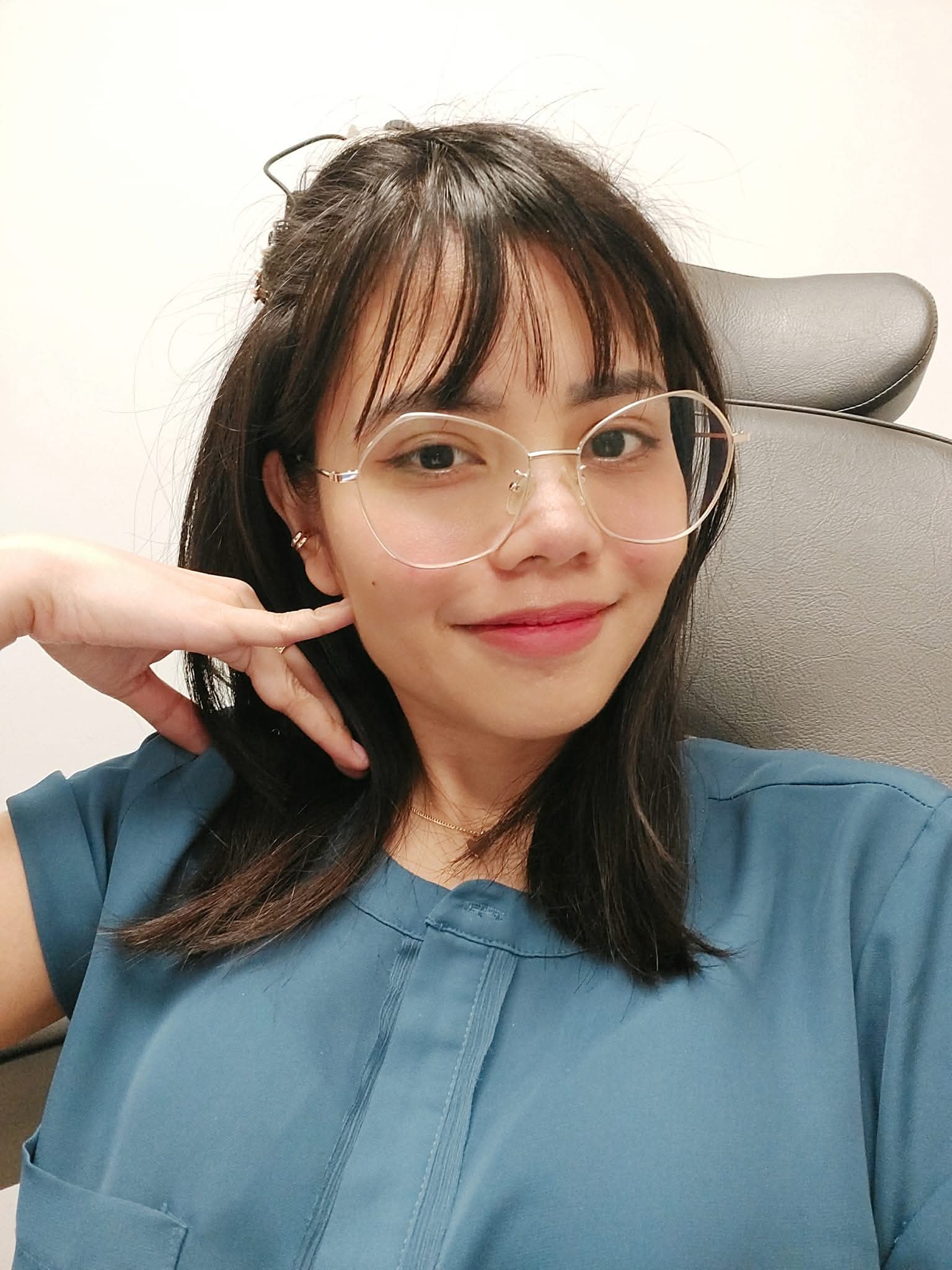
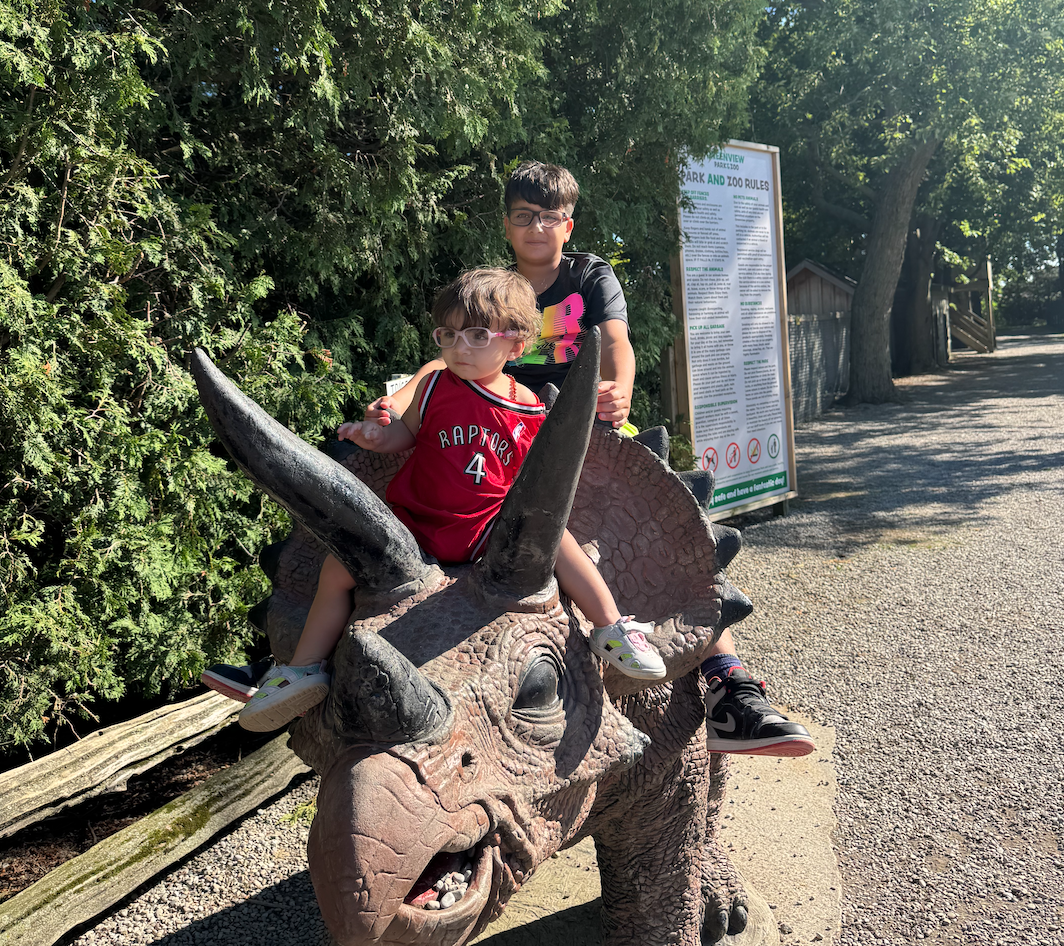
Zaid and LeMeese

Location: Alberta, Canada

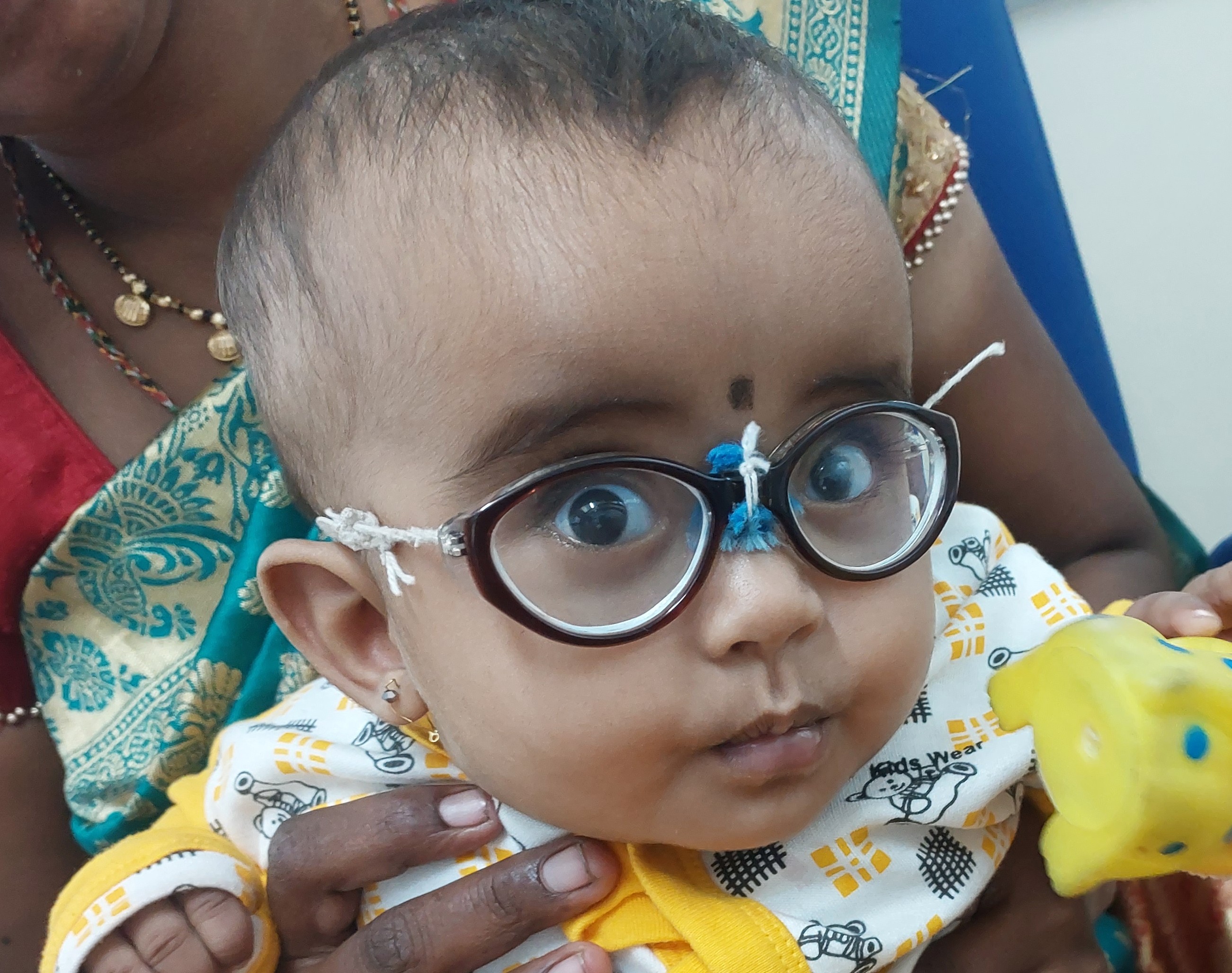
Regular eye tests are so important because not all vision problems are visible, and what feels “normal” might not be healthy.


Read Story

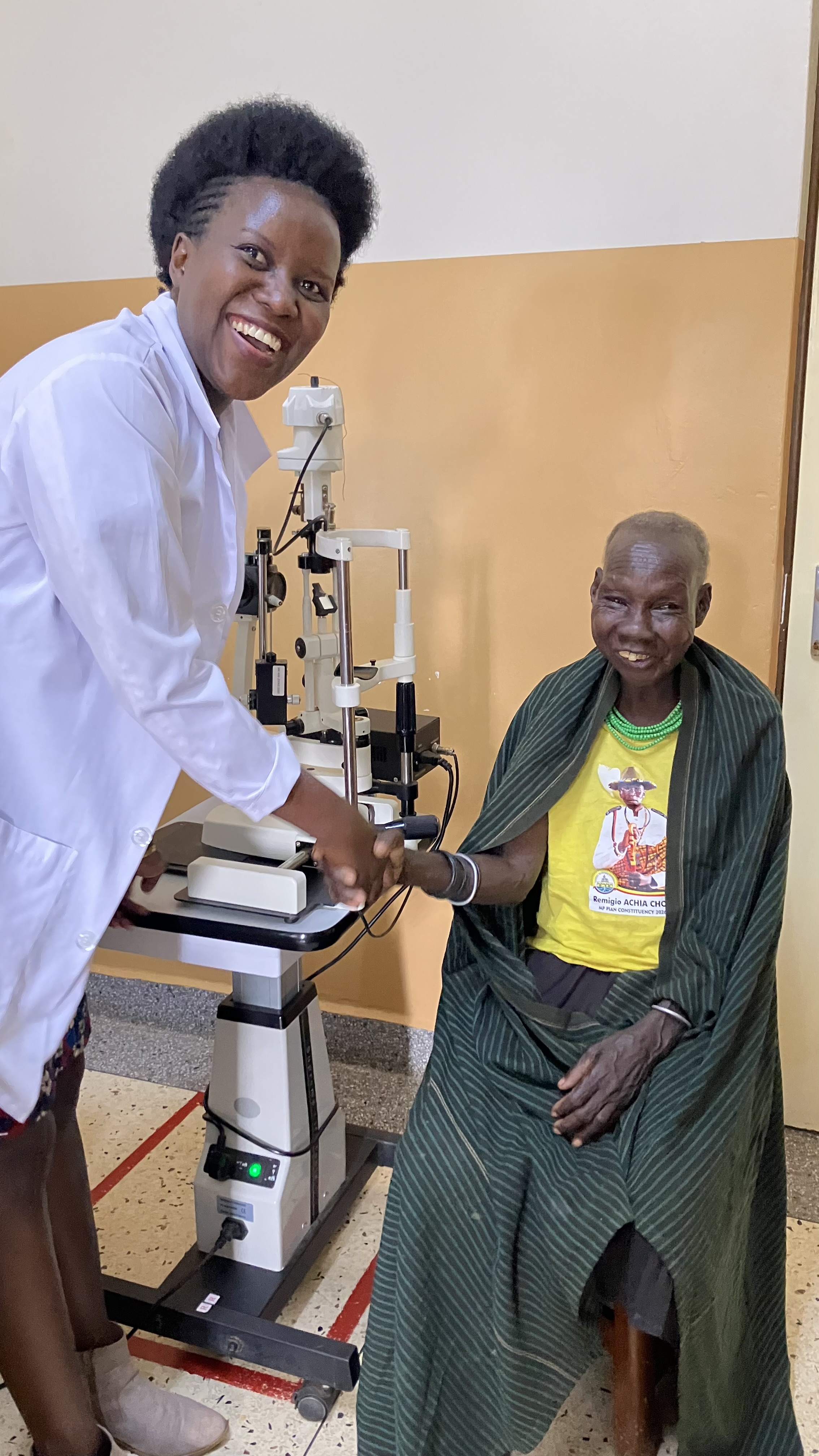
Holo Makanisa

Organisation: Sighsavers
Location: Tanzania
Photographer: Michael Goima

Having her cataracts removed and sight restored was "quite joyful" for Holo.

Read Story

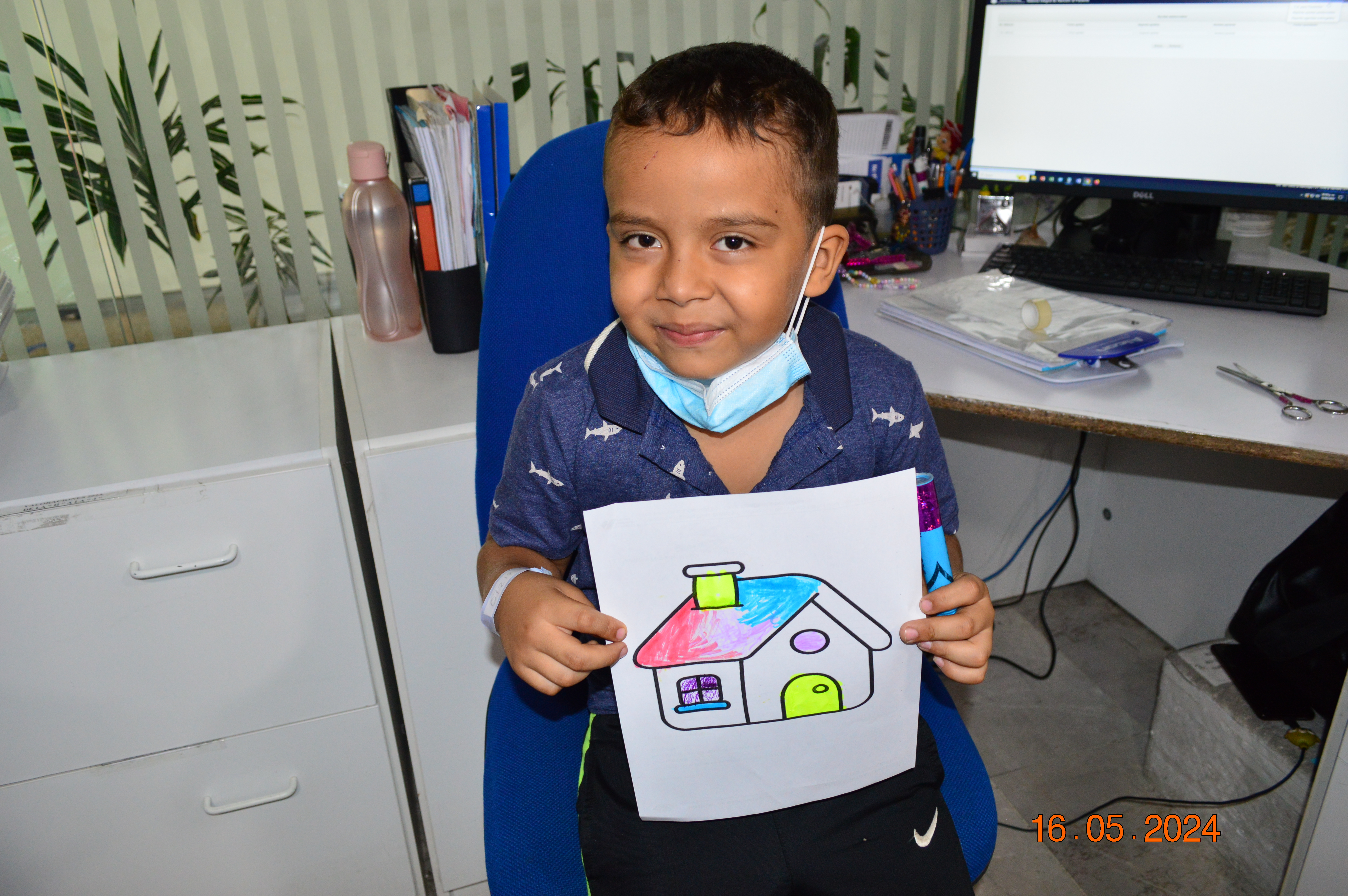
Oscar Zaid

Organisation: Fundacion de Asistencia Privada Conde de Valenciana 
Location: Mexico
Photographer: Juan Emmanuel Jimenez Aguilar

Oscar Zaid, un niño de 3 años de edad originario de San Juan Bautista Cuicatlán, Oaxaca, México, fue sometido a un procedimiento quirúrgico para la corrección de Catarata Congénita.

Read Story

Twinde Tishuma

Organisation: Sightsavers
Location: Zimbabwe
Photographer: Cynthia Matonhodze

Twinde's pain has stopped and his school performance has improved after an operation on a traumatic cataract.

Read Story

Bourama Sacko

Organisation: SightSavers
Location: Mali
Photographer: Harandane Dicko

"It's going to have a big impact on my future because I'm going to be able to write well and see well.”

Read Story

Sadaf

Location: Pakistan

Sadaf’s new glasses gave her back the ability to read, study, and dream. Her story shows how free, accessible eye care can transform a child’s future, turning blurred vision into bright opportunities.

Read Story

Merhan Memon

Location: Pakistan

As an IT leader in eye health, I have seen how technology and data transform lives — from children learning in classrooms to drivers regaining independence. My journey is a reminder that protecting vision safeguards dignity, opportunity, and the future. That’s why we must all #LoveYourEyes.

Read Story

Fekadu Merga

Location: Ethiopia

Double challenge: blindness in both eyes and a hearing impairment. Without resources for treatment.

Read Story

Fundación Visión

Organisation: Fundación Visión
Location: Paraguay
Photographer: Maira Bogarín

La Fundación Visión lleva esperanza y salud ocular a los rincones más remotos. Su trabajo devuelve la visión, pero sobre todo, devuelve la independencia, la alegría y la posibilidad de un futuro lleno de oportunidades a quienes más lo necesitan.

Read Story

Víctorino Ayala

Organisation: Fundación Visión
Location: Paraguay
Photographer: Marcos Mena

Gracias al apoyo compasivo y una cirugía experta, Víctorino superó su miedo a la ceguera. Recuperó la vista, lo que le llenó de alegría y le devolvió su independencia. Su historia subraya el poder transformador de la salud visual.

Read Story

Jose

Location: Guatemala 

Handing José a pair of glasses wasn't just about restoring his sight; it was about witnessing a profound moment of human connection. As his tears fell in gratitude, I couldn't help but cry with him, sharing in the overwhelming joy of seeing the world in focus for the first time.

Read Story

Shariat

Organisation: RestoringVision
Location: Bangladesh
Photographer: Courtesy of SAJIDA Foundation

After struggling to see clearly due to presbyopia, Shariat, a tailor, received free reading glasses at an eye camp hosted by SAJIDA Foundation. The eyeglasses restored her precision, boosted her productivity, and stabilised her income—proving how simple vision care can have a powerful impact on livelihoods.

Read Story

Muhammad Hassan Rasheed

Location: Pakistan

Born with severe vision loss, I lost my right eye, fought glaucoma in my left, adapted with tech and determination, and built a life and career in video editing, web development, and AI calling agents, supported by family and mentors — a story of resilience, independence, and forward momentum.

Read Story

Aleydis Vera

Organisation: Fundación Vision
Location: Paraguay
Photographer: Marcos Mena

Each patient who regains sight is a source of joy and a reminder of her mission: restoring dignity, hope, and opportunity through vision.

Read Story

Melakamu

Organisation: Light For The World
Location: Austria
Photographer: E.Fullerton

"The most rewarding part of my job is seeing the smiles on those children's faces after they have received their eyeglasses,” says Melakamu Yitayew, an optometrist in Ethiopia. “It is what motivates me to keep doing what I am doing.”

Read Story

Michael

Organisation: Cure Blindness Project
Location: United States

“The eye is the window to the body. It sees everything and transmits information to the brain. If you can’t see, then you are lacking.”

Read Story

Christine

Organisation: GoodVision
Location: Germany
Photographer: Antje Christ

In the heart of Korogocho in Kenya, a young girl’s vision is limited - but her potential no longer has to be.

Read Story

Adison Marianna

Organisation: GoodVision
Location: Germany
Photographer: Antje Christ

At a GoodVision eye camp in Bolivia, 6-year-old Adison receives her first glasses - bringing joy to both her and her mother, who couldn’t afford vision care on her own.

Read Story

Panchmay

Organisation: GoodVision
Location: Germany
Photographer: Antje Christ

Panchmay Damai traveled a long way and patiently waited for an eye test at a GoodVision camp, grateful for affordable glasses thanks to local support in remote Nepal.

Read Story

Stephen

Organisation: GoodVision
Location: Germany
Photographer: Antje Christ

A tinsmith in rural Malawi regains the vision he needs to continue crafting a living, one careful cut at a time.

Read Story
Close window

Working in eye care, I’ve often heard how a simple eye test can change a life. But when it happened in my own family, I truly understood the impact.

My niece, LeMesse (1), started crossing her eyes when trying to focus. At first, we thought it was just a cute quirk, but it soon became clear that something was wrong. During an eye exam, she was diagnosed with amblyopia (lazy eye). The optometrist suggested checking my nephew, Zaid (10), as well, as this is a genetic disease. To our surprise, he too had amblyopia, though he showed no obvious signs. When asked why he never mentioned blurry vision, he replied: “I thought it was normal.”

That moment reminded me why regular eye tests are so important. Not every vision problem is visible, and what feels “normal” may not be healthy vision.

Thankfully, both children now have treatment plans, and a simple pair of glasses has already made a world of difference. Today, LeMesse and Zaid see clearly and have every chance to thrive in school, at home, and in their futures. 

This experience showed me the true meaning of #LoveYourEyes and the importance of equitable, affordable, and accessible eye care.

Zaid and LeMeese

Location: Alberta, Canada

Regular eye tests are so important because not all vision problems are visible, and what feels “normal” might not be healthy.


Close window

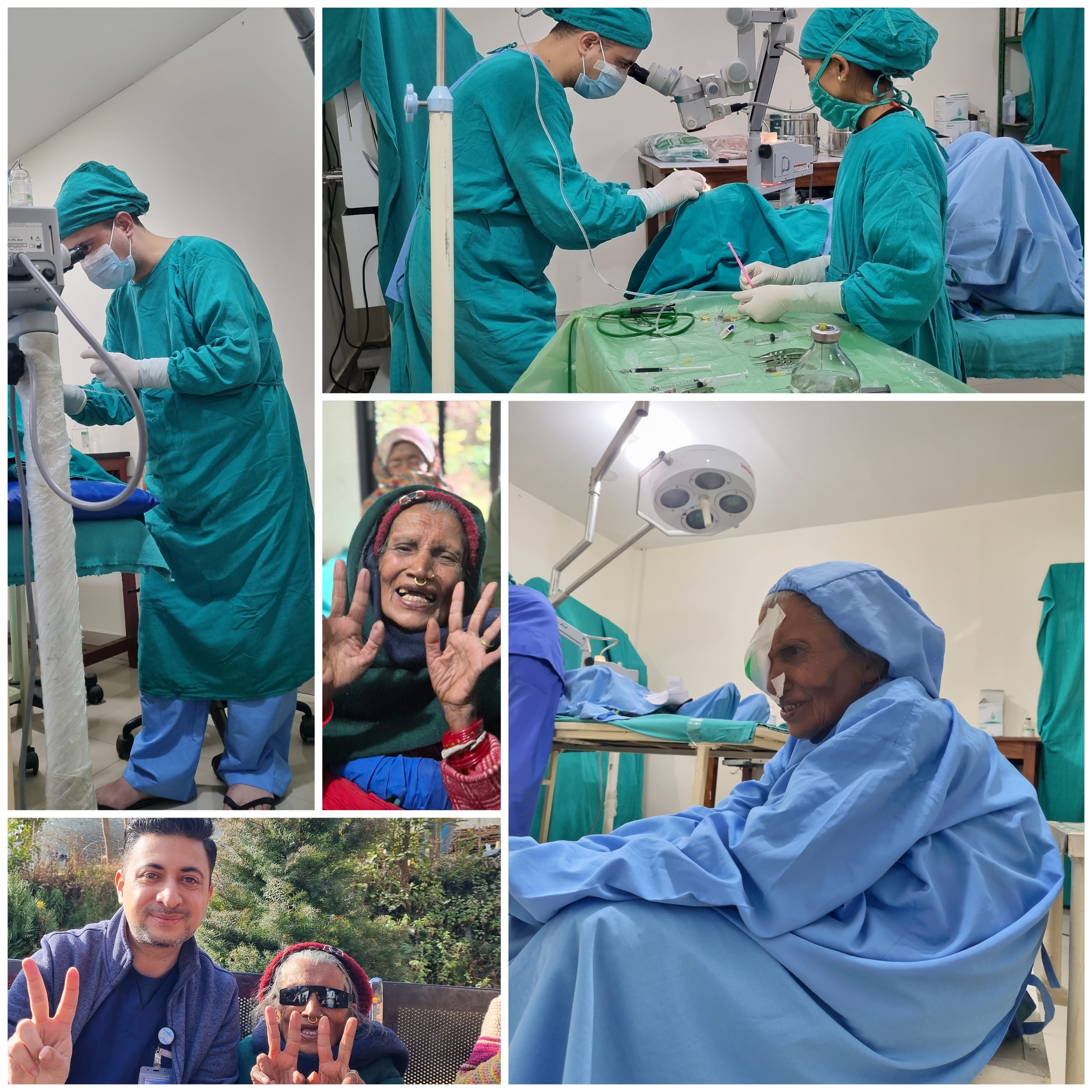
Holo, a 70-year-old farmer, is one of many people who benefited when a mobile clinic visited her Tanzanian village.

Rachel, Holo’s daughter, said Holo had started to completely lose her sight and was getting a lot of headaches, which made her day-to-day activities difficult. She had been taken to a referral hospital but her eye issues persisted. One day while Rachel was in town, she was told that skilled doctors would be coming soon as part of a mobile clinic.

Before her cataract surgery, Holo was scared and stressed about what would happen. Rachel managed to convince her the operation was necessary, and Holo agreed to go ahead. By the time she came out of surgery, Holo was happy and relaxed, and the pain she had felt was already reduced.

Holo is now a convert to the importance of good eye health and is going to tell her brother to access treatment for his eye issues. Asked how she feels about having her sight restored, Holo says simply: “It is quite joyful.”

Holo Makanisa

Organisation: Sighsavers
Location: Tanzania
Photographer: Michael Goima

Having her cataracts removed and sight restored was "quite joyful" for Holo.

Close window

Oscar Zaid, un niño de 3 años de edad originario de San Juan Bautista Cuicatlán, Oaxaca, México, fue sometido a un procedimiento quirúrgico para la corrección de Catarata Congénita. La intervención se realizó en el Hospital Conde de Valenciana, ubicado en la Ciudad de México, un centro de referencia reconocido por su alta especialización en oftalmología pediátrica y cirugías oculars complejas. La cirugía se llevó a cabo con éxito, siguiendo los protocolos médicos establecidos y empleando tecnologías avanzadas para garantizar la recuperación óptima del pequeño. La intervención fue fundamental para mejorar la visión de Oscar Zaid y prevenir posibles complicaciones asociadas con la catarata congénita, que si no se tratara en etapas tempranas, podría comprometer significativamente su desarrollo visual y su calidad de vida futura. Actualmente, se continúa con el seguimiento oftalmológico para asegurar la adecuada recuperación y la estabilidad de su visión, así como para detectar oportunamente cualquier posible complicación postoperatoria.

Oscar Zaid

Organisation: Fundacion de Asistencia Privada Conde de Valenciana 
Location: Mexico
Photographer: Juan Emmanuel Jimenez Aguilar

Oscar Zaid, un niño de 3 años de edad originario de San Juan Bautista Cuicatlán, Oaxaca, México, fue sometido a un procedimiento quirúrgico para la corrección de Catarata Congénita.

Close window

Sightsavers first met Twinde in early 2023 when he had an operation on a traumatic cataract. Now 11, his eye is fully recovered and his sight restored.  
Before his surgery, he would return from herding his family’s goats and cattle with pain in his eye, which would only go away after taking a nap. He also used to get distressed thinking about how his parents would afford his operation.  
His mother Cecilia was really worried about her son - Twinde was in a lot of pain, suffered from chronic headaches, and was unable to do simple household chores. 
Since his operation and the restoration of his sight, Twinde says he can “see properly from all angles with both eyes”. It has also made life easier in school, with teachers reporting that his performance has improved: “[before the operation] I could struggle to read words with the injured eye but now I can see and read words without difficulty”.

Twinde Tishuma

Organisation: Sightsavers
Location: Zimbabwe
Photographer: Cynthia Matonhodze

Twinde's pain has stopped and his school performance has improved after an operation on a traumatic cataract.

Close window

Bourama, 13, was born with congenital cataracts, blurring his sight. 
He struggled with schoolwork and would bump into things when he was walking.
His dad Diakaridia explained: “I noticed that he was blinking a lot. I went to the health centre and they told me he was suffering from cataracts.
“When he looks, his eyes hurt, and when he walks, he bumps into things. I know he's very concerned about his illness. His mom talks to me about it every day and asks me to look after him.”
But he found it hard to get help for his son: “I have no opportunity to raise my problem. I'm illiterate and when you don't have any connections to help me get help, it's not easy.”
Bourama’s cataracts were removed as part of an eye health programme in Mali, led by Sightsavers.
After his operation, Bourama said: “I can see clearly with both eyes. I can see everyone and that makes me happy. 
“When I'm better, we're going to play football and I'd really like to go back to school. It's going to have a big impact on my future because I'm going to be able to write well and see well.”

Bourama Sacko

Organisation: SightSavers
Location: Mali
Photographer: Harandane Dicko

"It's going to have a big impact on my future because I'm going to be able to write well and see well.”

Close window

At RHC Kot Qazi in Pakistan, where I am working as an optometrist, 14-year-old Sadaf came with her grandfather, struggling to keep up in school. Her glasses had broken months earlier, and without them, reading and studying became extremely difficult. She often experienced headaches and found it nearly impossible to follow her lessons.

Her grandfather explained that although she desperately needed glasses, the family could not afford a replacement. With her father working as a daily wage laborer, buying spectacles was far beyond their financial reach. This meant Sadaf’s education and confidence were slipping away simply because she could not see clearly.

Thanks to the support of CBM and COAVS, Sadaf was prescribed new glasses and received them free of cost at the community optical shop in Talagang. The moment she put them on, her face lit up with relief and joy. She could finally read again without struggle.

Her grandfather expressed his gratitude, saying, “Now my granddaughter can study without any problem.” Sadaf’s story reflects how something as simple as a pair of spectacles can transform a child’s future, restoring not only vision but also hope, confidence, and the chance to achieve her dreams.

Sadaf

Location: Pakistan

Sadaf’s new glasses gave her back the ability to read, study, and dream. Her story shows how free, accessible eye care can transform a child’s future, turning blurred vision into bright opportunities.

Close window

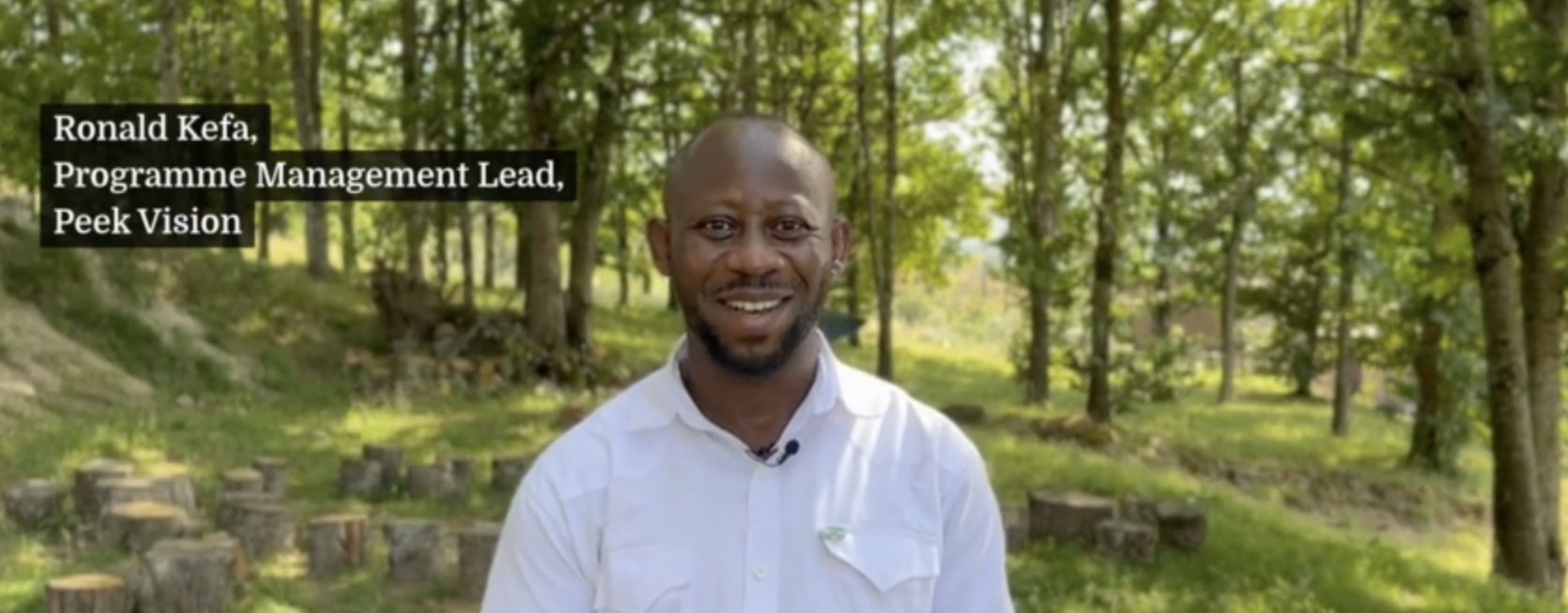
I am Engr. Mehran Memon, serving as Assistant Director of Information Technology at the Sindh Institute of Ophthalmology and Visual Sciences (SIOVS), Hyderabad, since 2017. With degrees in Software Engineering (B.E. 2012, M.E. 2015) from Mehran University of Engineering & Technology, Jamshoro Pakistan, I have dedicated my career to integrating technology with healthcare to strengthen systems and expand access to quality eye care.

At SIOVS, I lead digital transformation initiatives, act as IT Lead & Master Trainer for Peek Vision (CBM-supported), and serve as Focal Person for Safeguarding. My work includes implementing digital school screening, driver vision assessments, and community-based eye health programs initiatives that have reached thousands of individuals, enabling early detection, timely treatment, and prevention of avoidable blindness. These efforts demonstrate how thoughtfully applied technology can reduce inequalities and build sustainable eye health systems.

In recognition of these contributions, I was honored as one of the IAPB Young Systems Leader Award Winners 2025 and awarded the Karen Sparrow Scholarship 2025, reflecting my commitment to ethical, data-driven, and people-centered approaches in eye health.

Merhan Memon

Location: Pakistan

As an IT leader in eye health, I have seen how technology and data transform lives — from children learning in classrooms to drivers regaining independence. My journey is a reminder that protecting vision safeguards dignity, opportunity, and the future. That’s why we must all #LoveYourEyes.

Close window

Bezabeh Andarge, a 19-year-old from Dita woreda, near Arba Minch, faced a double challenge: blindness in both eyes and a hearing impairment. Without resources for treatment, Bezabeh's world grew increasingly isolated.
Despite his hearing difficulties, Bezabeh had been a promising student, reaching the 6th grade. Tragically, the loss of his eyesight forced him to abandon his education, extinguishing his hopes for the future
Asefa Andarge, Bezabeh's niece and a traditional cloth worker, became his dedicated caregiver. Limited by their financial circumstances, Asefa couldn't afford to seek medical help for Bezabeh's eyes or ears.
 he brought him to the CBP outreach event.
 Bezabeh underwent successful eye surgery and regained his vision. Asefa watched with tears in his eyes as his Nephew was finally able to see.
"We can’t afford his treatments tank you all of you for doing this," exclaimed. Now at least he can start his school and have a chance at a real life.
Overjoyed by the transformation, Asefa asked if CBP could also help Bezabeh with his hearing impairment. With CBP's assistance, they connected with doctors who could evaluate Bezabeh's hearing and explore potential treatment options.

Fekadu Merga

Location: Ethiopia

Double challenge: blindness in both eyes and a hearing impairment. Without resources for treatment.

Close window

La Fundación Visión no espera a que la gente llegue; sale a su encuentro. Su clínica móvil recorre los lugares más alejados del Paraguay para llevar esperanza en forma de salud ocular. Realiza tamizajes, pero sobre todo, escucha. Mira a los ojos a las personas, detecta no solo patologías, sino también historias de necesidad.

Esta foto captura uno de esos encuentros en el árido Chaco Paraguayo, donde el acceso a salud es una lucha diaria. Aquí, la Fundación convierte el aislamiento en una oportunidad. Cada derivación que realizan es un hilo que teje una red de cuidado, asegurando que nadie se quede atrás.

Cada parada de la clínica es más que una consulta: es la promesa de un mañana donde un niño podrá ver el pizarrón, un abuelo reconocerá el rostro de su nieto y un adulto podrá seguir trabajando. No solo previenen la ceguera; devuelven la posibilidad de soñar. Porque el derecho a ver, es, también, el derecho a vivir con dignidad. Juntos, estamos abriendo caminos de luz.

Fundación Visión

Organisation: Fundación Visión
Location: Paraguay
Photographer: Maira Bogarín

La Fundación Visión lleva esperanza y salud ocular a los rincones más remotos. Su trabajo devuelve la visión, pero sobre todo, devuelve la independencia, la alegría y la posibilidad de un futuro lleno de oportunidades a quienes más lo necesitan.

Close window

Víctorino Tomás, apegado a su casa y rutina, vio cómo su visión se volvió borrosa durante seis meses, hasta dejar de reconocer a la gente. Aunque aceptó una consulta, al principio se negó a operarse por miedo a quedarse ciego.

Gracias a la explicación clara del equipo de Fundación Visión y al apoyo insistente de su familia, finalmente aceptó la cirugía. El día de la operación, se mostró tranquilo y decidido.

Tras la intervención, su reacción al retirar el parche fue inmediata: “veo todo ahora”. Pudo identificar personas, reconocer caras y leer.  La recuperación le devolvió la seguridad y el deseo de retomar sus actividades y su trabajo.

Agradeció profundamente al equipo que lo acompañó: “mediante ustedes volví a ver”. Su caso subraya la importancia de apoyar y convencer a quienes necesitan cirugía para que puedan volver a su vida cotidiana.

Víctorino Ayala

Organisation: Fundación Visión
Location: Paraguay
Photographer: Marcos Mena

Gracias al apoyo compasivo y una cirugía experta, Víctorino superó su miedo a la ceguera. Recuperó la vista, lo que le llenó de alegría y le devolvió su independencia. Su historia subraya el poder transformador de la salud visual.

Close window

When José put on his new glasses, it was like his world came into "focus" for the very first time. As a truck driver, he had been navigating his livelihood with blurry vision, a constant struggle that went unseen. But in that moment, when we handed him a pair of glasses, everything changed. He eagerly read the vision chart from top to bottom, his face lighting up as he tackled the fine print he'd never been able to see.

"Que linda de leer"—"How beautiful to read," he exclaimed, his voice filled with pure joy. Then, with tears rapidly welling in his eyes, he whispered, "Puedo veer todo"—"I can see everything." As his tears fell, so did mine. It was a shared moment of overwhelming gratitude and a moment I'll never forget.

Jose

Location: Guatemala 

Handing José a pair of glasses wasn't just about restoring his sight; it was about witnessing a profound moment of human connection. As his tears fell in gratitude, I couldn't help but cry with him, sharing in the overwhelming joy of seeing the world in focus for the first time.

Close window

Shariat Begum, 47, is a tailor in Chandpur Municipality, Bangladesh. Her income from stitching school uniforms, saris, and salwar kameez sets is her household’s only steady cash flow. In 2023, her near vision began to blur- threading needles, reading order slips, and marking fabric lines became difficult. Mistakes increased, orders slowed, and earnings dropped.

Unable to afford a private clinic, Shariat continued working, straining her eyes and hoping the problem would be resolved. Then she learned about a free eye-screening and reading-glass distribution camp hosted by SAJIDA Foundation’s Urban Poverty Alleviation Programme, SUDIN, with support from RestoringVision.

At the camp, she was diagnosed with presbyopia, the age-related loss of near vision. She received a pair of reading glasses on the spot, at no cost.

The results were immediate. “Before the eye camp, I struggled to see the needle and my work slowed down; now the stitches are straight, orders are back, and I can cover rent without borrowing,” she said.

With her vision restored, Shariat returned to full productivity, regained client trust, and stabilized her income. Her story shows how a simple pair of reading glasses can empower workers in informal sectors to sustain their livelihoods.

Shariat

Organisation: RestoringVision
Location: Bangladesh
Photographer: Courtesy of SAJIDA Foundation

After struggling to see clearly due to presbyopia, Shariat, a tailor, received free reading glasses at an eye camp hosted by SAJIDA Foundation. The eyeglasses restored her precision, boosted her productivity, and stabilised her income—proving how simple vision care can have a powerful impact on livelihoods.

Close window

A few months old, my family noticed something was wrong: around five months, I didn’t see like others and bumped furniture. Specialists diagnosed my right eye blind; my left eye had limited vision.

In 2006, at age four, glaucoma forced emergency surgery; my sight weakened, but remained. In 2013, my right retina detached; having no sight it went unnoticed until pain forced removal and replacement with an artificial eye. In 2021–22, darkness fell on my left eye; doctors warned that rising pressure could cost my remaining sight. I began medication, and my vision stabilised and remains stable.

Growing up with low vision was hard—daily tasks and travel often needed help—so I adapted to stay independent: I ordered online and learned to manage. Stories of blind achievers inspired me. My mother was my biggest strength; my brothers and wife supported me always. Friends like Yousaf Saleem and mentor Azam Meghani from GIVE 4 NEEDY encouraged me.

My right eye is artificial, and my left eye has very limited sight. I provide video editing, web development and AI calling-agent services using a screen reader. I’m growing professionally and eager to connect. This is my story of vision loss, resilience, adaptation, and determination to keep moving forward

Muhammad Hassan Rasheed

Location: Pakistan

Born with severe vision loss, I lost my right eye, fought glaucoma in my left, adapted with tech and determination, and built a life and career in video editing, web development, and AI calling agents, supported by family and mentors — a story of resilience, independence, and forward momentum.

Close window

Paraguay, known as the heart of South America, is home to about 6,417,076 inhabitants. Despite progress, not everyone can access health services when needed. In eye health, the gap is striking: an estimated 20,000 people in the country are blind due to cataracts, a condition that could be prevented or treated. In this context, Aleydis Vera, Head of Community Health at Fundación Visión, leads a mobile clinic that travels to the most remote areas of Paraguay. Together with her team, she brings ophthalmological consultations, screenings, and referrals, so people do not have to travel to the capital. From Asunción, she coordinates operations aimed at detecting cataract blindness in rural and vulnerable populations, organizing surgical days within the communities themselves, and ensuring that treatment is not hindered by economic or geographic barriers.

These initiatives are possible thanks to collaboration with local, national, and international partners, who support surgical campaigns and sustained logistics with a focus on equity. For over 18 years, Aleydis has dedicated her life to providing visual health to underserved communities.

Aleydis Vera

Organisation: Fundación Vision
Location: Paraguay
Photographer: Marcos Mena

Each patient who regains sight is a source of joy and a reminder of her mission: restoring dignity, hope, and opportunity through vision.

Close window

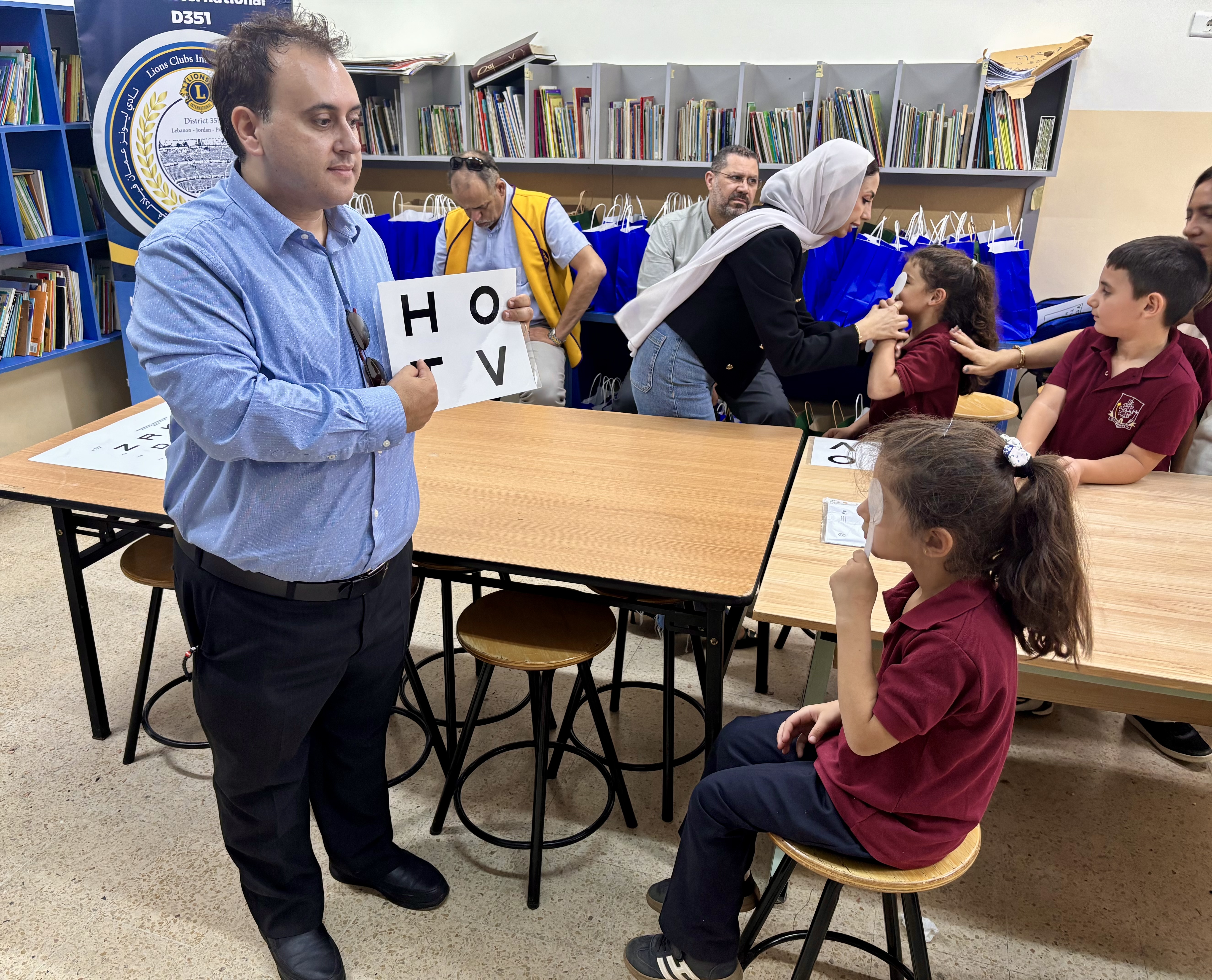
Melakamu Yitayew, 28, is an optometrist working at Arba Minch Hospital Secondary Eye Care Unit in Southern Ethiopia. He plays a vital role in the Child Eye Health programme, training teachers to screen thousands of students for vision problems. 

“For example, Sikela Primary School has nearly 4,000 students, and all of them are screened by trained teachers,” he explains. 

“Then we come here to rescreen the short-listed students and make an appropriate vision diagnosis.”

If needed, students are referred to the hospital. Those with uncorrected refractive error receive free prescription eyeglasses. Others are treated with medications for infections like conjunctivitis.

Melakamu was trained through a Light for the World programme and is proud of the difference this work makes.

The most rewarding part of my job is seeing the smiles on those children's faces after they have received their eyeglasses, he says.

“Hearing how a simple provision of eyeglasses has impacted a child's life and educational performance is what motivates me to keep doing what I am doing.

Melakamu

Organisation: Light For The World
Location: Austria
Photographer: E.Fullerton

"The most rewarding part of my job is seeing the smiles on those children's faces after they have received their eyeglasses,” says Melakamu Yitayew, an optometrist in Ethiopia. “It is what motivates me to keep doing what I am doing.”

Close window

As a graphic designer, 27-year-old Michael Ankomanyi creates visual elements to delight the senses. Losing his sight meant not only losing his livelihood but also his identity as an artist. “The eye is the window to the body. It sees everything and transmits information to the brain. If you can’t see, then you are lacking.” Michael needed help. “I have experienced very dark moments; I lost all hope. For days, I would sit in my room and cry. I never imagined regaining my sight again.” He learned of a Cure Blindness Project outreach that provided free sight-restoring cataract surgeries. The NGO has an extensive network of partners in Ghana. Michael knew he had to go. “I was initially scared of the surgical procedure, but I needed to conquer my fears or live in darkness forever. As a young man, the thoughts of being unable to make a living and move about by myself were even scarier.” Again able to see, Michael is able to create. “I want to thank Cure Blindness Project for providing these life-changing interventions. For me, hope is restored!”

Michael

Organisation: Cure Blindness Project
Location: United States

“The eye is the window to the body. It sees everything and transmits information to the brain. If you can’t see, then you are lacking.”

Close window

Christine Wamboi is 13 years old and growing up in Korogocho, one of Nairobi’s most densely populated informal settlements. Like many children here, she navigates crowded streets, busy schools, and uncertain futures. But Christine does so with only one working eye.

She lives with amblyopia, a condition that leaves her right eye nearly blind - something no pair of glasses can fix. Still, she came to GoodVision’s eye camp at the Aiyera Center in 2022, hoping for a way forward.

And there was one.

With a simple pair of GoodVision glasses, Christine’s left eye - her stronger eye - was sharpened to 80% clarity. It wasn’t a cure. But it was access. It was empowerment.

When she left the camp, hand in hand with her mother, she didn’t just leave with glasses. She left with a clearer path to participate in school, to read, to learn, to lead.

In places like Korogocho, perfect solutions are rare. But partial vision can still lead to full futures - when paired with support, opportunity, and a belief that every child deserves a chance to see what matters.

In the heart of Korogocho in Kenya, a young girl’s vision is limited - but her potential no longer has to be.

Christine

Organisation: GoodVision
Location: Germany
Photographer: Antje Christ

In the heart of Korogocho in Kenya, a young girl’s vision is limited - but her potential no longer has to be.

Close window

There's no mistaking it: The glasses bring double the joy - for mother and daughter!

6-year-old Adison Marianna Lezardas comes to the eye camp because she has difficulty reading from the blackboard at school. And that's right: during the eye test, the team from GoodVision found that both of her eyes were short-sighted and the first grader needed glasses. It is a huge help to her mother that the NGO provides glasses for children worldwide free of charge, as she would never have been able to afford glasses from an optician. Adison is also thrilled with her first pair of glasses and doesn't want to take them off, not even when playing soccer with her brother. And now at school, Adison can read everything from the blackboard without any difficulties.

Adison Marianna

Organisation: GoodVision
Location: Germany
Photographer: Antje Christ

At a GoodVision eye camp in Bolivia, 6-year-old Adison receives her first glasses - bringing joy to both her and her mother, who couldn’t afford vision care on her own.

Close window

Panchmay Damai walked a long way to get to our eye camp. The 70-year-old knew that she needed glasses and waited patiently until the evening for her eye test. She also brought some money with her, as an advertising poster had already indicated in advance that the glasses cost something. An important point, because just getting money from home is not an option at these distances. The fact that the pilot camps worked so well in this respect is also thanks to the active support of the Nepalese staff.

Panchmay

Organisation: GoodVision
Location: Germany
Photographer: Antje Christ

Panchmay Damai traveled a long way and patiently waited for an eye test at a GoodVision camp, grateful for affordable glasses thanks to local support in remote Nepal.

Close window

Every morning, Stephen Jackson sets off for work in Chingalu, Malawi, propelling himself forward on his handcycle. As a tinsmith, precision is everything - sharp lines, steady hands, and most critically, clear sight.

But in recent years, that last piece had begun to fade. Fine details blurred. Edges lost their crispness. The work he once did with ease became difficult and dangerous.

When Stephen heard that GoodVision was offering eye exams in his village, he didn’t hesitate. He made his way to the camp, hoping for a solution. 

He left with GoodVision Glasses and got straight back to work.

Stephen never stopped showing up. He just needed the clarity to keep doing what he does best.

Because when you restore vision, you’re not just helping someone see—you’re helping them stay in motion, stay employed, and stay proud of what they build.


Stephen

Organisation: GoodVision
Location: Germany
Photographer: Antje Christ

A tinsmith in rural Malawi regains the vision he needs to continue crafting a living, one careful cut at a time.

Stay in touch

Receive all the latest news, webinars, updates, events and more right to your inbox. 

Join our Mailing List